
Toyota Trucking Equipment For Sale
Browse Toyota trucking equipment including durable forklift models known for reliable LP power, strong lift capacity, and warehouse-ready handling.
Learn moreBrowse Toyota Trucking Equipment by Category
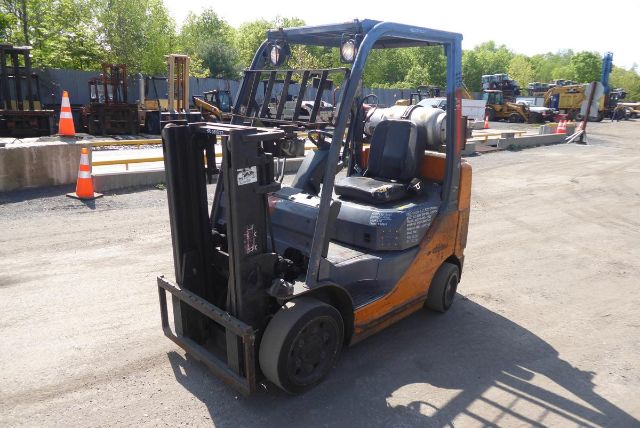
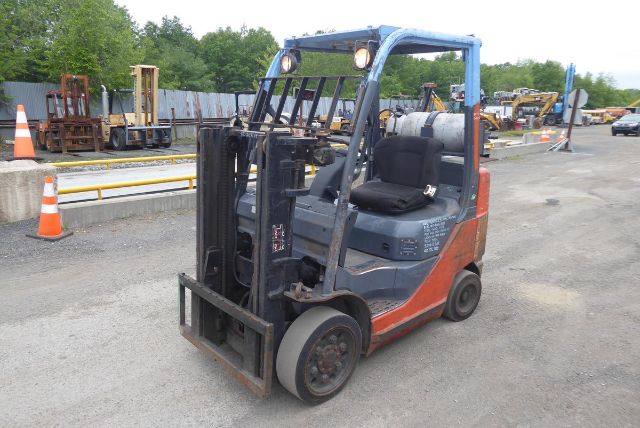
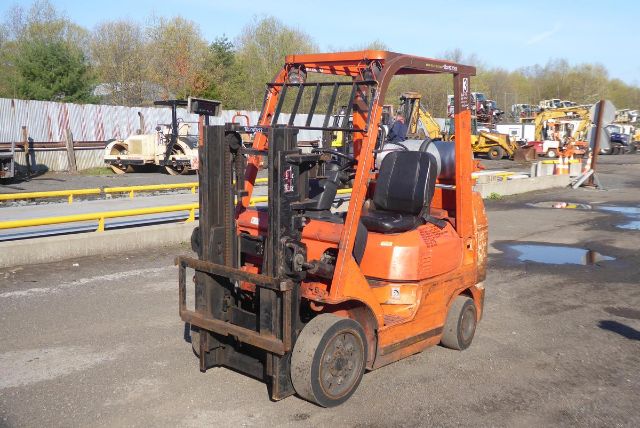
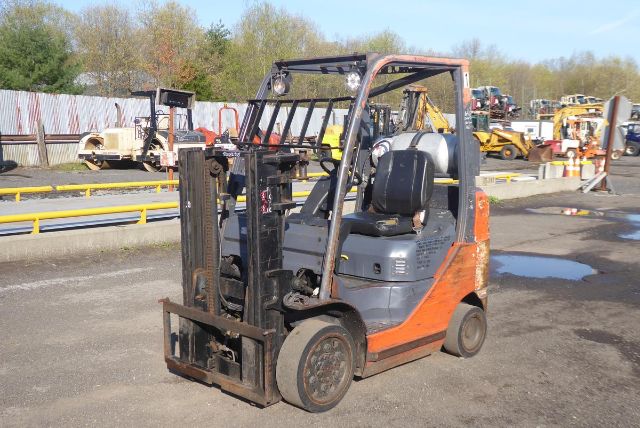
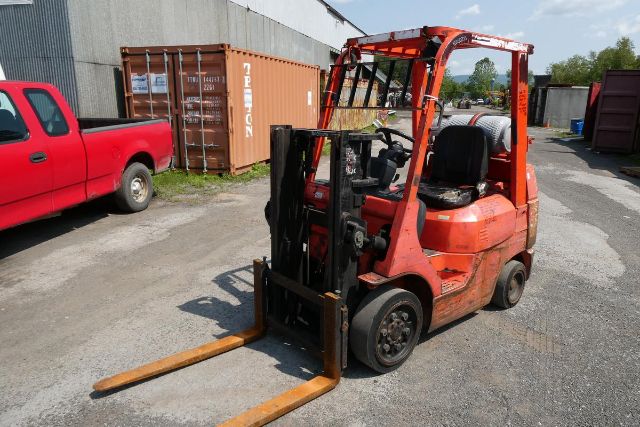
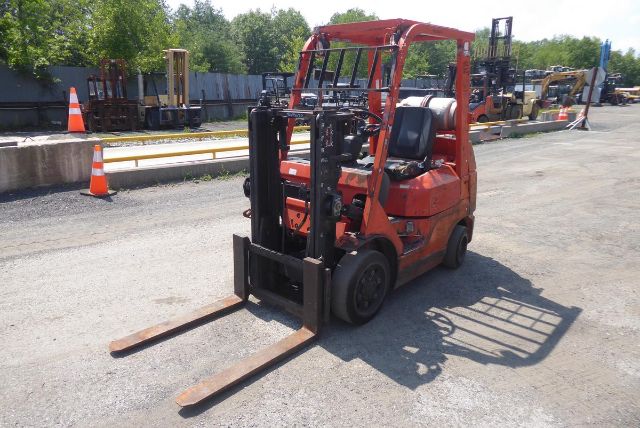
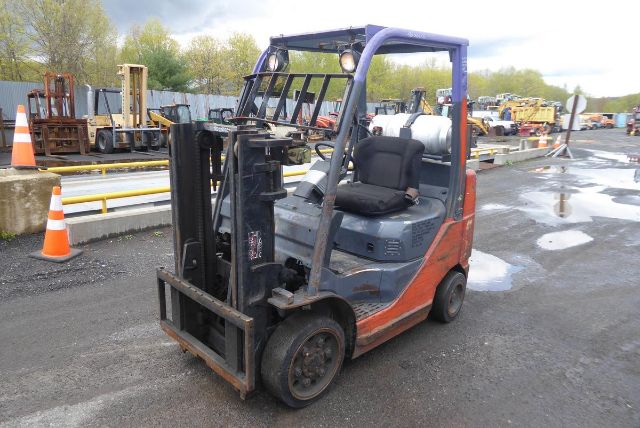
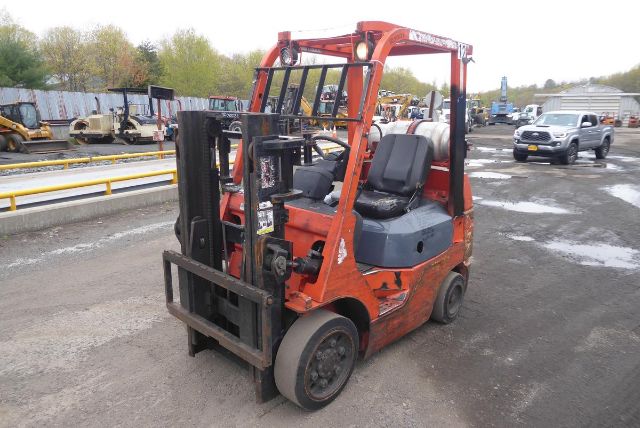
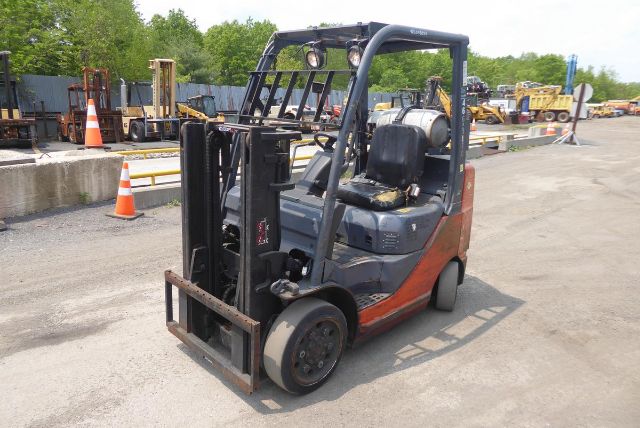
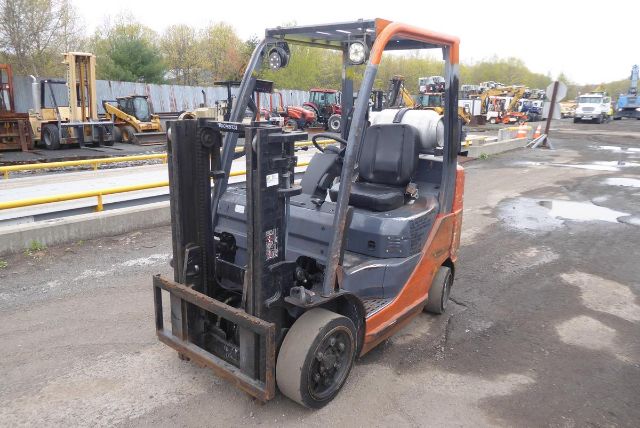
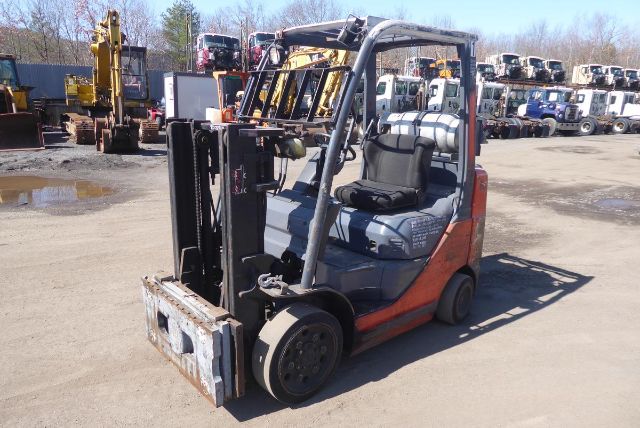
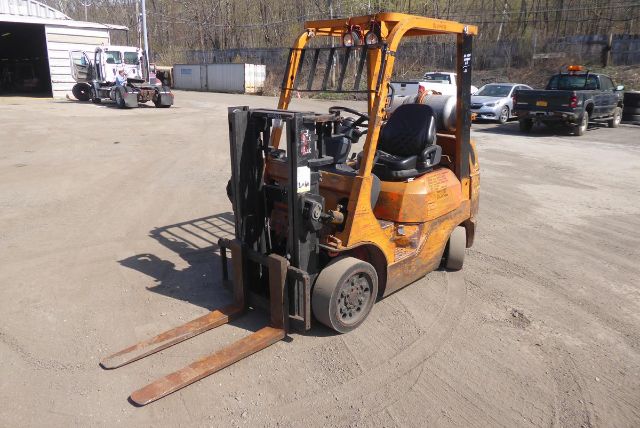
Showing 13 to 24 of 33 results
Have toyota trucking equipment to sell? List it here to reach thousands of buyers.
About Toyota Trucking Equipment
A buyer should pay close attention to lift capacity, mast configuration, overall lowered height, and attachment setup before comparing hours alone. Common Toyota models in this class fall in the 4,000 to 6,000 lb range, with popular capacities around 4,350 to 5,000 lbs. Dual mast units can be a practical fit for standard dock and warehouse stacking, while triple mast configurations are better when you need higher lift heights without giving up the ability to clear low doors. Side shift is one of the most valuable options in this category because it speeds pallet placement and reduces repositioning. A 4th valve can also add flexibility if carton clamps or other hydraulic attachments are part of the job.
Powertrain and operating environment are just as important as capacity. Many Toyota forklifts use the durable 4Y-series 4-cylinder propane engine or earlier mechanical LP systems, paired with automatic or Monotrol-style directional controls. Propane forklifts are popular because they refuel quickly, run clean enough for many indoor applications, and avoid battery charging downtime associated with electric units. Cushion-tire Toyota forklifts are compact and maneuverable, but buyers should confirm floor conditions, ramp use, and loading dock transitions because solid cushion tires are designed for smoother surfaces. On a used unit, mast rail wear, tilt cylinder seepage, chain condition, steer axle play, transmission response, brake feel, and cold-start behavior will usually tell you more than cosmetics.
Physical dimensions also matter more than many buyers expect. Overall width is often in the mid-3-foot range, and lowered mast height can determine whether the truck will fit under door openings, into trailers, or through older warehouse sections. Fork length, carriage class, and the presence or absence of forks should always be verified, especially on units that may have been used with special attachments or scales. If the application is trailer unloading, indoor pallet movement, and general warehouse stacking, a Toyota forklift with the right mast, side shift, and verified lift height can be a very efficient long-term fit.
Frequently Asked Questions
What are Toyota forklifts commonly used for in trucking and warehouse operations?
Toyota forklifts are commonly used for loading and unloading trailers, moving palletized freight across docks, staging product in warehouses, and supporting light industrial handling tasks. Cushion-tire LP models are especially common in distribution centers and freight terminals because they are compact, maneuverable, and well-suited for smooth concrete surfaces. Their size and turning radius make them effective around dock doors, racks, and tight aisles.
What lift capacity should I look for in a used Toyota forklift?
The right lift capacity depends on the actual load weight, load center, attachment weight, and required lift height. Many Toyota units in this class are rated around 4,000 to 5,000 lbs, which covers a wide range of pallet and dock work. Buyers should remember that attachments such as side shifts, clamps, or scales can reduce effective capacity, and higher lift heights may also affect real-world performance. The data plate should always match the mast and attachment configuration currently installed.
Is a dual mast or triple mast better on a Toyota forklift?
A dual mast is often a good choice for straightforward dock and warehouse work where lift height requirements are modest and simplicity is preferred. A triple mast is better when you need higher reach but still need the forklift to travel through lower door openings with the mast lowered. The tradeoff is that a triple mast has more moving components, so buyers should inspect chains, rollers, hoses, and cylinder condition carefully on used equipment.
Why are propane Toyota forklifts so common?
Propane Toyota forklifts are common because they offer fast refueling, steady runtime, and reliable operation in multi-shift environments. They are a practical middle ground between diesel and electric equipment for many indoor and dock applications. LP fuel systems also avoid battery charging infrastructure and long recharge cycles, which can be an advantage in fleets that need continuous uptime. Buyers should still inspect the fuel system, regulator condition, and engine starting behavior under load.
What should I inspect first on a used Toyota forklift?
Start with the mast, carriage, forks, chains, and hydraulic cylinders because those components directly affect safety and lifting performance. Then check hour meter credibility, transmission engagement, steer axle looseness, brake response, tire wear, and engine condition. On Toyota LP forklifts, pay attention to cold starts, idle quality, and hydraulic responsiveness when lifting and tilting under load. Also verify lowered mast height, maximum lift height, and attachment plumbing so the forklift matches the intended building and trailer environment.