
Terex Trucking Equipment For Sale
Browse Terex trucking equipment listings, including specialty support, material handling, and jobsite units built for demanding commercial use.
Learn moreBrowse Terex Trucking Equipment by Category
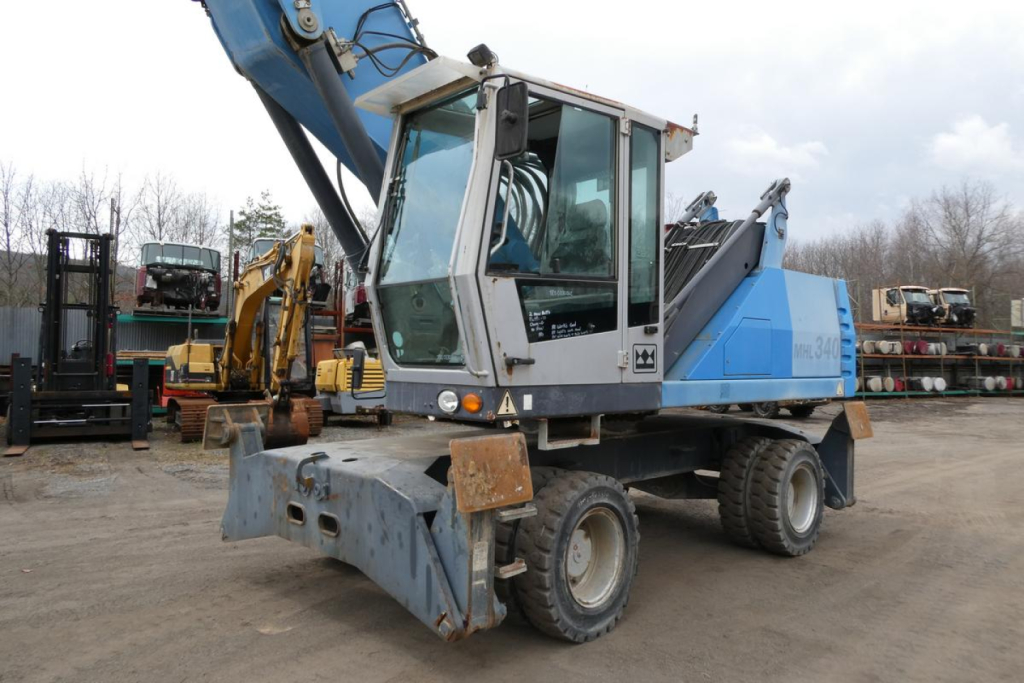
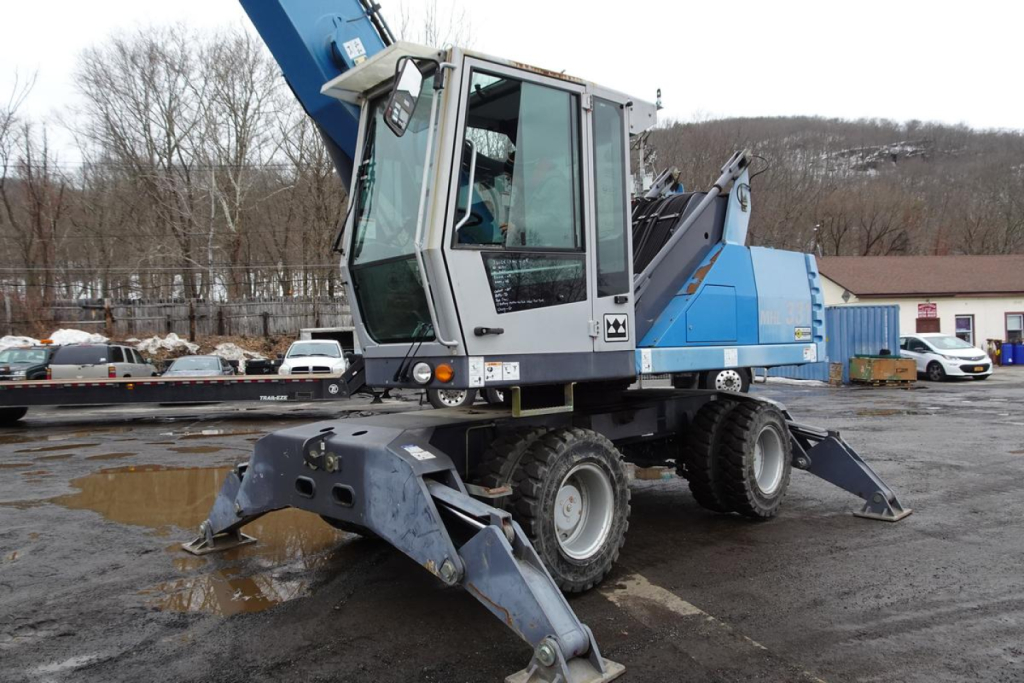
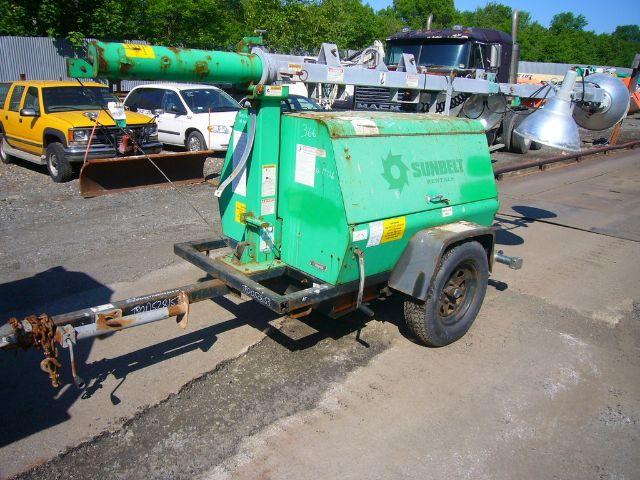
Have terex trucking equipment to sell? List it here to reach thousands of buyers.
About Terex Trucking Equipment
A lot of Terex equipment on the market falls into vocational and support roles. That can include light towers, mobile generators, material handlers, digger derricks, bucket and utility bodies, cranes, and other specialized machines that may be truck-mounted, trailer-mounted, or self-propelled. On compact support equipment, key details usually include engine make, generator output, outlet configuration, running hours, tire size, towability, and overall dimensions. On larger Terex material handling or industrial machines, buyers usually focus on engine horsepower, hydraulic condition, boom and stick length, reach, cab configuration, undercarriage or tire setup, outriggers, auxiliary circuits, and any attachments or magnet-ready electrical systems. In this class, small differences in specs can change productivity and transport cost in a big way.
Condition matters more than age with used Terex equipment. Hour meter readings, cylinder leakage, pin and bushing wear, slew bearing condition, wiring integrity, and cold-start behavior all deserve close attention. For truck-mounted or towable Terex units, inspect axle ratings, brakes, lighting, coupler condition, structural cracking, and signs of corrosion around outriggers or frame stress points. If the equipment is powered by a Kubota, Deutz, Cummins, or another common industrial engine, parts support is usually easier to plan, but buyers should still confirm the exact engine family, emissions tier, and local service access. Electrical features such as onboard generators, 120V or 240V service, control panels, remote functions, and safety interlocks should also be tested, especially on utility and jobsite support units.
Transport and compliance are major buying factors in this category. Some Terex machines move easily behind a pickup or medium-duty truck, while others require a lowboy, oversize planning, or dedicated fleet support. Overall width, shipping height, operating weight, and retracted length directly affect hauling cost and dispatch flexibility. For buyers using this equipment in municipal, utility, scrap, demolition, or contractor fleets, it also makes sense to evaluate operator visibility, cab ergonomics, backup camera systems, hydraulic responsiveness, and ease of daily service. Terex equipment has long been selected for demanding vocational work, so the right purchase usually comes down to matching the machine's operating range and support features to the exact job cycle it will see.
Frequently Asked Questions
What types of trucking equipment are commonly sold under the Terex brand?
Terex is commonly associated with specialized vocational and industrial equipment rather than standard highway tractors or dry vans. Listings may include utility and support equipment such as light towers, mobile generators, boom-equipped units, material handlers, recycling machines, cranes, and other purpose-built machines used in construction, utility, demolition, and industrial applications. The exact category can vary widely, so buyers should review the operating function, transport method, and worksite role before comparing units.
What should I check first when buying used Terex equipment?
Start with the machine's intended application, hour reading, and overall hydraulic and structural condition. On most Terex equipment, buyers should inspect cylinders for leaks, pins and bushings for play, boom or stick wear, engine starting and running quality, electrical functions, tire or undercarriage condition, and any signs of frame stress or welding repairs. If the unit includes a generator, outriggers, adjustable cab, or other specialty systems, those features should be operated and tested under load if possible.
Are Terex machines expensive to transport?
They can be, depending on configuration. Smaller towable Terex support equipment is usually straightforward to move, but larger material handlers, cranes, and heavy industrial units can trigger higher freight costs because of width, height, weight, or overall length. Buyers should verify shipping dimensions, operating weight, axle or trailer requirements, and whether the machine can travel as a legal load in their region before purchase.
Do Terex units generally have good engine and parts support?
Many Terex machines use well-known industrial engines and components from manufacturers such as Kubota or Deutz, which can help with serviceability and parts planning. That said, support depends on the exact model, serial number, age, and whether the machine uses Terex-specific hydraulic, electrical, or structural parts. It is smart to confirm engine model, emissions tier, control components, and local dealer or aftermarket support before committing to a used unit.
How do I compare one Terex listing to another if they are very different machines?
Compare them by job function first, then by productivity specs and ownership cost. Reach, lifting or handling capability, generator output, hydraulic performance, transport dimensions, operating weight, hours, and attachment compatibility are usually more important than model year alone. In this equipment class, the best value is rarely the cheapest unit. It is the machine that fits the work cycle, can be transported efficiently, and can be serviced without long downtime.