
Teledyne Trucking Equipment For Sale
Browse Teledyne trucking equipment with practical insight on common specs, applications, capacity, and buying points for older specialty units.
Learn moreBrowse Teledyne Trucking Equipment by Category
Have teledyne trucking equipment to sell? List it here to reach thousands of buyers.
About Teledyne Trucking Equipment
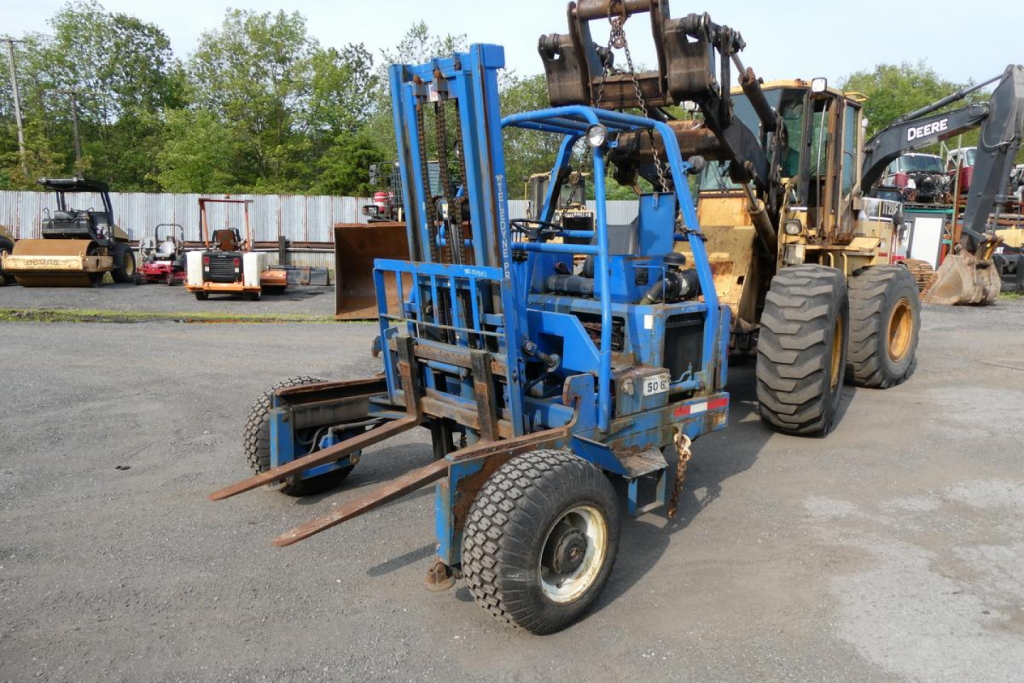
A common spec point on Teledyne lift equipment is rated capacity in the 5,000 lb range, which is suitable for palletized freight, bundled materials, machinery components, and general yard handling. Diesel-powered units with hydrostatic drive are typical for controlled low-speed maneuvering and repeated stop-and-go work. Tire size, mast or fork dimensions, machine weight, and overall width are important if the unit will be used inside trailers, around docks, or in tight industrial spaces. Buyers should also pay attention to loading height, ROPS configuration, and whether the machine is set up for indoor, outdoor, or mixed-use operation.
With older Teledyne equipment, the real buying decision usually comes down to mechanical condition, parts interchange, and how much reconditioning is justified. Engine family matters because some units use widely known industrial diesel platforms that can simplify repair planning. A non-running machine may still have value if the core turns freely, the hydrostatic system is intact, and the mast, carriage, forks, and frame are structurally sound. Check for hydraulic leaks, steering response, brake function, tire wear, fork heel wear, mast chain condition, and evidence of frame or upright damage. If the unit will be used in a commercial freight environment, confirm that lift ratings, operator visibility, and site safety requirements still fit current operations.
Teledyne equipment can make sense for buyers who need durable industrial handling capability and are comfortable evaluating older machinery on its fundamentals. Also search under terms like Teledyne forklift, industrial lift truck, or yard material handling equipment, since listings are sometimes categorized broadly. The best comparison points are not just year and model, but usable capacity, attachment setup, machine height, powertrain condition, and the availability of replacement components. For many buyers, a well-matched older Teledyne unit is less about cosmetics and more about stable hydraulics, predictable operation, and a realistic path to keeping the machine working.
Frequently Asked Questions
What should I look at first when buying used Teledyne trucking equipment?
Start with the machine’s exact application and operating condition. On older Teledyne equipment, the most important factors are rated capacity, engine condition, hydraulic performance, steering and brake function, and the structural condition of the frame, mast, carriage, and forks. A clean-looking machine with weak hydraulics or limited parts support can be a worse buy than a rougher unit with a solid powertrain and serviceable components.
Are Teledyne forklifts and lift units still practical to buy on the used market?
They can be practical if the unit matches the job and can be maintained economically. Many older industrial machines remain useful for yard, dock, warehouse, or plant work if their core systems are sound. Buyers should confirm parts availability for the engine, hydraulic components, tires, and wear items before purchase, because long-term downtime often costs more than the initial purchase price.
How important is lift capacity on a Teledyne unit?
Lift capacity is one of the most important buying criteria because it determines what the machine can safely and legally handle. A 5,000 lb class machine is common for general freight and pallet work, but actual usable capacity can change with load center, fork length, attachment type, and lift height. Always verify the data plate and compare it with the loads the machine will see in daily service.
What are common issues to inspect on older Teledyne material handling equipment?
Common inspection points include hard starting, smoke, fluid leaks, hydrostatic drive response, mast wear, chain condition, fork damage, tire condition, and brake performance. Also inspect for worn pins and bushings, cracked welds, bent carriage components, and corrosion in structural areas. If the machine does not run, its value depends heavily on whether the engine is rebuildable, the hydraulic system is complete, and the major structural components remain straight and usable.