
Teledyne Lifts - Fork For Sale
Browse Teledyne fork lifts for trucking applications, including rough-terrain units with diesel power, hydrostatic drive, and 5,000-lb capacity.
Learn more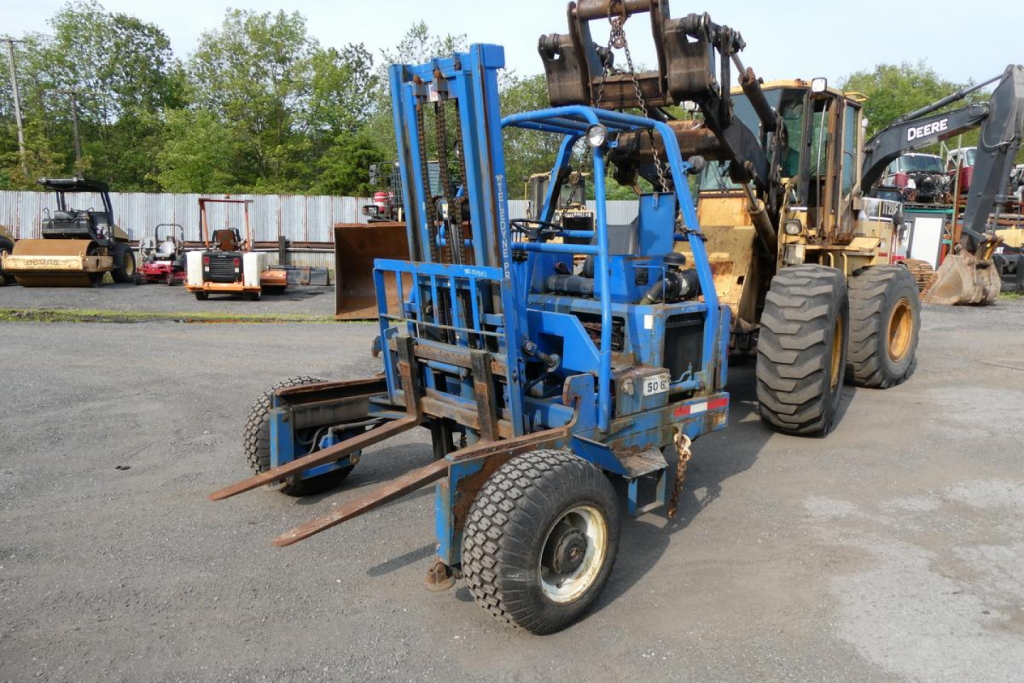
Have teledyne lifts - fork trucking equipment to sell? List it here to reach thousands of buyers.
About Teledyne Lifts - Fork
A common decision point in this category is capacity versus footprint. A 5,000-lb class fork lift is a popular range because it can handle many palletized loads without the size and transport demands of a larger machine. Buyers should compare fork length and thickness, carriage condition, mast wear, steering response, and hydraulic performance under load. On older Teledyne units, diesel power and hydrostatic transmissions are notable because they offer straightforward low-speed control for precise fork placement. Tire type and condition also matter. Larger pneumatic or flotation-style tires can improve performance on gravel, dirt, and uneven lots, while the machine's overall width and loading height determine how easily it works around trailers, storage areas, and jobsite access points.
Condition is especially important with used Teledyne fork lifts because many of these machines are valued for rugged construction and serviceability rather than modern electronics. Buyers should inspect the mast channels, lift chains, tilt cylinders, hydraulic hoses, pins and bushings, cooling system, and brake function. Engine parts support, especially for units equipped with common industrial diesel engines such as Kubota, can be an advantage when planning repairs. It is also smart to verify hour meter accuracy on older machines, check for frame or ROPS damage, and confirm that the rated capacity plate is present and legible. If the lift will be used around flatbeds, box trailers, or confined unloading zones, pay close attention to turning radius, mast collapsed height, and fork dimensions.
For trucking-related material handling, Teledyne fork lifts can be a practical fit when the priority is dependable lifting power and a simple, mechanical design. They are often considered by buyers who want an older industrial fork truck that can still work in outdoor conditions and handle heavier pallets with confidence. Also known simply as a fork truck or forklift, this equipment category should be matched to the load center, surface conditions, trailer deck height, and duty cycle of the operation. A careful review of lift capacity, hydrostatic drive function, hydraulic integrity, and structural wear will tell you more than paint or cosmetics ever will.
Frequently Asked Questions
What should I check first on a used Teledyne fork lift?
Start with the machine's rated capacity, mast condition, hydraulic operation, and powertrain function. On an older Teledyne fork truck, inspect lift chains, mast rollers, tilt and lift cylinders, hose condition, steering response, brakes, and tire wear. If the unit is diesel-powered, evaluate cold start behavior, exhaust smoke, cooling system condition, and signs of fuel or oil leaks. Structural checks matter too, especially around the overhead guard or ROPS, frame, fork heels, and carriage.
Is a 5,000-lb Teledyne fork lift enough for trucking and yard work?
A 5,000-lb forklift is a versatile size for many trucking-related jobs, including handling standard pallets, crated freight, and bundled material. The real answer depends on load center, load dimensions, and lift height, because capacity changes as the load gets longer or is carried higher. Buyers should compare the actual freight profile they handle most often to the data plate on the machine. For many yards and loading areas, a 5,000-lb class lift offers a useful balance of lifting ability, maneuverability, and transportability.
Are hydrostatic transmissions a good choice in a fork truck?
Hydrostatic drive is well suited to forklift work because it gives smooth low-speed control and precise directional changes during loading and unloading. That can be especially helpful when placing pallets in tight trailer spaces or maneuvering around docks and storage rows. On a used machine, the key is condition. Check for weak drive response, unusual noise, fluid leaks, or performance loss when the unit is warm, since those issues can point to wear in the hydrostatic system.
Can older Teledyne forklifts still be practical to own?
Yes, many older Teledyne lifts are still practical if the machine is structurally sound and parts support remains manageable. Buyers are often attracted to these units because they use relatively straightforward mechanical and hydraulic systems compared with newer electronically controlled equipment. Practical ownership comes down to service history, component condition, and access to replacement parts for the engine, hydraulics, brakes, and mast assembly. A lower purchase price can make sense if the unit does not need major drivetrain or mast repairs.
What dimensions matter most when matching a fork lift to trailer loading work?
Collapsed mast height, overall width, machine length, turning radius, and fork length are the main dimensions to review. These measurements affect whether the lift can approach the trailer cleanly, enter loading areas without interference, and handle freight safely on the deck. Buyers should also compare tire size, ground clearance, and loading height to the surfaces and trailer types they work with most. A machine that has enough capacity but poor dimensional fit can slow down loading and increase the risk of damage.