
Takeuchi Trucking Equipment For Sale
Browse Takeuchi trucking equipment for sale, including compact excavators known for strong hydraulics, stable platforms, and durable jobsite performance.
Learn moreBrowse Takeuchi Trucking Equipment by Category
Have takeuchi trucking equipment to sell? List it here to reach thousands of buyers.
About Takeuchi Trucking Equipment
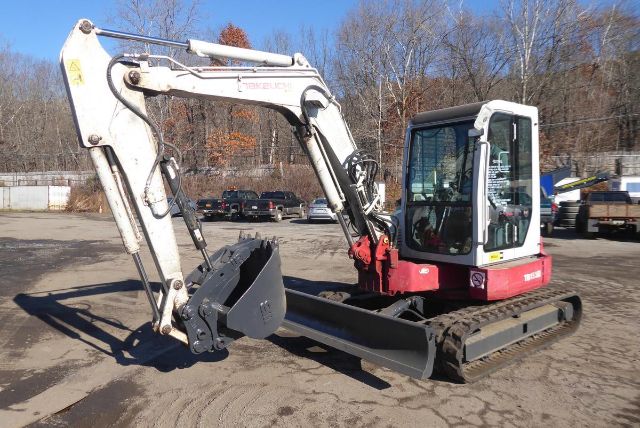
For buyers comparing used Takeuchi equipment, the key decisions usually come down to machine size class, cab configuration, undercarriage condition, and hydraulic capability. Compact excavators in the Takeuchi line are often chosen for smooth joystick response, good breakout force for their size, and useful attachment flexibility. Rubber tracks, blade condition, boom and stick pin wear, swing bearing play, and cylinder seepage matter more on a used unit than paint or cosmetics. If the machine is going to spend time loading trucks, digging footings, or working around structures, look closely at auxiliary hydraulics, hydraulic thumbs, quick coupler setup, and side-to-side boom offset. These features can have a bigger impact on productivity than a small difference in engine horsepower.
Transport and serviceability also matter because this equipment is part of a trucking workflow, not just a dirt-moving decision. Buyers should match machine operating weight to trailer capacity, deck length, tie-down points, and tow vehicle ratings. Width and overall height can affect loading angle, bridge clearance, and access to residential or urban jobsites. Diesel engine condition, cold-start behavior, hour meter reading, and maintenance records are important, but so are the wear components that drive ownership cost after purchase. Tracks, sprockets, rollers, bushings, and bucket teeth can add up quickly if the machine has been worked hard in rock, demolition, or abrasive soils.
Takeuchi remains a practical choice for buyers who want compact equipment that is easy to haul, productive in tight spaces, and well supported in the used market. Common buyer interest centers on excavators, but the same buying logic applies across the brand's compact equipment lineup: prioritize application fit, transport compatibility, hydraulic setup, and undercarriage life. A machine that matches your trailer, attachment package, and daily job cycle will usually deliver better value than simply buying the newest year or the lowest hour meter.
Frequently Asked Questions
What should I check first on used Takeuchi trucking equipment?
Start with operating weight, transport width, and the machine's overall condition in the undercarriage and hydraulics. On used Takeuchi equipment, tracks, rollers, sprockets, pins, bushings, cylinders, and auxiliary hydraulic function usually tell you more about future repair cost than appearance does. You should also confirm hour meter accuracy, cold-start performance, and whether the trailer and tow setup you plan to use are rated correctly for the machine.
Are Takeuchi excavators a good fit for hauling between jobsites?
Yes, Takeuchi compact excavators are commonly chosen because they balance digging performance with manageable transport dimensions. Many models are narrow enough for tighter access and light enough to be practical for regular trailer transport, but buyers still need to verify machine weight, bucket and attachment weight, trailer GVWR, and securement points. Transport fit is a major part of the buying decision because an otherwise capable machine can become expensive to move if it pushes your hauling setup beyond its limit.
What features add the most value on a used Takeuchi compact excavator?
Auxiliary hydraulics, a hydraulic thumb, quick coupler, enclosed cab, and boom offset are some of the most valuable features because they directly improve jobsite productivity and attachment flexibility. A front blade in good condition also adds value for grading and stabilizing. These features often matter more than a slight difference in age because they expand what the machine can do in trenching, utility work, landscaping, and site development.
How important is undercarriage wear on Takeuchi equipment?
Undercarriage wear is one of the biggest cost factors on compact tracked equipment. Rubber tracks may look acceptable at a glance while the rollers, idlers, or sprockets are already near replacement. Excessive wear reduces traction, ride quality, and overall efficiency, and it can turn an attractive purchase price into a costly ownership cycle. A careful inspection of track condition and running gear should be part of every used Takeuchi evaluation.
What jobs are Takeuchi machines commonly used for?
Takeuchi machines are commonly used for trenching, grading, utility installation, drainage work, landscape construction, demolition support, and general site preparation. Compact excavators are especially popular where access is limited and the machine needs to be hauled frequently. Buyers often choose this brand when they need a machine that works well in residential areas, commercial jobsites, and municipal maintenance applications.