
Walker Recycling For Sale in New York
Browse Walker recycling trucking equipment for scrap and material handling, including magnet and grapple setups for transfer, sorting, and recovery.
Learn more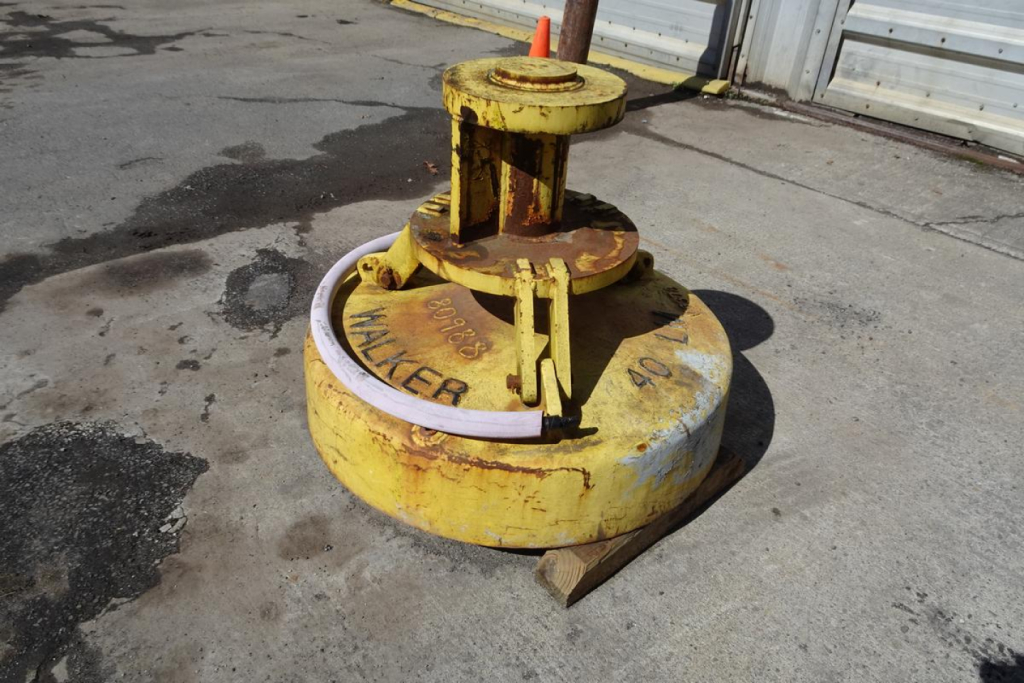
Have walker recycling trucking equipment to sell? List it here to reach thousands of buyers.
About Walker Recycling in New York
A key buying point on Walker recycling equipment is the setup itself. Some units are configured for magnet-only service, while others are built or adapted for grapple-grab use. That difference affects application, cycle time, and the type of material you can handle efficiently. Buyers should verify operating voltage, amperage draw, controller condition, cable integrity, shackle or rigging points, and any included support gear needed for installation. Weight and overall dimensions also matter more than they first appear, especially if the equipment is being added to an existing truck, trailer, crane, or stationary recycling system where payload, reach, and clearance are already tight.
Condition assessment should go beyond basic operation. On used recycling equipment, the important questions are how strongly the magnet pulls under load, whether the duty cycle matches the intended production pace, and how well the unit has held up around heat, abrasion, moisture, and impact. A magnet or grapple system that works intermittently can slow the whole yard. Buyers should inspect housings, wear surfaces, electrical connections, lifting eyes, and any signs of prior repair. If the equipment will be used in scrap steel, demolition recycling, or transfer work, reliability under repeated cycling is usually more important than age alone.
Walker is a recognized name in magnetic and material handling equipment, and that matters in the recycling segment because parts support, service familiarity, and application knowledge can reduce downtime. The best fit comes from matching the unit to the material stream, host machine, and production target. A lighter unit may suit small sorting tasks or compact operations, while a heavier-duty setup with the right duty cycle and rigging arrangement is better for continuous scrap handling. Buyers comparing listings should focus on configuration first, then power requirements, dimensions, and wear condition, since those factors will determine how well the equipment fits into an actual recycling operation.
Frequently Asked Questions
What is Walker recycling equipment typically used for?
Walker recycling equipment is typically used for handling, lifting, separating, and transferring recyclable material in scrap yards, transfer stations, and material recovery operations. Common applications include picking up ferrous scrap with a magnet, moving loose material with a grapple-compatible setup, and feeding or clearing processing areas. The exact use depends on whether the unit is configured for magnet-only work or for a broader material handling role.
What should I check first when buying used Walker recycling equipment?
Start with the unit’s configuration, power requirements, and operating condition. Confirm voltage, amperage, duty cycle, overall dimensions, weight, and whether it is set up for magnet service, grapple use, or both. Then inspect the housing, cables, shackles, lifting points, and wear areas. In recycling applications, a unit that powers up is not enough. It also needs to perform consistently through repeated cycles under load.
Why does duty cycle matter on recycling equipment?
Duty cycle tells you how long the equipment can operate within a given period without overheating or losing performance. In a recycling yard, that matters because production often depends on frequent, repetitive lifting cycles. A unit with a lower duty cycle may be acceptable for light or intermittent use, but it can become a bottleneck in heavier scrap handling. Matching duty cycle to workflow helps avoid downtime and premature component wear.
How do dimensions and weight affect fitment?
Dimensions and weight affect clearance, rigging, mounting, transport, and host-machine compatibility. A compact unit may be easier to integrate where space is limited, but it still has to provide enough capacity for the intended material. Weight also affects payload calculations and equipment balance on cranes, trucks, or other handling systems. Buyers should compare the unit’s physical specs against the available space, lifting capacity, and daily material volume before purchase.
Is Walker recycling equipment suitable for New York scrap and transfer operations?
Walker recycling equipment can be a strong fit for New York operations because many yards and transfer sites need durable, space-conscious handling equipment that can keep up with frequent cycling. The main consideration is not geography alone but whether the unit’s electrical setup, size, and duty rating match the site’s infrastructure and workload. In dense operating environments, proper fitment and reliable performance are especially important.