
Trucking Equipment For Sale in Pennsylvania
Browse trucking equipment for sale in Pennsylvania, including used vocational trucks, trailers, and work-ready fleet equipment for regional operations.
Learn morePopular Trucking Equipment Categories
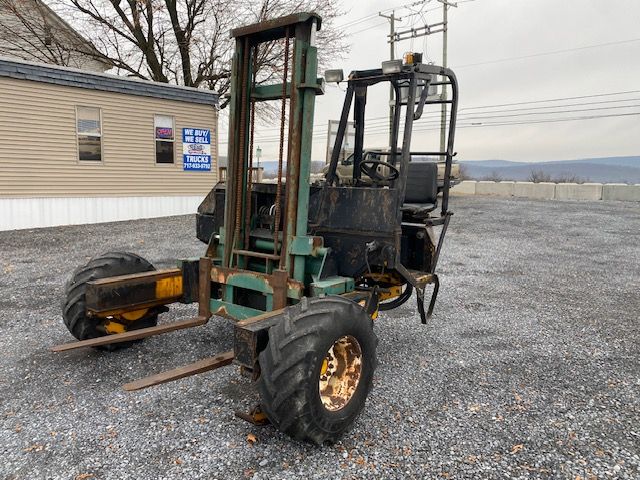

Have trucking equipment to sell? List it here to reach thousands of buyers.
About Trucking Equipment in Pennsylvania
Used trucking equipment in this market often varies more by duty cycle and prior use than by age alone. A buyer should look closely at hours, maintenance history, cold-weather starting performance, hydraulic function, driveline condition, brake system health, tire wear, and signs of frame or corrosion issues. In a state where salt exposure is a real factor, underbody rust, cab mounts, brake lines, wiring, hydraulic lines, and body supports deserve extra attention. For trailers and truck-mounted equipment, it also makes sense to verify lighting, suspension condition, PTO operation if equipped, and any wear tied to regional hauling such as rough secondary roads, quarry access, or municipal stop-and-go service.
Specs that matter depend on the equipment type, but practical buyers usually compare engine horsepower, transmission type, axle ratings, suspension setup, wheelbase, hydraulic capacity, GVWR, and usable body or deck configuration. For support equipment such as graders, backhoes, or other fleet-adjacent machines, buyers tend to focus on operating hours, bucket or blade condition, articulation or steering play, tire or undercarriage wear, and how well the machine integrates with a trucking operation. Older equipment can still be productive if parts support is reasonable and the machine has been maintained on a schedule. The key is matching the unit to the work instead of buying strictly on price or model year.
A strong purchase in this category is one that fits the route, payload, terrain, and labor available to run it. Pennsylvania operations often need equipment that can transition between urban streets, rural roads, and muddy or uneven jobsites without excessive downtime. Buyers should think in terms of total operating cost: fuel burn, repair access, parts availability, transportability, and how quickly the unit can be put to work. The right trucking equipment should support uptime, safe operation, and a predictable maintenance plan across the seasons.
Frequently Asked Questions
What should I inspect first when buying used trucking equipment in Pennsylvania?
Start with structural condition and maintenance evidence. In Pennsylvania, rust and corrosion are major concerns because of winter road treatment and year-round moisture exposure. Check the frame, underbody, brake lines, hydraulic lines, wiring, cab supports, suspension mounts, and any steel body components. After that, review hours or mileage, service records, tire condition, fluid leaks, starting behavior, and how the equipment performs under load or during hydraulic operation.
Are operating hours more important than model year on used trucking equipment?
Hours often tell you more than model year, especially on vocational and construction-related equipment. A well-maintained older unit with documented service can be a better value than a newer one with poor upkeep or severe jobsite wear. Buyers should compare hours, prior application, maintenance intervals, and visible wear on key systems such as hydraulics, drivetrain components, steering, articulation points, and attachments. Model year matters, but condition and service history usually matter more.
What specs matter most when comparing trucking equipment listings?
The most important specs depend on the job, but buyers commonly focus on horsepower, transmission type, axle or weight ratings, hydraulic setup, wheelbase, suspension, PTO capability, and body or attachment configuration. For trailers, deck dimensions, suspension type, braking system, and tire condition are critical. For fleet-support machines such as graders or backhoes, operating hours, implement condition, steering response, and hydraulic performance are usually at the top of the list. The best spec package is the one that matches the intended workload without adding unnecessary operating cost.
Is older vocational or support equipment still a good buy?
Older equipment can still make sense if it is mechanically sound, supported by available parts, and priced appropriately for its condition. Many buyers accept older model years when the machine has straightforward systems, proven reliability, and enough remaining service life for the intended work. The risk increases when corrosion is advanced, maintenance is undocumented, or critical components show wear that will require immediate repair. A realistic inspection and repair budget is essential before buying older equipment.
How does application affect the best equipment choice?
Application should drive the purchase. Equipment used for municipal maintenance, site work, hauling, utility support, or seasonal snow and road service will have different priorities for power, weight, hydraulics, maneuverability, and durability. A unit that performs well on paved regional routes may not hold up efficiently on rough jobsites, and a machine built for off-road support may not be ideal for frequent highway travel. Matching the equipment to terrain, payload, duty cycle, and operator skill is the best way to protect uptime and operating cost.