
Master Craft Trucking Equipment For Sale
Browse Master Craft trucking equipment, including rough terrain forklifts with diesel power, 4WD, strong lift capacity, and jobsite-ready handling.
Learn moreBrowse Master Craft Trucking Equipment by Category
Have master craft trucking equipment to sell? List it here to reach thousands of buyers.
About Master Craft Trucking Equipment
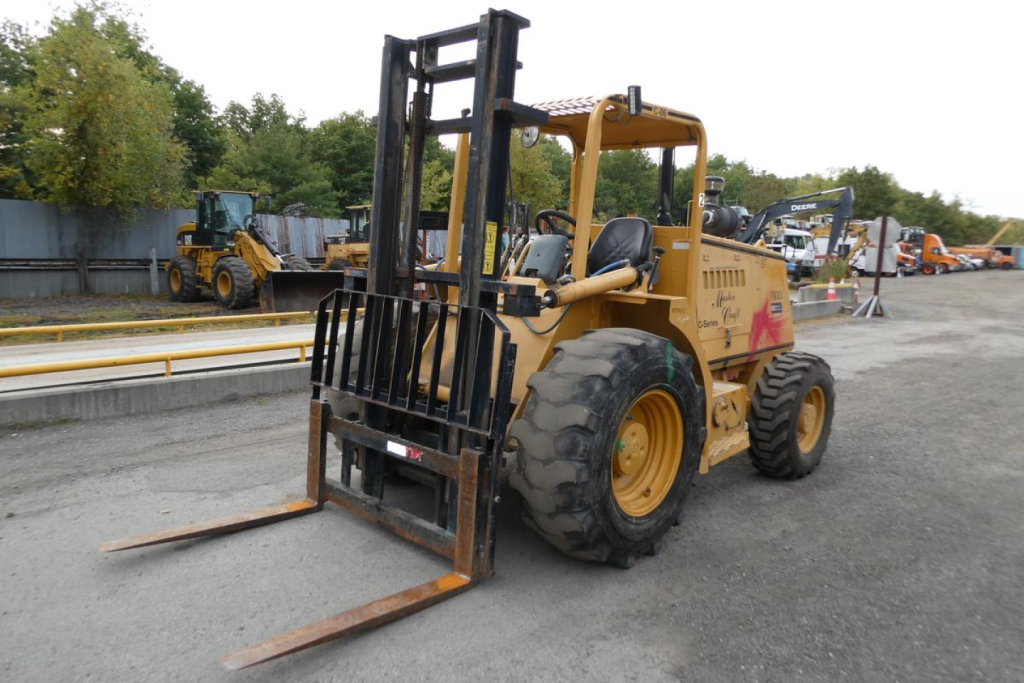
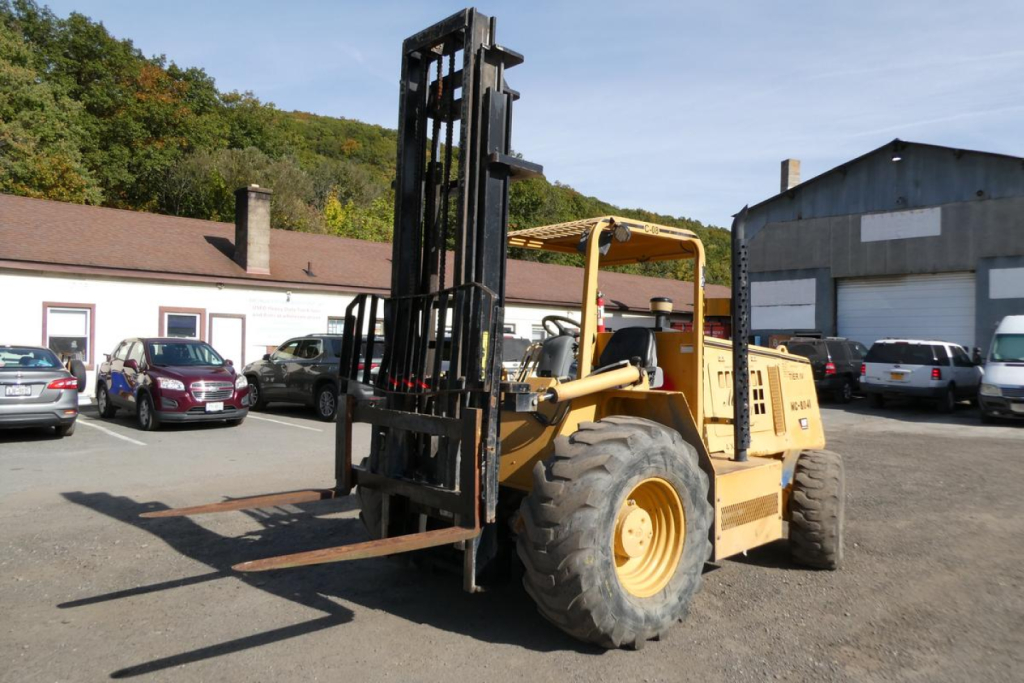
The most important buying decision is matching capacity and mast configuration to the job. A 6,000 lb machine can be a practical fit for lighter palletized material and routine yard loading, while an 8,000 lb unit gives more headroom for denser loads and attachment use. Mast style matters just as much. Dual mast setups can be simpler and lower in collapsed height, while tri mast configurations usually offer higher loading height for stacking and trailer work. Fork dimensions, side shift, backtilt, and overall machine weight should all be reviewed together because real-world stability depends on load center, tire condition, terrain, and how high the machine will regularly carry product.
Engine and drivetrain specs are another key comparison point on used Master Craft equipment. Many machines in this class use Caterpillar 4.4L diesel engines in the 90 to 100 horsepower range paired with 4-speed powershift transmissions. That is a proven combination for low-speed torque, predictable shuttle work, and easier service support. Buyers should pay attention to emissions tier requirements, especially on newer units that may include DEF systems, and inspect hydraulic cylinders, mast wear, pin and bushing play, steering response, and brake performance. On rough terrain forklifts, tire condition and axle integrity can have as much impact on operating cost as the engine itself.
For buyers comparing Master Craft units across years and capacities, the practical concerns are transport dimensions, operating weight, and the layout of the cab or operator station. Open cab machines can be easier to enter and maintain, but exposure to weather may matter for all-day use. Width, mast height, and collapsed dimensions affect trailerability and access to jobsites with low clearances. A well-matched Master Craft rough terrain forklift can fill the gap between a conventional forklift and a telehandler, especially when the work calls for straightforward lifting, strong stability, and reliable diesel-powered performance without the added complexity of extended boom equipment.
Frequently Asked Questions
What kind of trucking equipment is Master Craft best known for?
In listings like these, Master Craft is commonly associated with rough terrain forklifts. These machines are designed for material handling on gravel, dirt, and mixed-surface yards rather than smooth warehouse floors. Typical features include diesel engines, 4WD, pneumatic tires, mast-based lifting, and capacities suited to palletized building materials, equipment support, and outdoor loading work.
How do I choose between a 6,000 lb and 8,000 lb Master Craft forklift?
Start with the heaviest load you expect to handle, then consider the load center, lift height, and any attachments that reduce effective capacity. An 8,000 lb machine offers more margin for dense or awkward loads, but it also brings more machine weight and may be less practical in tighter areas. A 6,000 lb unit can be more economical if your material is lighter and your jobsite does not require the extra reserve capacity.
What should I inspect first on a used Master Craft rough terrain forklift?
Focus on the mast, hydraulics, engine, drivetrain, and tires. Check for dry cylinders, smooth lift and tilt operation, excessive play in pins and bushings, and signs of mast wear. On the powertrain side, verify cold starts, transmission engagement, steering performance, brake feel, and 4WD function. Tire condition is especially important because rough terrain units rely heavily on traction and stable footing outdoors.
Is a rough terrain forklift a better choice than a telehandler?
That depends on the work. A rough terrain forklift is usually the better fit when you need straightforward lifting and carrying at lower heights with good stability and simpler operating systems. A telehandler is more versatile when reach is the priority, especially for placing loads forward or at elevated angles. If the job mainly involves loading trucks, moving pallets in a yard, or supporting material flow around a site, a mast forklift can be the more efficient and lower-complexity option.
Do emissions and DEF systems matter when buying newer Master Craft equipment?
Yes. Newer diesel equipment may include DEF and additional emissions components that affect maintenance routines, troubleshooting, and operating costs. That does not make them a poor choice, but buyers should confirm the emissions setup, understand local compliance requirements, and inspect the machine for fault codes or deferred maintenance. On any used diesel forklift, service history and operating condition are more important than model year alone.