
Link Belt Trucking Equipment For Sale
Browse Link-Belt trucking equipment listings, including excavators and specialty machines, with details on hydraulics, operating weight, reach, and condition.
Learn moreBrowse Link Belt Trucking Equipment by Category
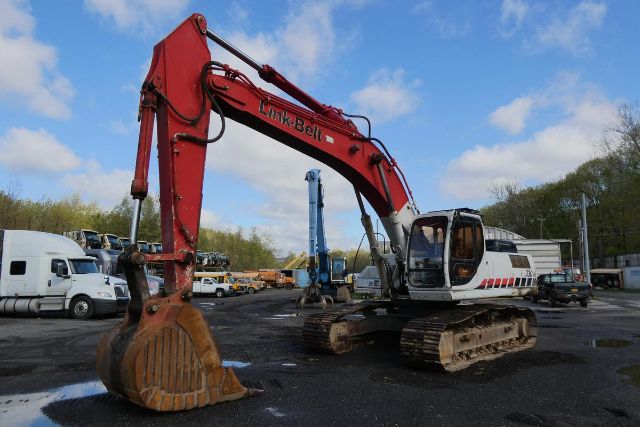
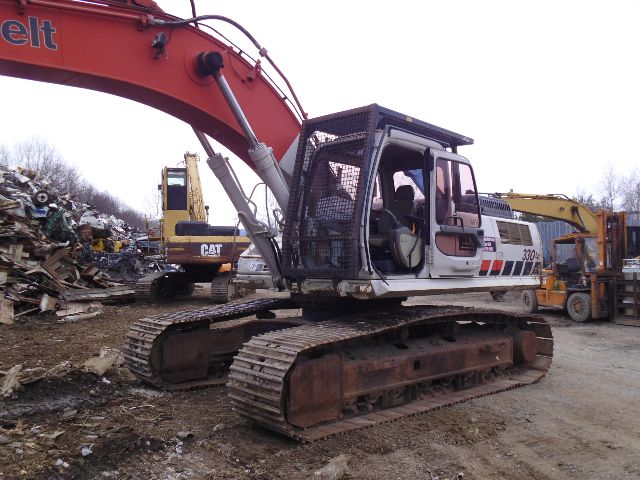
Have link belt trucking equipment to sell? List it here to reach thousands of buyers.
About Link Belt Trucking Equipment
For excavator shoppers, the practical differences between a mid-size machine and a heavier 30-ton class unit matter more than the badge alone. A machine in the 16-ton range can be easier to haul, better suited to utility work, drainage, and tighter site access, while a 30-ton class Link-Belt excavator brings more breakout force, longer reach, and better stability for mass excavation, demolition attachments, or scrap and recycling work. Common specs across the category include diesel engines from established suppliers, hydrostatic travel systems, enclosed cabs, joystick controls, triple grouser track pads, and optional extra hydraulic lines for thumbs, hammers, shears, or quick couplers. If the machine is set up for demolition or recycling, buyers should verify the boom length, stick length, attachment plumbing, counterweight setup, and any guarding already installed.
Condition is where one used Link-Belt machine can separate itself from another. Undercarriage wear, pin and bushing play, cylinder seepage, swing bearing condition, and cab function all deserve close inspection. On higher-hour units, attention should go to track life, sprockets, rollers, bucket wear, hydraulic response, and signs of repair around the boom foot, stick, and house. Transport dimensions also matter because width, shipping length, and operating weight affect permit requirements, trailer selection, and route planning. A heavier excavator with wider pads and a long stick may produce well on the job, but it also changes hauling cost and lowboy utilization.
Link-Belt remains a familiar name for contractors who want productive hydraulic machines without unnecessary complexity. For buyers comparing listings, the smartest approach is to match the machine to the intended application first, then compare hours, attachment setup, service history, and undercarriage life. A clean standard excavator may be the right fit for trenching and site prep, while a machine with a shear, third valve, or quick disconnect can make more sense for demolition, recycling, or scrap handling. The right Link-Belt unit is usually the one with the best combination of hydraulic setup, structural condition, transportability, and remaining service life for the work ahead.
Frequently Asked Questions
What types of Link-Belt equipment are most commonly found on the used market?
Link-Belt is most commonly associated with hydraulic excavators, including mid-size and full-size crawler machines used for excavation, utility work, demolition, and recycling. Some units are standard digging machines, while others are configured with auxiliary hydraulics, quick couplers, thumbs, shears, or specialty booms for more demanding applications. Buyers should look past the model name and confirm the actual attachment setup, boom and stick dimensions, and undercarriage condition.
What should I inspect first on a used Link-Belt excavator?
Start with the undercarriage, hydraulic system, and structural areas. Check track pads, rollers, idlers, sprockets, and chain wear, then inspect cylinders, hoses, and fittings for leaks or seepage. After that, look for play in pins and bushings, cracks or repairs around the boom base and stick, and smooth operation in swing, travel, and boom functions. Cab condition, HVAC operation, hour meter credibility, and service records also help separate a better machine from one that may need immediate repair.
How do I choose between a mid-size and full-size Link-Belt excavator?
The decision usually comes down to transport, site access, and production needs. A mid-size Link-Belt excavator is easier to move, works well in tighter areas, and often fits utility, residential, and light commercial excavation. A larger machine offers more lift capacity, reach, breakout force, and stability for deep excavation, heavy trench boxes, demolition tools, and high-volume dirt work. Buyers should compare operating weight, tail swing, attachment requirements, and hauling limits before choosing a size class.
Are Link-Belt machines suitable for demolition and recycling work?
Yes, many Link-Belt excavators are used in demolition and recycling when they are equipped correctly. The key is verifying auxiliary hydraulic capacity, guarding, boom and stick configuration, and compatibility with shears, grapples, or hammers. A machine that already has extra hydraulic lines, a third valve, and the right attachment mount can save time and setup cost. Structural condition matters even more on demolition units because those applications put added stress on the front end and upper structure.
Why do transport dimensions matter when buying Link-Belt equipment?
Transport dimensions affect cost, compliance, and how easily the machine can be dispatched between jobs. Operating weight, overall width, shipping length, and boom position determine whether the unit can move on a standard lowboy or requires permits and route planning. Wider track pads and longer front-end configurations can improve jobsite performance but may create extra hauling restrictions. Buyers managing multiple jobsites should weigh production gains against transport complexity.