
Toyota Lifts - Fork For Sale
Shop Toyota fork lifts for material handling, loading docks, and warehouse work. Compare lift capacity, mast type, fuel system, and attachments.
Learn more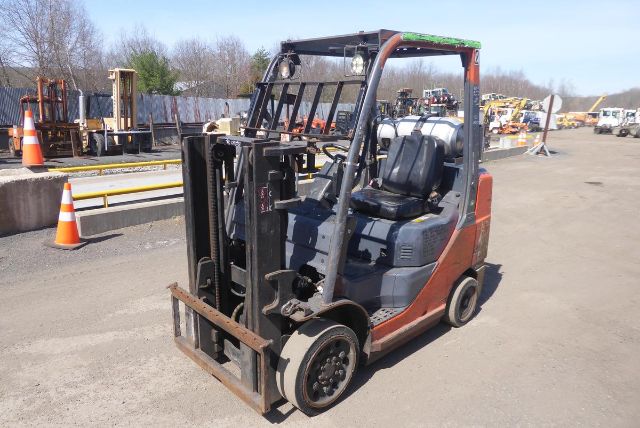
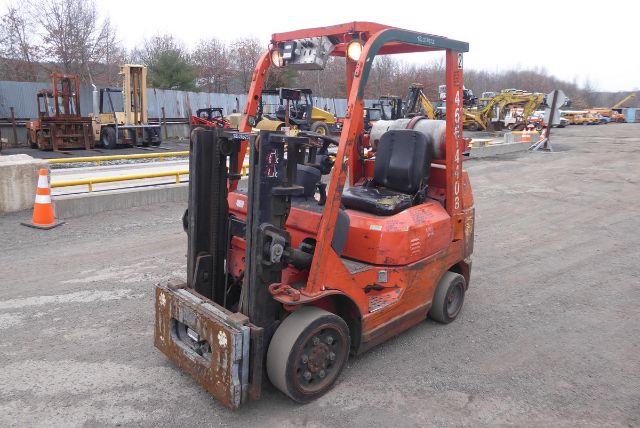
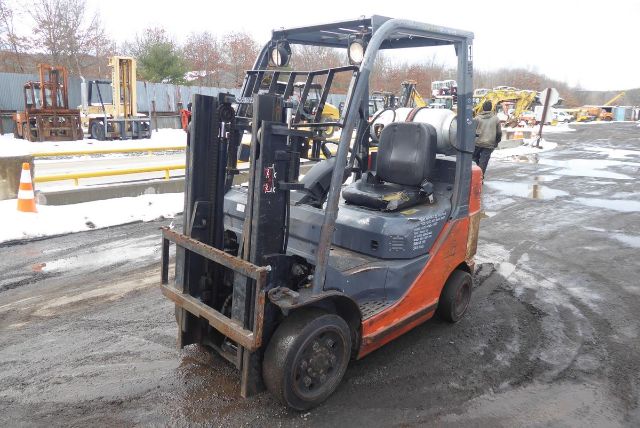
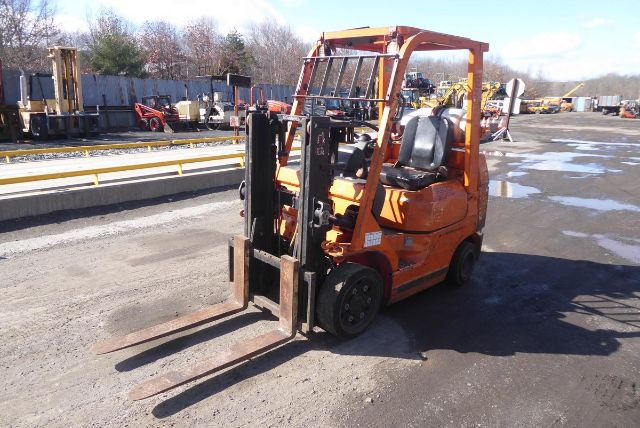
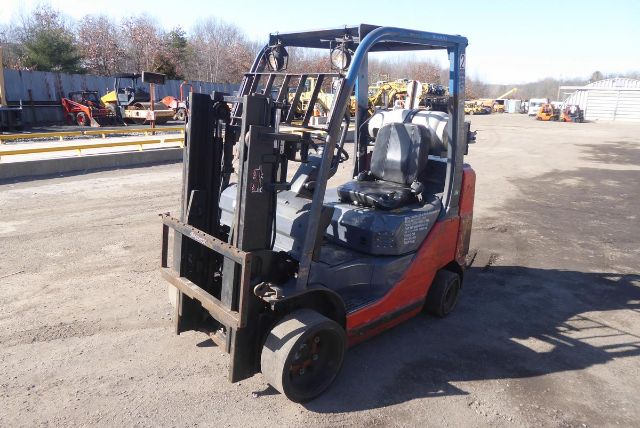
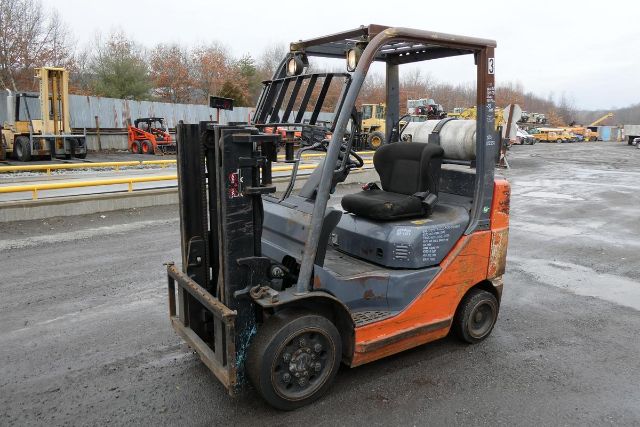
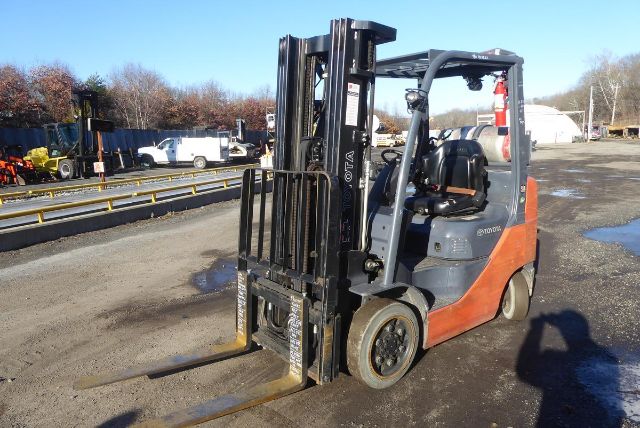
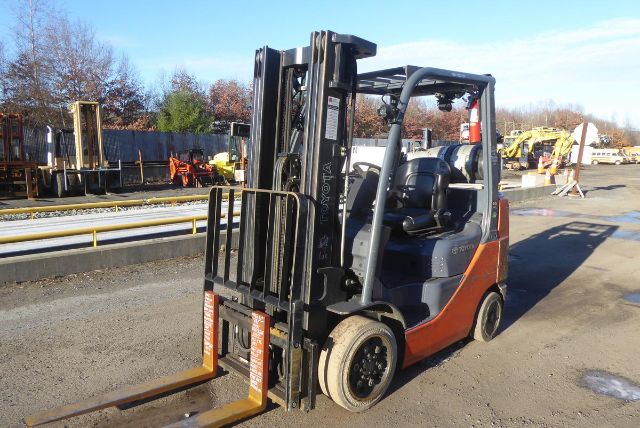
Showing 25 to 33 of 33 results
Have toyota lifts - fork trucking equipment to sell? List it here to reach thousands of buyers.
About Toyota Lifts - Fork
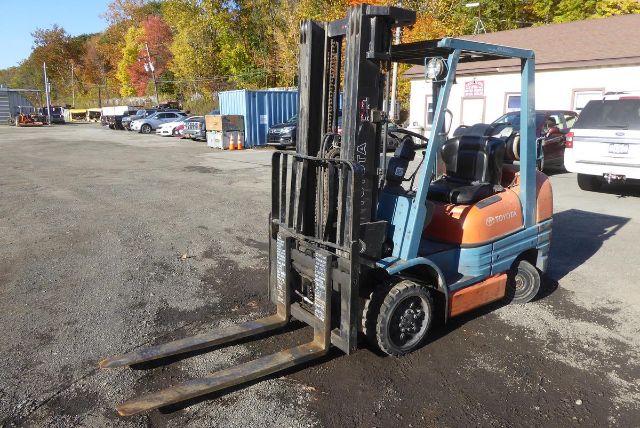
The first buying decision is usually capacity and mast configuration. Many Toyota fork trucks in the 4,000 to 5,000 lb range are sized well for standard pallet work, bundled freight, and dock use, but actual safe lift depends on load center, fork length, mast height, and any attachment installed. A dual mast works well for straightforward loading and unloading at lower lift heights, while a triple mast is better where overhead clearance is tight but higher stacking is still required. Buyers should compare lowered mast height, maximum lift height, side shift, fork position, tilt function, and whether a 4th valve is already plumbed for attachments.
Fuel system, tires, and transmission layout matter just as much as rated capacity. Propane Toyota forklifts are popular because they refuel quickly and perform well in mixed indoor-outdoor service when ventilation rules allow. Cushion-tire units are common on smooth concrete in warehouses and freight terminals, while pneumatic-tire forklifts are the better fit for rougher yards and uneven surfaces. Many buyers also look closely at Monotrol or similar directional control setups, hour meter accuracy, hydraulic cylinder condition, steer axle wear, mast chain condition, and whether forks, LP tank brackets, side shifters, and backup alarms are included.
A used Toyota fork lift should be evaluated as a working system, not just by hours. Check for mast drift, carriage play, brake response, cold-start behavior, transmission engagement, hydraulic leaks, and tire condition. Confirm the data plate matches the current mast and attachment setup, since capacity changes when the configuration changes. For freight terminals, building supply handling, warehouse staging, and trailer service, Toyota forklifts remain a practical equipment category because they are easy to spec, easy to operate, and widely accepted across commercial material handling applications.
Frequently Asked Questions
What lift capacity is most common on Toyota fork lifts?
Many Toyota fork trucks in general warehouse and dock service fall in the 4,000 to 5,000 lb class. That range is popular because it handles standard palletized freight, most trailer loading tasks, and common industrial material movement without moving into a much larger machine. Buyers still need to verify the actual data plate because rated capacity changes based on load center, mast type, attachment use, and fork length.
What is the difference between a dual mast and a triple mast on a Toyota forklift?
A dual mast is typically simpler and well suited for routine loading and unloading where high stacking is not required. A triple mast gives more lift height while maintaining a lower collapsed height, which helps in buildings with limited overhead clearance or in trailer and racking applications. The right choice depends on the maximum stacking height needed, the door clearance at your facility, and whether the truck will work inside trailers or under low beams.
Are propane Toyota forklifts a good choice for commercial use?
Propane Toyota forklifts are a strong fit for many commercial operations because they refuel quickly, maintain steady performance through a shift, and work well in mixed-use environments. They are common in warehouses, docks, and industrial sites where operators need fast turnaround and less downtime than battery charging can require. Buyers should still confirm local ventilation requirements, tank availability, and engine condition, especially on older LPG units.
What should I inspect first on a used Toyota fork truck?
Start with the mast, hydraulics, and capacity plate. Check chain wear, lift and tilt cylinder condition, carriage movement, side shift operation, and any signs of hydraulic seepage or drift under load. After that, inspect brakes, steering response, transmission engagement, tire wear, and the hour meter for credibility. It is also important to verify whether forks, LP tank hardware, and any attachment controls are present, since missing components can add immediate cost.
How do I choose between cushion tires and pneumatic tires on a forklift?
Cushion tires are best on smooth, finished surfaces such as warehouse floors, loading docks, and indoor production areas. They keep the truck compact and are common on indoor Toyota forklifts. Pneumatic tires are better for outdoor work, broken pavement, gravel, and uneven yard conditions because they provide more ground clearance and better shock absorption. The operating surface should drive this decision because tire type directly affects stability, ride quality, and productivity.