
Used Doosan Lifts - Fork For Sale
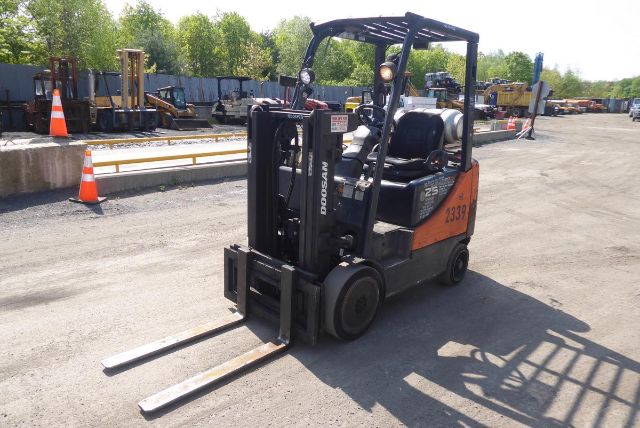
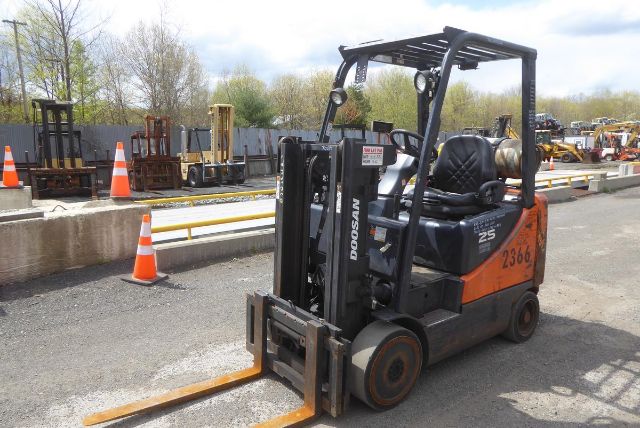
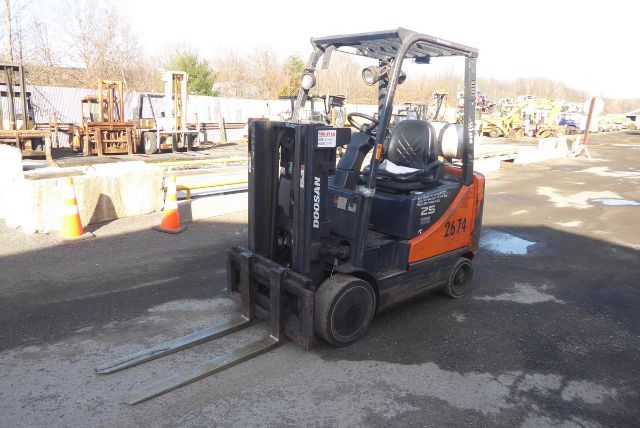
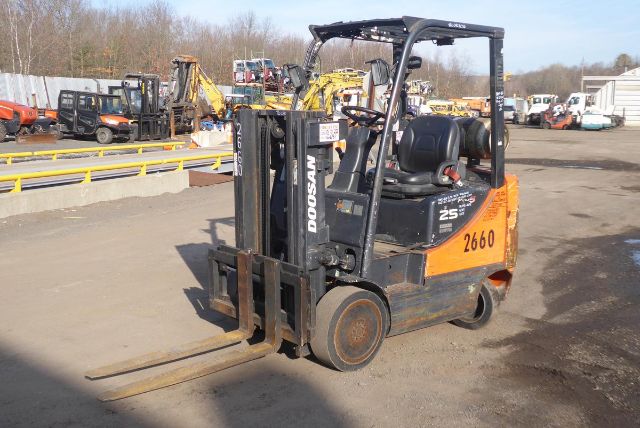
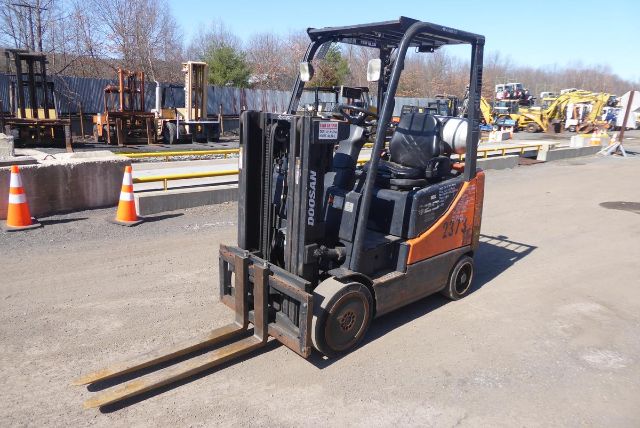
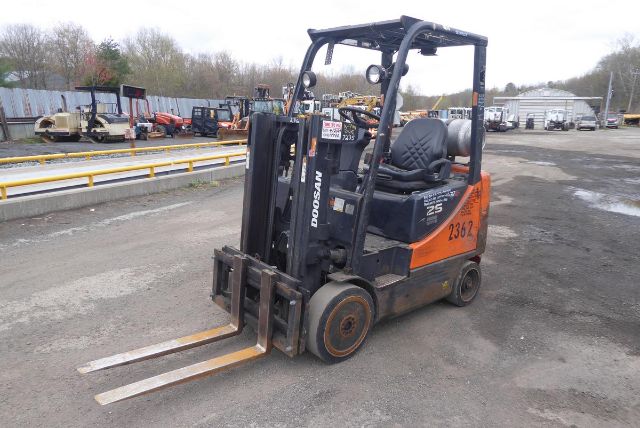
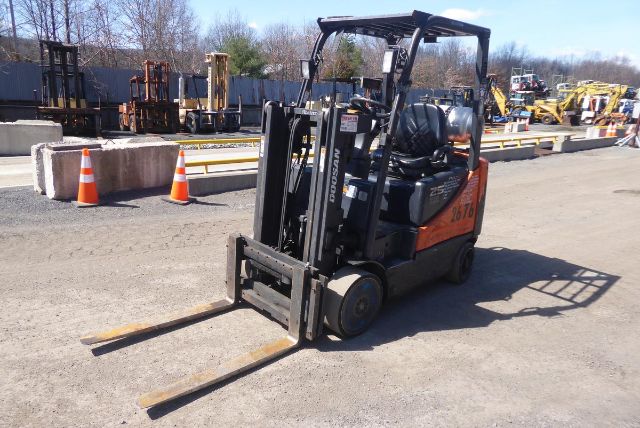
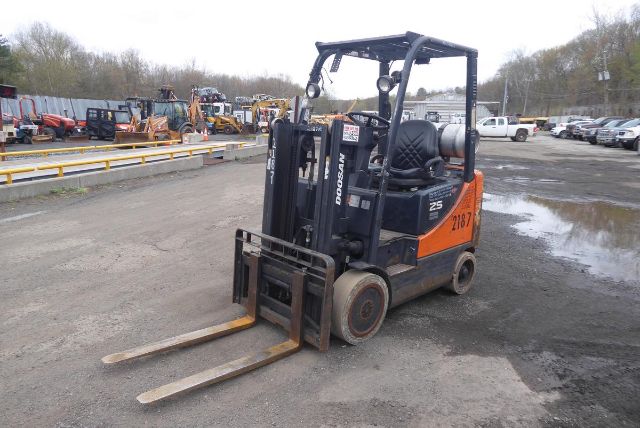
Browse used Doosan fork lifts built for warehouse, yard, and dock work, with common 4,000 lb class capacity and LP gas power.
Learn more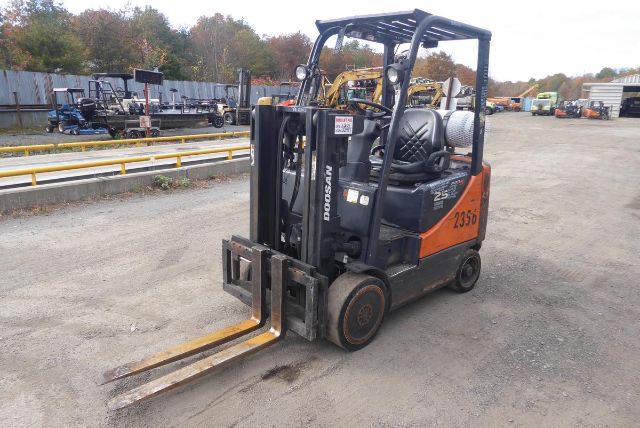
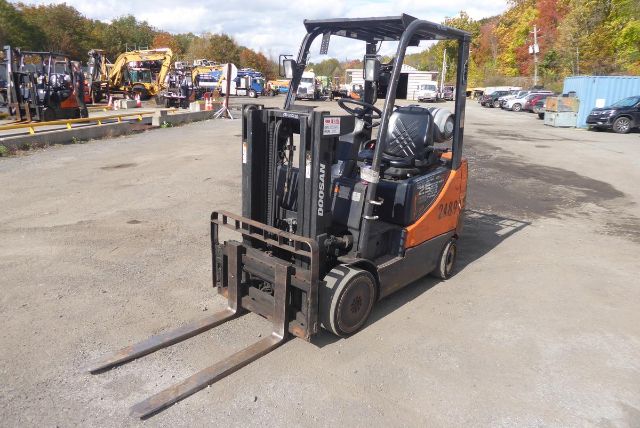
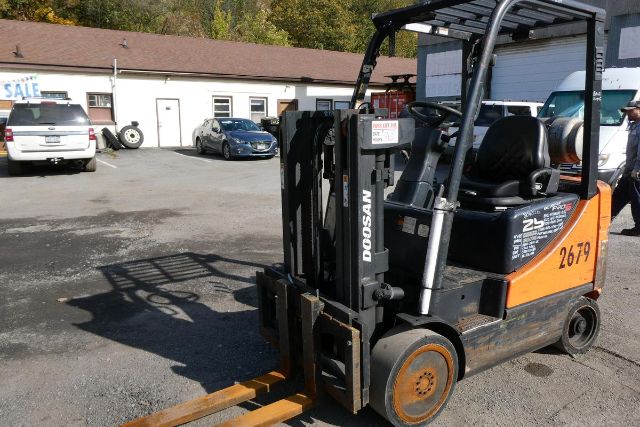
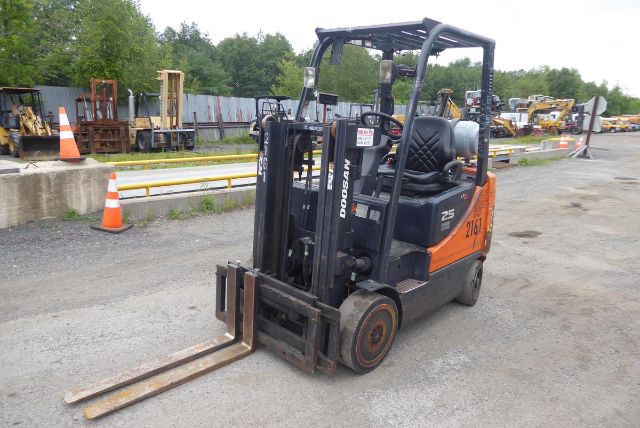
Showing 13 to 24 of 34 results
Have used doosan lifts - fork trucking equipment to sell? List it here to reach thousands of buyers.
About Used Doosan Lifts - Fork
The most important buying decision is matching capacity, mast configuration, and fuel type to the job. Many used Doosan fork trucks in this size class run liquid propane and use a 4-cylinder engine with automatic transmission, which makes them straightforward to operate in mixed-duty fleets. A dual-stage or double mast is common, along with hydraulic side shift, and that side shift feature is worth paying attention to because it speeds up trailer loading and rack placement without constant repositioning. Typical fork lengths are around 39 to 41 inches, which works well for standard pallets, but buyers should still confirm fork thickness, carriage condition, and backrest setup if the truck will see dense or irregular loads.
Dimensions matter more than many buyers expect. Units in this category are often roughly 7 to 7.5 feet long without forks, around 3.5 feet wide, and close to 7 feet tall at the mast when lowered, which makes them manageable around tight warehouse aisles, van trailers, and container-adjacent work areas. Operating weight commonly lands around 8,000 pounds, so trailer transport, floor loading, and dock plate compatibility should be checked before purchase. Solid cushion tires are common on these forklifts and are well-suited for smooth concrete, dock aprons, and paved yards, but they are less forgiving on rough outdoor surfaces than pneumatic-tire machines.
When comparing used Doosan lifts, focus on true hours, mast wear, tilt and lift cylinder condition, steer axle response, transmission engagement, and cold-start behavior under load. On LP units, buyers should also inspect the fuel system, regulator, and overall engine response at idle and under lift demand. A truck that runs well but shows warning lights, hard starting, or inconsistent hour records deserves a closer look before it goes into daily service. For many operations, a used Doosan fork truck offers a good balance of compact size, familiar controls, and proven material-handling capability without moving into a larger and more expensive warehouse forklift class.
Frequently Asked Questions
What capacity range is common for used Doosan fork lifts in this category?
Many used Doosan fork lifts in this class fall near the 4,000 pound range, with common rated capacities around 3,600 to 4,000 pounds. Actual safe lifting capacity depends on load center, mast height, attachment weight, and tire configuration, so the data plate should always be checked rather than relying only on model name or seller description.
Are Doosan fork trucks in this category usually propane or diesel?
For compact warehouse and dock forklifts like the GC25 series, liquid propane is very common in the used market. LP gas units are popular because they refuel quickly, work well in mixed indoor-outdoor applications, and usually offer simpler fleet fueling than diesel in warehouse environments. Buyers should still verify emissions requirements, ventilation standards, and local operating rules before placing an LP truck indoors full time.
What should I inspect first on a used Doosan forklift?
Start with the mast, lift chains, carriage, forks, hydraulic cylinders, and side shift function because those components directly affect safe material handling. After that, check transmission engagement, steering response, brake performance, tire wear, and hour meter consistency. On propane units, engine starting, idle quality, and throttle response under lift load can reveal fuel system or ignition issues that may not show up during a quick walk-around.
Is a cushion-tire Doosan forklift a good choice for outdoor work?
A cushion-tire Doosan forklift can handle paved yards, loading docks, and smooth outdoor surfaces, but it is not the right setup for rough gravel, broken pavement, or muddy ground. Cushion tires provide a lower overall height and tighter turning characteristics for warehouse work, but pneumatic-tire forklifts are usually the better choice when the job requires more ground clearance and better traction outside.
Why does side shift matter on a used fork truck?
Hydraulic side shift improves productivity because the operator can move the forks left or right without repositioning the entire truck. That saves time when centering loads in trailers, placing pallets in racks, and working in narrow dock areas. It also reduces repeated steering corrections, which can improve cycle times and lower operator fatigue in busy material-handling operations.