
Hyster Trucking Equipment For Sale
Browse Hyster trucking equipment for sale, including durable forklifts and material handlers built for warehouses, yards, docks, and heavy lifting.
Learn moreBrowse Hyster Trucking Equipment by Category
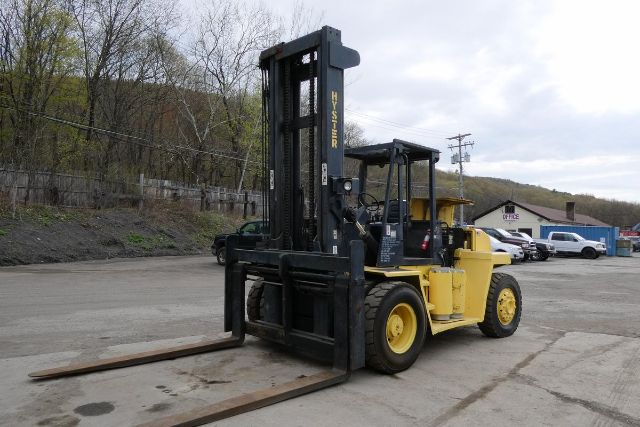
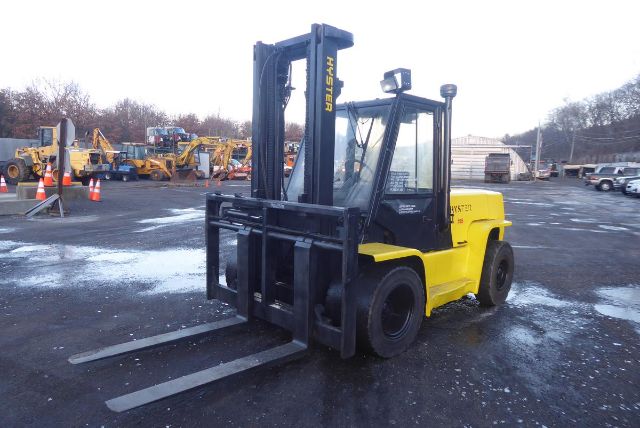
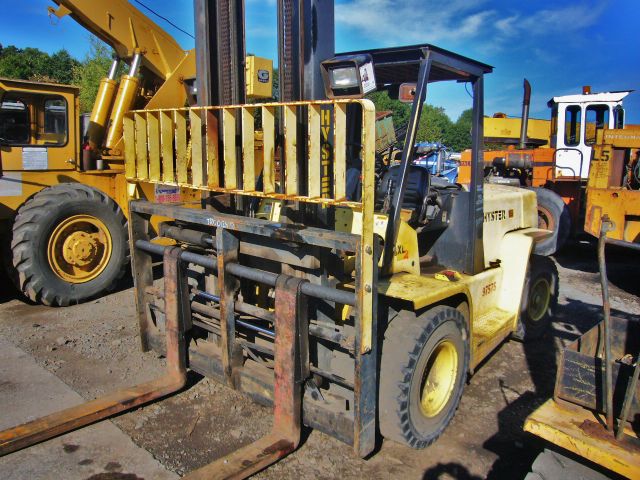
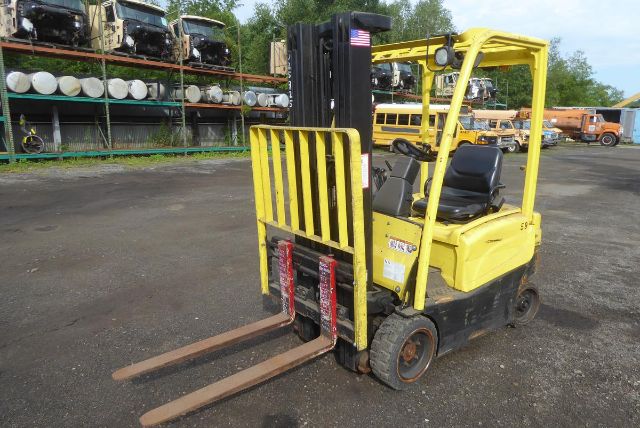
Have hyster trucking equipment to sell? List it here to reach thousands of buyers.
About Hyster Trucking Equipment
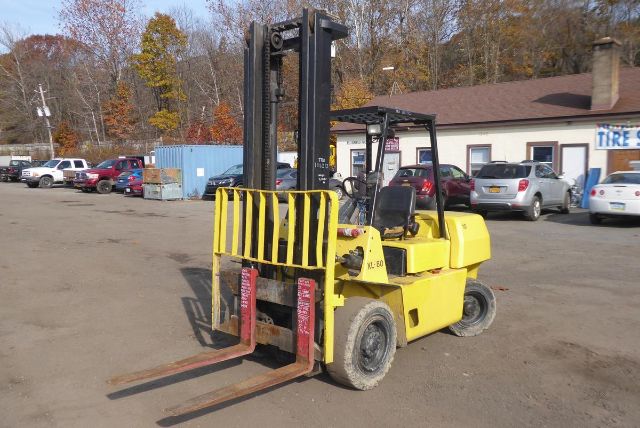
The most important buying factors are power source, lift capacity, mast setup, and attachment spec. Electric Hyster forklifts are common where low emissions, quieter operation, and tighter turning radius matter, particularly indoors. Diesel and propane units are still popular for harder-duty cycles, longer run times, and outdoor work. Mast type makes a major difference in usability. A two-stage mast may suit lower-clearance work and simpler service needs, while a triple mast helps maximize lift height without making collapsed height unmanageable. Side shift, hydraulic fork positioners, backtilt angle, fork length, and tire type all affect how productive the truck will be in real-world handling. A truck rated for a certain capacity can be de-rated significantly by long forks or specific attachments, so buyers should verify the data plate and actual application before purchase.
On used Hyster equipment, condition matters as much as model number. Hour meter readings help, but mast wear, chain stretch, steer axle play, hydraulic cylinder seepage, brake response, transmission engagement, and cold-start behavior tell a more accurate story. Tire choice is another practical consideration. Solid pneumatic or cushion-style tires are common for hard surfaces, while air-filled tires may be better for uneven yards depending on the machine. On electric models, battery voltage, amp-hour rating, charger compatibility, and battery age can swing operating cost quickly. On diesel or propane trucks, buyers should pay close attention to fuel system condition, engine response under load, and parts support for older engines and driveline components.
Hyster has a long presence in the forklift market, which helps with service familiarity and replacement parts access across many regions. That matters for fleet buyers trying to standardize maintenance and operator training. When comparing Hyster trucking equipment listings, focus on the truck's true rated capacity at the intended load center, overall lowered mast height, maximum lift height, attachment package, and total operating weight. Those details determine whether the machine will actually fit your dock doors, trailers, storage racks, and yard conditions, not just whether it starts and drives.
Frequently Asked Questions
What should I look at first when buying used Hyster trucking equipment?
Start with rated capacity, mast configuration, and power source, then move straight to condition. The truck's data plate should match the forks, carriage, and attachments installed, because side shifts, fork positioners, and long forks can change real lifting capacity. After that, inspect mast channels, lift chains, tilt cylinders, hydraulic hoses, steer components, brakes, and transmission operation. On electric Hyster units, battery condition and charger compatibility are major value factors. On diesel or propane models, focus on starting, idle quality, smoke, leaks, and response under load.
Are Hyster forklifts better for indoor or outdoor use?
Hyster forklifts are used in both environments, but the right setup depends on the job. Electric units are commonly chosen for indoor warehouse work because they produce no exhaust at the point of use and are quieter in enclosed spaces. Diesel, LP, and gas models are often preferred for outdoor yards, loading areas, and heavier duty cycles where refueling speed and extended run time matter. Tire type, ground surface, and ventilation requirements are just as important as the brand when deciding between indoor and outdoor use.
How does mast type affect a Hyster forklift's usefulness?
Mast type changes both lift height and overhead clearance. A two-stage mast is simpler and may work well where maximum lift height is moderate and collapsed height is less of a concern. A three-stage, or triple mast, gives more lift height while keeping the lowered height manageable for doors, trailers, and indoor clearances. Buyers should compare lowered mast height, free lift, and maximum raised height against the actual building and trailer environment where the truck will operate.
Why does a forklift's true lifting capacity differ from the advertised rating?
Forklift capacity is based on a specific load center and standard configuration. If the truck has longer forks, a clamp, side shift, fork positioner, or a non-standard carriage, the effective capacity can drop. That is especially important on heavier Hyster forklifts used in industrial handling, where the truck may physically lift a load but not be rated to do so safely. Always verify the current data plate and confirm capacity at the exact load center and attachment combination you plan to use.
Is an electric Hyster forklift a good used buy?
It can be an excellent used buy if the battery and electrical system are in good condition. Electric Hyster forklifts typically have fewer engine-related service items, smooth control response, and strong suitability for warehouse applications. The battery is the main cost driver, so buyers should check voltage, amp-hour rating, age, watering and maintenance history, charger condition, and run time under load. A clean truck with a weak battery can become more expensive than a higher-priced unit with a healthy battery package.