
Hoist Trucking Equipment For Sale
Browse Hoist trucking equipment with heavy-duty lift capacity, diesel power, and rugged industrial design for demanding yard and material handling work.
Learn moreNo exact matches found for your search
Showing Trucking Equipment instead.
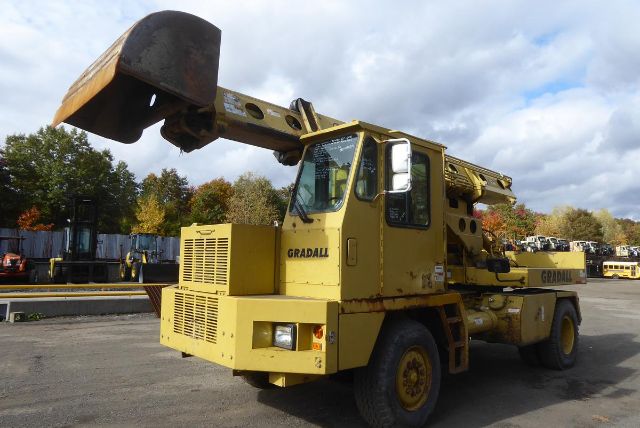
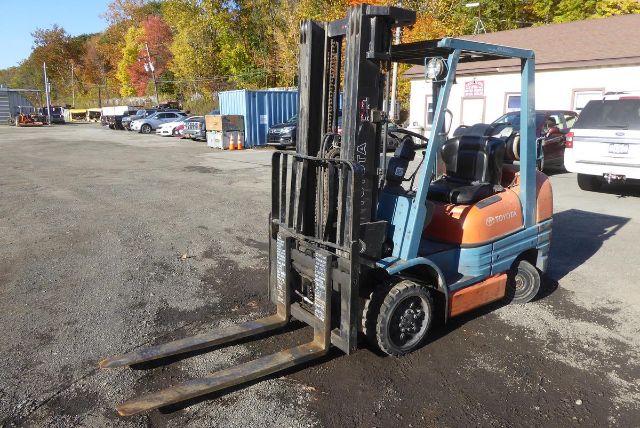
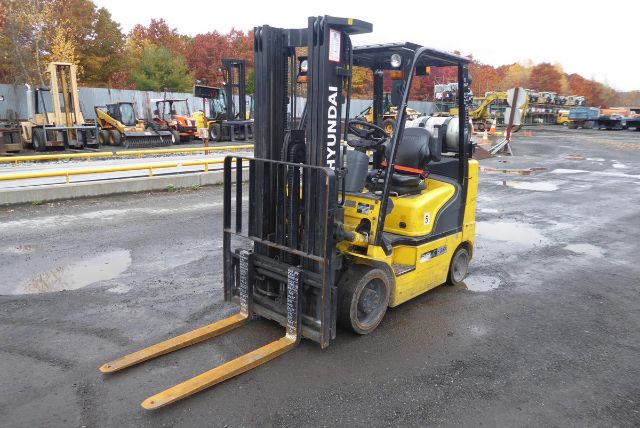
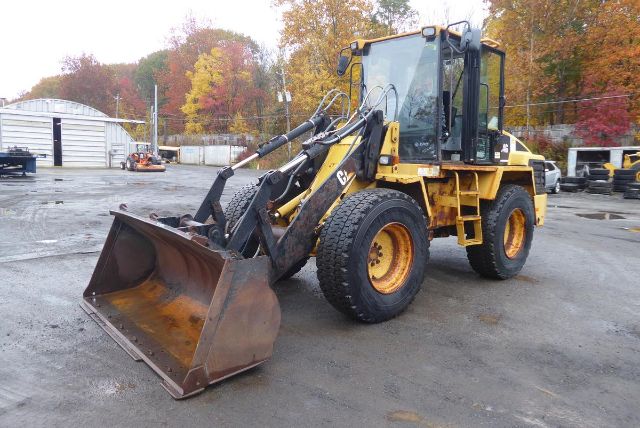
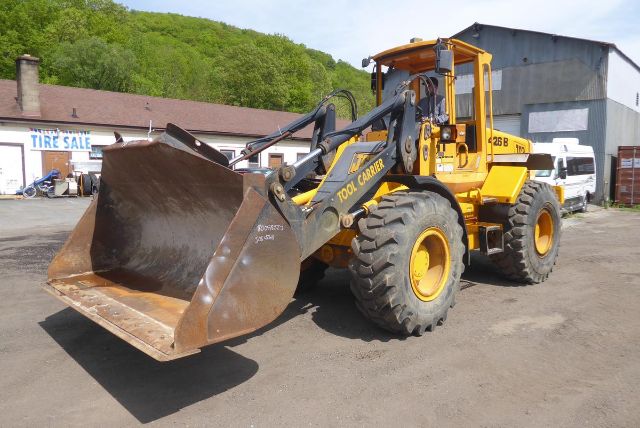
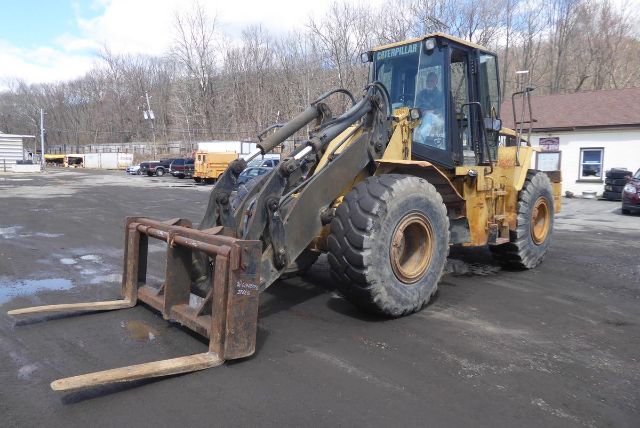
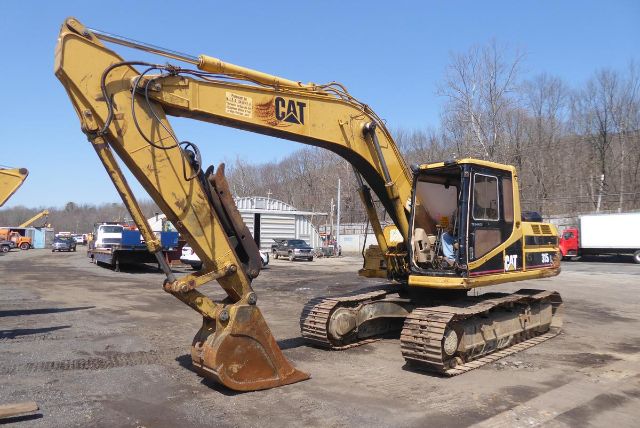
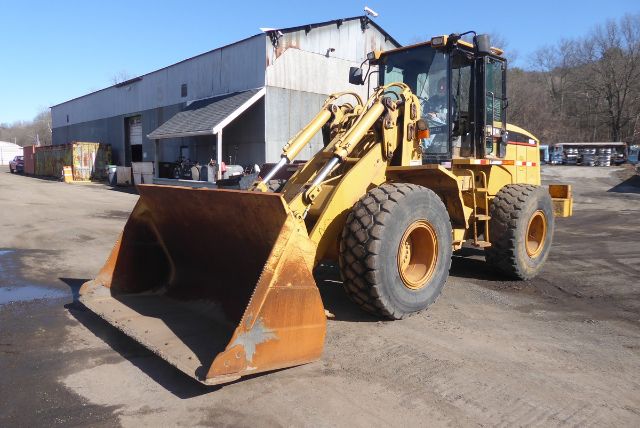
Showing 145 to 156 of 195 results
Have hoist trucking equipment to sell? List it here to reach thousands of buyers.
About Hoist Trucking Equipment
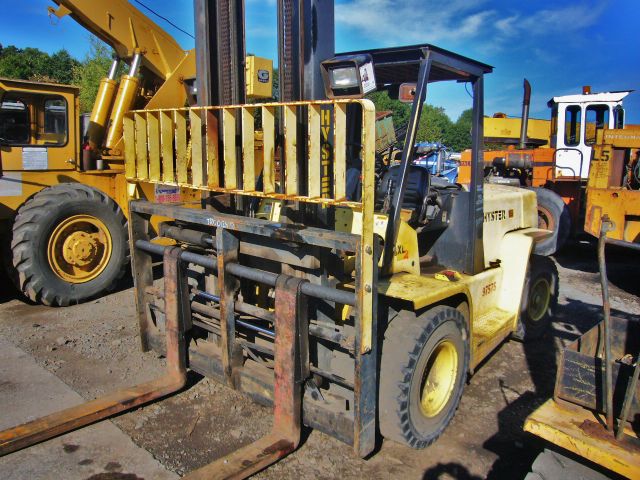
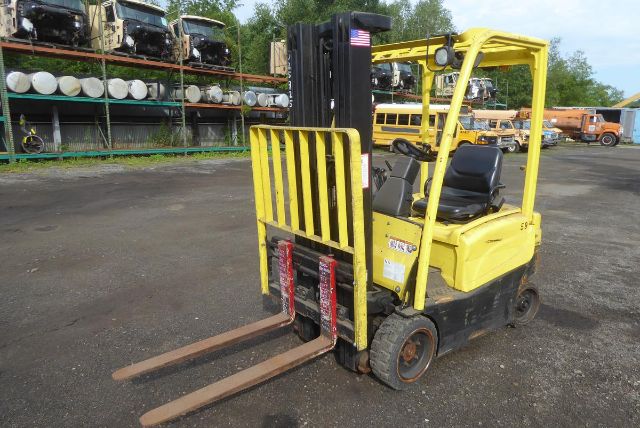
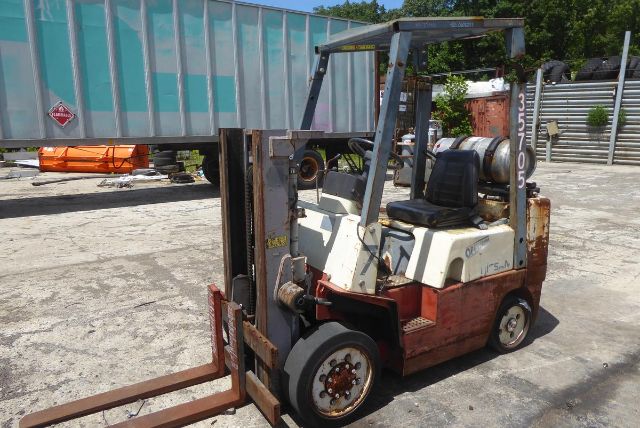
A typical Hoist large-capacity forklift may be equipped with diesel power, automatic transmission, pneumatic or solid tire configurations, and an enclosed operator cab for all-weather use. Buyers should pay close attention to rated capacity at load center, mast height, lowered and raised overall height, fork length, carriage setup, and attachment package. Features such as hydraulic side shift, fork positioners, backtilt, and multi-stage masts can make a major difference in productivity, especially when handling steel, pipe, lumber packs, machinery, or fabricated products. Operating weight also matters because these machines are heavy by design and require the right yard surface, trailer capacity, and transport planning.
Condition assessment on used Hoist equipment should focus heavily on the hydraulic system, mast channels and rollers, steer axle wear, transmission response, brake performance, and engine service history. On high-hour units, inspect lift and tilt cylinders for leakage, check for mast weld repairs, and confirm that fork thickness and heel wear remain within safe limits. Tire type is another practical buying factor. Air-filled tires can improve ride quality on rougher yards, while solid tires may reduce puncture-related downtime in scrap, steel, or debris-prone applications. Visibility from the cab, ease of service access, and parts support should also be part of the comparison when evaluating long-term operating cost.
For buyers searching Hoist trucking equipment for sale, these machines fill a specialized niche where brute lift capacity and durability are more important than compact warehouse maneuverability. Also known in many operations as large-capacity forklifts or heavy forklifts, Hoist units are often selected for outside use and repetitive heavy-load cycles. The best fit comes from matching the machine’s capacity, mast configuration, fork package, and physical dimensions to the exact material being moved and the clearances in your yard or plant.
Frequently Asked Questions
What types of jobs are Hoist forklifts commonly used for?
Hoist forklifts are commonly used in steel service centers, ports, lumber yards, concrete and precast facilities, heavy manufacturing plants, and outdoor storage yards. They are built to handle heavy, dense, or oversized materials that exceed the practical range of standard warehouse forklifts. Common loads include steel plate, pipe, bar stock, lumber bundles, machinery components, and fabricated assemblies.
What specs matter most when buying used Hoist equipment?
The most important specs are rated lift capacity, load center, mast height, lowered overall height, fork length, attachment type, operating weight, and tire configuration. Buyers should also verify engine model, transmission type, hour meter reading, and cab configuration. Those details affect not only lifting performance, but also transport logistics, yard suitability, and whether the machine will safely handle the intended load.
How do I know if a Hoist forklift has the right capacity for my operation?
Capacity should be matched to the actual load weight, load dimensions, and load center rather than relying on a headline maximum number alone. Long or bulky materials can reduce effective lifting capacity because the center of gravity moves forward. A buyer should compare the data plate rating to the real loads being handled, including any attachment weight from fork positioners, side shift systems, or specialty carriages.
What should I inspect on a used heavy-capacity Hoist forklift?
Inspect the mast, carriage, forks, hydraulic cylinders, hoses, steer components, brakes, transmission performance, and engine condition. Look for fork heel wear, mast play, leaking cylinders, cracked welds, uneven tire wear, and slow or jerky hydraulic response. It is also smart to review maintenance records and confirm that all lift and tilt functions operate smoothly under load.
Are solid tires or air-filled tires better on a Hoist forklift?
The right tire choice depends on the application and yard conditions. Solid tires are often preferred in scrap, steel, and debris-heavy environments because they resist punctures and reduce downtime. Air-filled tires can provide a better ride and may help on uneven outdoor surfaces, but they require more attention to tire condition and damage risk.