
Challenger Trucking Equipment For Sale
Browse Challenger trucking equipment listings and compare specs, applications, drivetrains, hydraulics, PTO options, and operating condition.
Learn moreBrowse Challenger Trucking Equipment by Category
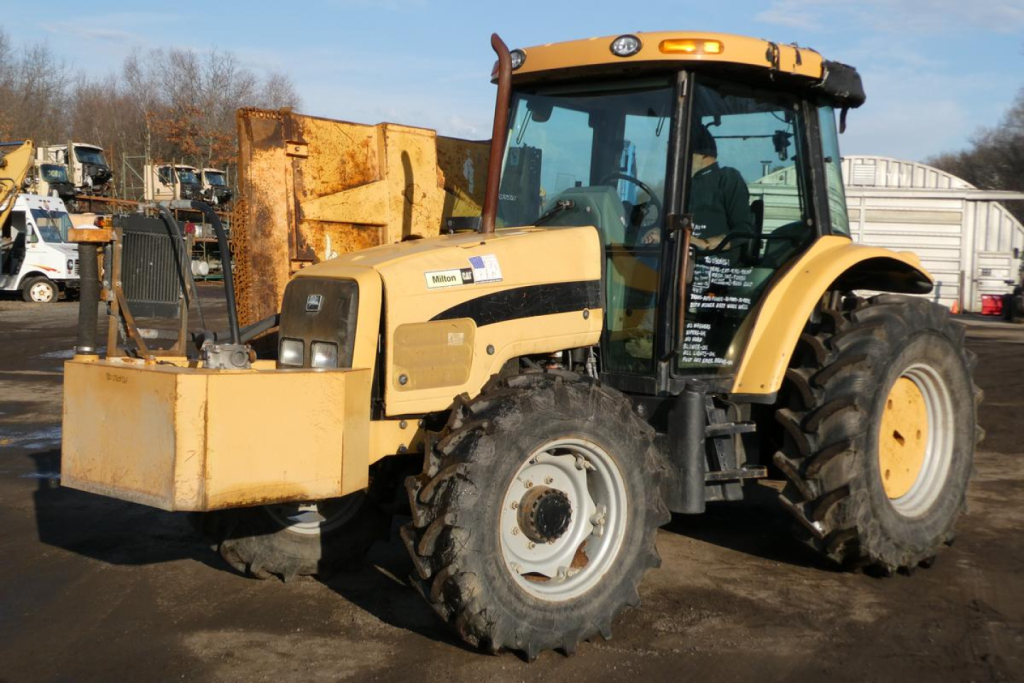
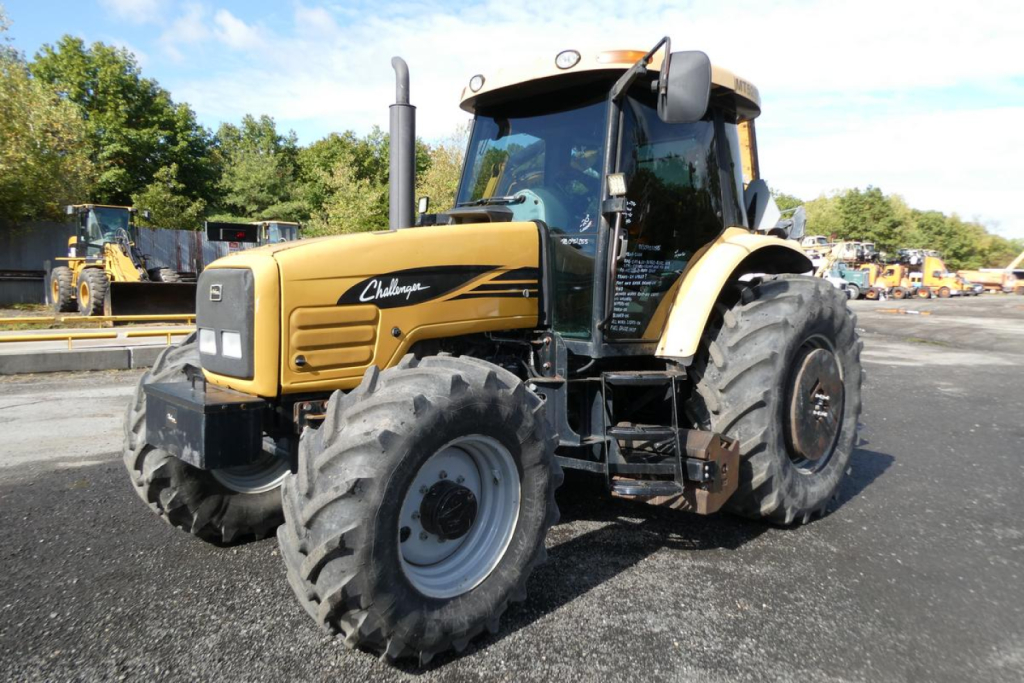
Have challenger trucking equipment to sell? List it here to reach thousands of buyers.
About Challenger Trucking Equipment
A close look at the spec sheet matters with Challenger equipment because the same brand can cover very different applications. Engine make and output, transmission type, 2WD versus 4WD, hydraulic capacity, PTO setup, tire size, and operating weight all affect field performance and transportability. Machines equipped with front or side-mounted mower systems, articulating boom arms, or auxiliary hydraulic circuits should be inspected for pump condition, hose wear, cylinder seepage, and frame stress around mounting points. If the unit will be used for roadside mowing, vegetation control, or municipal maintenance, visibility from the cab, mower reach, cooling system condition, and overall stability on uneven ground are more important than raw engine size alone.
Used Challenger units are often selected for durability, but condition varies widely based on prior use. Hour meter readings help, but service history is more important. Buyers should check for evidence of regular fluid changes, transmission response under load, axle and hub condition, steering play, brake performance, and electronic function inside the cab. On enclosed-cab machines, air conditioning, gauges, lighting, and control switches should all be tested, especially on units that have spent time in seasonal roadside service. Tire condition, tread type, and matching sizes also matter because replacement costs on large agricultural or flotation tires can materially change the total cost of ownership.
Challenger equipment can be a practical choice for contractors, municipalities, large-property operators, and agricultural users who need a machine that can handle mowing, utility work, field tasks, or roadside maintenance with the right attachment package. When comparing listings, pay attention to attachment compatibility, hydraulic setup, transport dimensions, and overall machine weight, since these factors determine where and how the equipment can actually be used. A well-matched Challenger machine can deliver strong productivity, but the best purchase is usually the one with the clearest maintenance record, the most suitable attachment configuration, and the least compromise between power, reach, and operating costs.
Frequently Asked Questions
What should I look for first when buying used Challenger equipment?
Start with the machine’s actual application setup. Confirm engine horsepower, transmission type, drive configuration, hydraulic functions, and any mounted attachment package such as a mower or boom system. After that, focus on condition items that affect cost quickly, including hydraulic leaks, tire wear, cooling system performance, cab electronics, and signs of structural fatigue around attachment mounts or articulation points.
Are Challenger machines mainly agricultural, or can they be used for roadside and municipal work?
Many Challenger machines are agricultural in origin, but some are configured for municipal and roadside maintenance with side mowers, boom arms, and specialty hydraulic systems. The important distinction is not the brand alone but the exact build. A machine set up for mowing shoulders, ditches, or rights-of-way will have different hydraulic demands, visibility requirements, and wear patterns than a field tractor used for seasonal farm work.
How important is 4WD on Challenger equipment?
4WD is a major advantage when the machine will operate on soft ground, slopes, road shoulders, or uneven terrain. It improves traction, stability, and control when carrying or powering heavy attachments. For lighter-duty work on firm surfaces, a 2WD machine may be adequate, but most buyers looking at multi-purpose Challenger equipment place a premium on 4WD because it expands the machine’s usable conditions.
Do hours tell the full story on a used Challenger machine?
No. Hours are helpful, but they do not tell the full maintenance story. A machine with moderate hours and poor hydraulic or drivetrain care can be a risk, while a higher-hour unit with documented service may be the better buy. Look for maintenance records, evidence of regular fluid and filter service, clean engine operation, smooth transmission function, and attachments that operate correctly under load.
Why does attachment compatibility matter so much on Challenger equipment?
Attachment compatibility affects productivity, repair cost, and how quickly the machine can be put to work. Hydraulic flow requirements, mounting geometry, PTO needs, and control integration all need to match the intended implement. A Challenger machine may look attractive on paper, but if the mower, boom, or utility attachment is outdated, unsupported, or difficult to source parts for, operating costs and downtime can rise quickly.