
Trucking Equipment For Sale in California
Browse trucking equipment for sale in California, including vocational trucks, specialty bodies, support equipment, and job-ready commercial units.
Learn more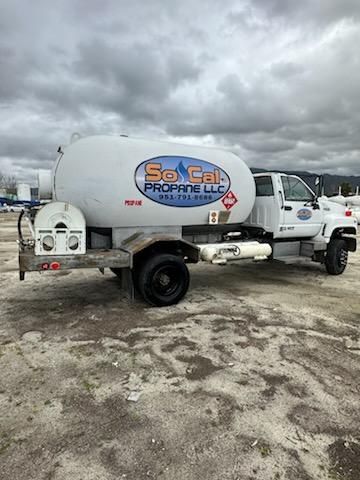
Have trucking equipment to sell? List it here to reach thousands of buyers.
About Trucking Equipment in California
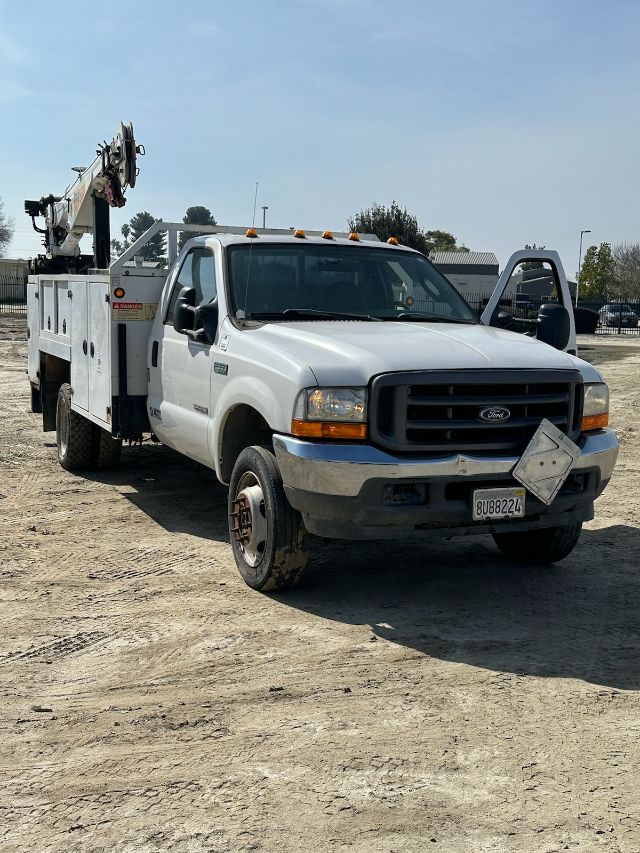
A smart evaluation starts with the upfit, not just the cab and engine. On equipment trucks, the value is often in the body, boom, tank, pump system, PTO setup, hydraulics, outriggers, hose reels, tool storage, or other installed gear. Buyers should look closely at body manufacturer tags, operating capacities, hour meters, hydraulic condition, corrosion around mounts, and any signs of frame modification. On tank or pressure-related units, shell thickness, capacity, pressure rating, temperature limits, inspection history, and the condition of valves and fittings matter as much as mileage. On aerial and utility equipment, platform capacity, working height, dielectric status if applicable, and wear in pins, bushings, and rotation components can tell you a lot about remaining service life.
California buyers also need to pay attention to emissions compliance, registration class, and operating environment. Diesel rules, CARB considerations, and local fleet requirements can affect what years and engine families make practical sense for your business. A truck that works well in a private yard fleet may not fit the same duty cycle if it needs to run daily in regulated urban areas. Rust is often less severe than in colder regions, but sun exposure, hydraulic hose aging, cab interior wear, and electrical issues from long outdoor storage are common inspection points. If the equipment will work in mountain grades, high-heat inland routes, or stop-and-go metro service, cooling system condition, brake spec, gearing, and PTO performance deserve extra attention.
Because this category covers many equipment types, the best comparison method is to match the unit to the actual application and cost of ownership. Buyers should confirm axle ratings, wheelbase, body dimensions, tank or lift certifications, maintenance records, and parts support for both chassis and upfit components. It is also worth checking whether the equipment uses common service parts or proprietary controls that can slow repairs. A well-matched piece of trucking equipment can replace multiple lighter-duty vehicles, improve uptime, and carry specialized tools or systems in one platform, which is why these units remain valuable across utility, service, and vocational fleets.
Frequently Asked Questions
What counts as trucking equipment in this category?
Trucking equipment typically refers to commercial trucks and specialty units that do not fit neatly into a standard tractor or trailer category. That can include aerial lift trucks, tank trucks, utility service bodies, vocational chassis, support vehicles, and other task-specific commercial equipment. The key distinction is that the truck is usually built around a job function, with the upfit, body, or onboard system being as important as the chassis itself.
What should I inspect first on used trucking equipment?
Start with the equipment system that generates the truck’s value. That means inspecting the boom, tank, hydraulics, PTO, pump, utility body, outriggers, controls, or other installed components before focusing only on engine mileage. Verify operating condition, check for leaks, corrosion, cracked mounts, worn pins and bushings, damaged hoses, and any missing safety hardware. After that, review frame condition, axle ratings, brake wear, tire condition, and the general service history of the chassis.
Are California emissions rules important when buying used trucking equipment?
Yes. In California, emissions compliance can directly affect where and how a truck can operate, especially for diesel-powered commercial equipment. Buyers should confirm engine year, emissions label information, registration status, and whether the unit fits current CARB-related operating requirements for the intended use. This is especially important for fleets running in urban areas, on public contracts, or across multiple regulated service regions.
How do I compare specialized equipment trucks with very different setups?
Compare them by application, capacity, and operating cost instead of by age alone. Look at GVWR, axle configuration, wheelbase, body size, PTO or hydraulic capability, equipment ratings, and how well the truck matches your daily work. A lower-mileage chassis may still be the weaker choice if the mounted equipment is outdated, unsupported, or undersized for the job. The best unit is the one with the right spec, serviceability, and legal compliance for your operation.
Why do maintenance records matter so much on vocational trucking equipment?
Maintenance records help confirm how both the truck and the installed equipment were cared for over time. On specialty units, service history for hydraulics, pumps, inspections, boom testing, tank certifications, and PTO-related repairs can be as important as engine and transmission work. Good records reduce guesswork, show whether safety and compliance items were addressed, and make it easier to estimate near-term repair costs after purchase.