
Bomag Trucking Equipment For Sale
Browse Bomag trucking equipment listings including compaction machines known for drum performance, hydrostatic drive, and jobsite durability.
Learn moreBrowse Bomag Trucking Equipment by Category
Have bomag trucking equipment to sell? List it here to reach thousands of buyers.
About Bomag Trucking Equipment
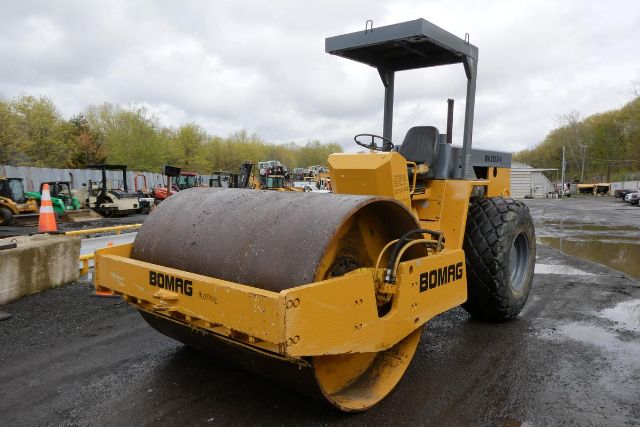
On used Bomag rollers, the core decisions usually come down to drum size, centrifugal force, engine type, and whether the machine fits your material and lift thickness. Smaller units can be easier to haul and better suited to residential development, trench backfill support, and lighter site work. Heavier Bomag compactors are more appropriate for highway shoulders, commercial pads, larger subdivisions, and deep soil compaction where ground coverage and drum impact matter more. Many older machines use dependable mechanical diesel engines from suppliers like Deutz or Cummins paired with hydrostatic transmissions, a combination buyers often value for straightforward field service and predictable parts support.
Condition is critical on this category because a roller can run and still have expensive faults in the vibration system, drum bearings, articulation joint, or hydraulic circuit. A serious buyer should check that the drum vibrates correctly under load, the propel system responds smoothly forward and reverse, and the machine holds grade without unusual noise or heat buildup. Inspect the drum shell for weld repairs, flat spots, and excessive wear, and look closely at steering articulation, center pin play, parking brake function, and tire condition on the rear axle. On open ROPS machines, seat condition, gauges, warning lights, and overall operator platform wear can tell you a lot about maintenance habits.
Bomag remains a recognized name in compaction because these machines are built for repetitive, high-load jobsite use and are commonly found in municipal fleets, road contractors, and earthwork operations. Buyers comparing Bomag equipment should match the machine to soil type, compaction target, haul plan, and parts access in their region. A lighter roller may be the right choice if mobility and lower transport cost are priorities, while a larger single drum vibratory model can deliver better production on demanding subgrade and fill work. For many buyers, the best Bomag unit is the one with a verified vibration system, clean hydraulic performance, and a weight class that fits the actual work instead of the biggest machine available.
Frequently Asked Questions
What types of Bomag equipment are most common on the used market?
The most common Bomag machines on the used market are single drum vibratory rollers and other compaction equipment used for soil, aggregate, and base preparation. These units are frequently found in roadbuilding, site development, and utility construction fleets. Buyers will often see smooth drum soil compactors with hydrostatic drive, diesel power, and either open ROPS or enclosed operator stations, depending on age and original specification.
What should I inspect first on a used Bomag vibratory roller?
Start with the vibration system, hydrostatic propel function, and articulation area because those components heavily affect repair cost and machine usability. A roller may move under its own power and still have a failed eccentric shaft, worn drum bearings, hydraulic weakness, or excessive center joint play. Drum shell condition, rear tire wear, brake function, gauges, and signs of overheating or fluid leaks should also be checked before purchase.
How do I choose the right Bomag roller size?
Choose roller size based on soil conditions, required lift thickness, target density, and how often the machine will be transported. Lighter machines are easier to haul and work well on smaller pads, shoulders, and residential site prep. Heavier Bomag rollers generally provide better compaction performance on larger commercial jobs, road work, and deep fill applications where drum width, operating weight, and vibration energy directly affect production.
Are older Bomag machines still practical to own?
Older Bomag equipment can still be a practical buy if the machine has strong vibration performance, sound hydraulics, and a serviceable engine platform. Many older units use mechanical diesel engines and simpler control systems, which can appeal to owners who want easier troubleshooting and less electronic complexity. The key is confirming parts availability for the exact model and making sure major wear items in the drum, articulation joint, and hydraulic system are not already at the end of their service life.