
Truck Body Only - Flatbed Truck Parts For Sale in Florida
Shop flatbed truck bodies for sale, including steel and aluminum platforms, dump-ready builds, mounting specs, and work-truck body options.
Learn moreBrowse Truck Body Only - Flatbed Truck Parts by Make
Have truck body only - flatbed truck part to sell? List it here to reach thousands of buyers.
About Truck Body Only - Flatbed Truck Parts in Florida
The main build decision is steel versus aluminum. Steel flatbed bodies are typically favored for severe-duty use, equipment hauling, landscape materials, and applications where weld-on accessories, headache racks, or dump conversions are part of the plan. Aluminum flatbeds cut tare weight and can improve payload or fuel efficiency, which matters for delivery fleets and operators trying to stay under GVWR limits. Floor thickness, crossmember spacing, longsill design, and rear apron construction all affect long-term durability. On heavier builds, buyers should pay attention to channel or tubular crossmembers, bulkhead reinforcement, side rail design, and how the body distributes weight across the chassis frame.
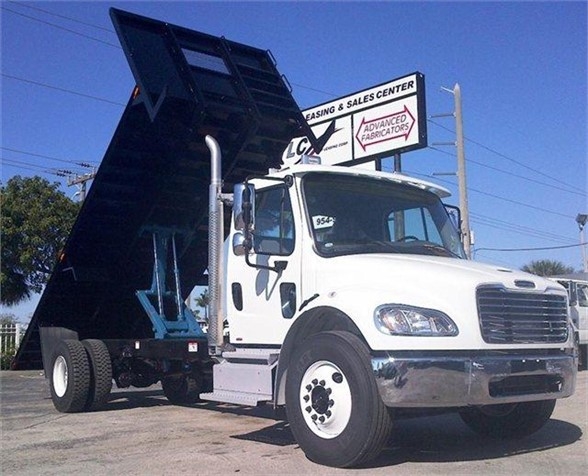
Useful options vary by trade. A basic platform body may include stake pockets, rub rails, tie-down points, and LED marker lighting. More specialized flatbed truck bodies may be equipped with gooseneck or receiver hitches, underbody toolboxes, winches, rear ICC bumpers, mud flap brackets, tarp systems, or crane reinforcement. Some are built as flatbed dump bodies with hoists, PTO provisions, hinge assemblies, and reinforced subframes. If the body is being installed on a medium-duty truck like a Freightliner M2, Ford F-650, International MV, or similar chassis, cab-to-axle measurement, frame width, and clearances behind the cab are critical. Buyers should also confirm bulkhead height, walk-through or cab shield design, and lighting placement before installation.
A good flatbed body should match the truck’s wheelbase, axle ratings, and the actual work being done. A contractor hauling palletized material needs a different deck layout than a municipality hauling equipment or a tree service carrying debris and machinery. Look closely at body width, kingpin-free clearance around hitches if towing is part of the job, tie-down access from the ground, and whether the rear structure allows liftgate, hitch, or trailer plug integration. The best value usually comes from a body that fits the chassis cleanly, supports the intended payload without excessive weight, and includes the reinforcement and accessories needed to avoid expensive modifications later.
Frequently Asked Questions
What should I measure before buying a flatbed truck body only?
The most important measurements are cab-to-axle, frame rail width, overall wheelbase, and the desired finished body length. Buyers should also verify rear tire clearance, behind-cab clearance for bulkheads or headache racks, and any PTO or hoist space needed for a dump configuration. A body that matches the chassis correctly will mount more cleanly, distribute weight better, and reduce costly fabrication during installation.
Is a steel or aluminum flatbed body better?
Steel flatbed bodies are generally better for severe-duty work, abrasive cargo, and applications that need heavy reinforcement or custom weld-on accessories. Aluminum flatbeds are preferred when lower body weight, corrosion resistance, and higher usable payload are priorities. The right choice depends on how the truck is loaded, where it operates, and how long the owner plans to keep it in service.
Can a flatbed body be configured as a dump body?
Yes, some flatbed bodies are built or reinforced for dump use with a hoist, hinge assembly, PTO setup, and subframe structure. A true flatbed dump body needs proper engineering for lifting geometry, rear hinge placement, and frame support. Buyers should confirm that the body, hoist, and truck chassis are all rated to work together safely under load.
What features matter most on a work-ready flatbed body?
The most useful features depend on the job, but buyers often look for stake pockets, rub rails, tie-downs, bulkheads, LED lighting, underbody storage, mud flap brackets, and rear towing provisions. For equipment hauling, winches, strap storage, and reinforced side rails can be important. For contractor and municipal use, durable flooring, corrosion protection, and easy cargo access usually matter more than appearance.
Why does corrosion protection matter so much for flatbed bodies in Florida?
Florida trucks often operate in humid conditions with salt air, frequent rain, and jobsite exposure that can accelerate rust and electrical issues. Protective coatings, aluminum components, sealed harnesses, and stainless hardware can extend service life and reduce maintenance. Corrosion protection is especially important on crossmembers, lighting connections, hinges, toolbox mounts, and other hard-to-clean areas.