
Advanced Fabricators Truck Body Only - Flatbed Truck Parts For Sale in Florida
Advanced Fabricators flatbed truck bodies for sale. Compare steel flatbed body specs, lengths, hoist options, deck construction, and work-ready features.
Learn more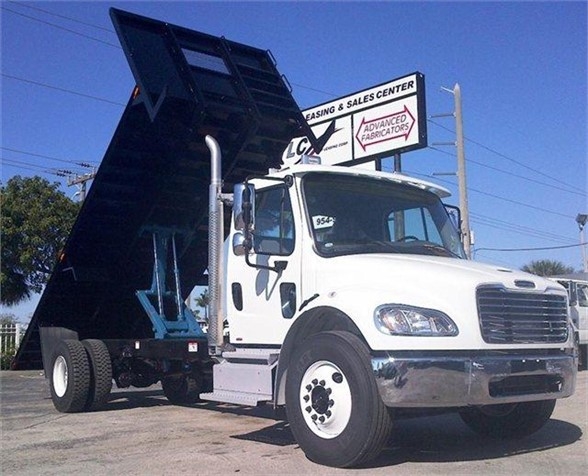
Have advanced fabricators truck body only - flatbed truck part to sell? List it here to reach thousands of buyers.
About Advanced Fabricators Truck Body Only - Flatbed Truck Parts in Florida
For work applications, these bodies often serve contractors, equipment haulers, building supply delivery, agriculture, municipalities, and mixed-use fleets that need open deck access from the sides and rear. Common construction details include steel floors, channel side rails, structural channel longsills, formed or channel crossmembers, bulkheads or headboards, rear ICC bumper setups, mud flap brackets, and stake or tie-down provisions. If the body is intended for securing machines, pallets, or bundled material, buyers should look closely at winch placement, rub rail design, tie-down points, and deck height relative to loading equipment. A heavy-duty bulkhead with grab handles and steps can make a real difference in daily safety and usability.
The biggest buying decision is often fixed flatbed versus flatbed dump body. A dump-style flatbed adds cost and weight, but it expands the truck's use for debris, demolition material, landscape products, and loose bulk loads. On that type of build, hoist geometry, hinge placement, PTO compatibility, and rear frame reinforcement are critical. Buyers should confirm the hoist rating matches the intended payload and that the subframe, boxed longsills, and gusseting are built for repeated lift cycles, not just static carrying. On a body-only purchase, installation details also matter. Verify cab-to-body clearance, walk-behind cab space, mounting method, chassis frame compatibility, exhaust routing, light placement, and how accessories such as tool baskets, tow hooks, or backup alarms are integrated.
A well-spec'd Advanced Fabricators flatbed body should be judged by fit for the job, not just deck length. Floor thickness, crossmember centers, rail construction, lighting protection inside the side rails, and the quality of welds and finish all affect long-term value. Buyers comparing listings should also consider legal and operational details such as overall body width, ICC compliance, visibility lighting, payload impact, and how the body will interact with axle ratings on the receiving chassis. The best flatbed body is the one that matches the load type, loading method, and duty cycle without forcing costly modifications after installation.
Frequently Asked Questions
What should I look for first when buying a flatbed truck body only?
Start with the body's intended application and the chassis it will be mounted on. Length, width, floor thickness, crossmember spacing, longsill design, and bulkhead construction determine whether the body will handle palletized material, equipment, pipe, or loose jobsite loads. A body-only purchase also requires close attention to frame compatibility, cab clearance, mounting points, rear overhang, and accessory integration so the installation does not create avoidable fabrication costs.
What is the difference between a fixed flatbed body and a flatbed dump body?
A fixed flatbed body is designed primarily for carrying and securing cargo on an open deck, while a flatbed dump body adds a hoist system so the deck can raise and discharge material. Dump-capable flatbeds are more versatile for contractors and municipal work, but they add weight, complexity, and maintenance points. Buyers should evaluate PTO requirements, hoist rating, hinge placement, frame reinforcement, and how much payload capacity is lost compared with a non-dumping body.
Are steel flatbed bodies better than aluminum for vocational use?
Steel flatbed bodies are generally preferred for severe-duty vocational applications because they handle concentrated loads, rough loading practices, and repeated jobsite use well. They are commonly chosen for contractor, equipment, and dump applications where durability matters more than tare weight. Aluminum can improve payload and corrosion resistance, but for body-only vocational builds like heavy flatbeds or flatbed dumps, steel is often the stronger and more economical choice if it is properly painted and maintained.
How important are crossmember spacing and floor thickness on a flatbed body?
They are two of the most important structural details on the body. Tighter crossmember spacing helps support concentrated loads and reduces deck flex, while thicker floor plate better resists denting, wear, and fatigue from forklifts, pallets, and equipment. If the truck will carry point loads, machinery, or construction material, buyers should not treat these specs as minor details because they directly affect durability, load stability, and repair frequency.
What installation details matter most on a body-only flatbed purchase?
The key details are chassis frame dimensions, axle placement, cab-to-axle measurement, body setback from the cab, exhaust and DEF clearance where applicable, electrical connection layout, lighting compliance, and rear underride or ICC bumper positioning. If the body includes a hoist, tool basket, steps, grab handles, tow hooks, or custom lighting, those features should be reviewed as part of the installation plan rather than after the body arrives. Good fit-up reduces downtime and prevents expensive rework.