
Cab Truck Parts For Sale in New York
Shop cab truck parts including shells, doors, dash components, seats, glass, and trim for heavy-duty truck cab repairs and rebuilds.
Learn moreBrowse Cab Truck Parts by Make
Have cab truck part to sell? List it here to reach thousands of buyers.
About Cab Truck Parts in New York
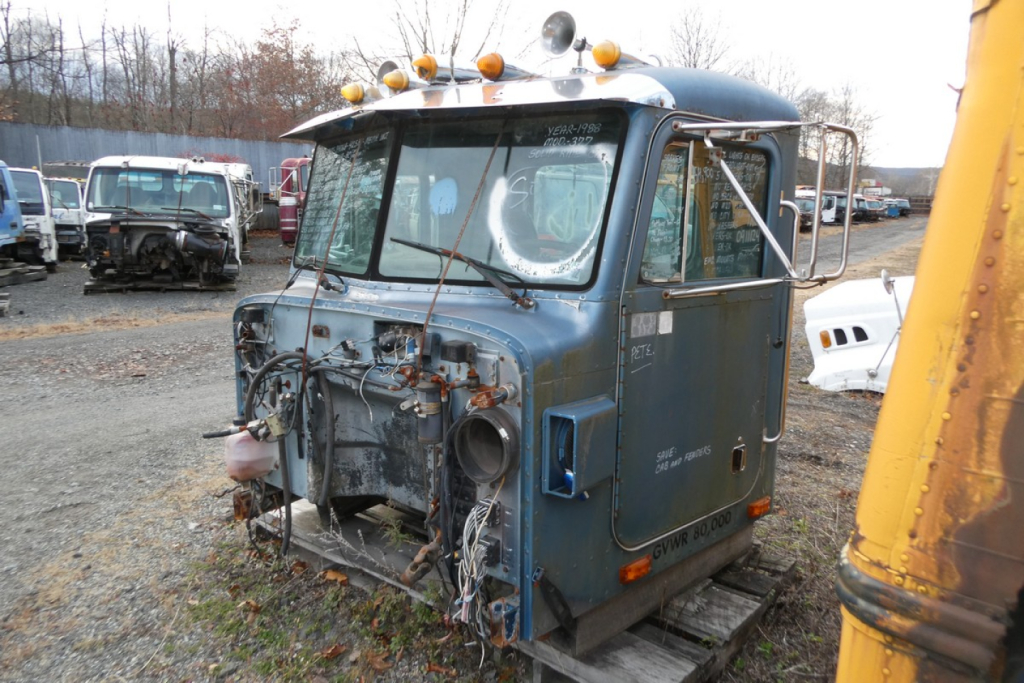
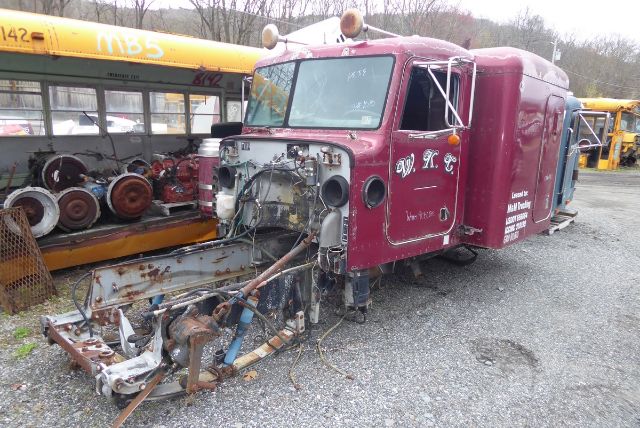
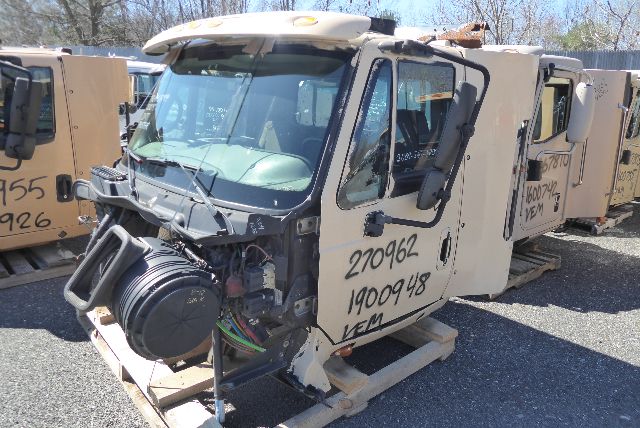
For collision repair or a full cab swap, the big decision is complete cab assembly versus individual replacement parts. A complete cab can save labor when the damage involves multiple structural areas like A-pillars, firewall sections, roof skin, and floor pan. Individual parts make more sense when the cab structure is still sound and the repair is limited to doors, interior trim, seats, or instrument panels. Buyers should inspect cab mounts, hinge points, door latch areas, windshield frame condition, and any signs of rust around floor seams and lower corners. In rust-belt markets like New York, corrosion around steps, cab supports, and lower door skins is a common issue and often matters as much as visible exterior condition.
Interior and driver-contact components deserve close attention because they affect uptime and driver comfort every day. Dash panels, HVAC controls, heater boxes, window regulators, steering columns, bunk trim, and seat bases often wear out before the cab itself is finished. Electrical compatibility is also a major factor. Gauge clusters, switch panels, multiplex wiring, and cab harness sections may vary by engine package and trim level, so buyers should confirm connector style, VIN break, and OEM part numbers when possible. If the goal is to restore an older vocational or highway truck, used OEM cab parts often provide a better fit than aftermarket pieces, especially for interior plastics and model-specific trim.
Cab parts are also commonly sourced for rebuilds of salvage trucks, glider projects, vocational fleet refurbishments, and older long-hood highway models where new OEM support may be limited or expensive. A buyer comparing listings should look beyond the basic label of "cab" and verify exactly what is included: bare shell, doors, glass, seats, dash, wiring, mirrors, or sleeper components. Shipping and handling matter too, since larger cab sections require careful freight planning and smaller items like trim, latches, and controls are often the most practical way to complete a hard-to-find repair. The best purchase is the one that matches the truck's configuration closely enough to reduce fabrication, wiring changes, and downtime.
Frequently Asked Questions
What should I verify before buying a used truck cab or cab part?
Confirm the make, model, year range, cab style, and sleeper or day cab configuration first. Then verify interchange details such as door design, dash layout, windshield style, mount locations, wiring connectors, and OEM part numbers. On used cab parts, inspect for rust in lower seams, hinge wear, previous repairs, cracked mounting points, and any missing interior components that could add cost later.
Is it better to buy a complete cab or individual cab parts?
A complete cab usually makes sense when damage extends across multiple structural areas or when labor savings outweigh the higher freight and purchase cost. Individual parts are often the better choice when the main cab structure is still solid and only specific components like doors, seats, dash pieces, glass, or trim need replacement. The right choice depends on the amount of damage, labor rates, parts availability, and how closely a replacement assembly matches the original truck.
Are cab parts interchangeable between different truck years and models?
Some cab parts interchange across certain year ranges, but many do not. Manufacturers often change dash systems, door hardware, glass profiles, HVAC layouts, mirrors, and wiring during a production run. Even when a part looks similar, mounting points or connectors may differ. Buyers should use VIN information, OEM numbers, and detailed photos to confirm compatibility before purchasing.
What cab issues are most common on trucks used in New York and other rust-belt states?
Corrosion is a major concern, especially around floor pans, cab mounts, step areas, lower door skins, windshield frames, and lower cab corners. Road salt accelerates rust in seams and hidden structural areas that may not be obvious in listing photos. Buyers should also watch for water intrusion, seized window regulators, worn door hinges, and damaged interior components caused by moisture and repeated freeze-thaw cycles.