
Double Eagle Cab Truck Parts For Sale in New York
Shop Double Eagle cab truck parts including cab shells, doors, panels, mounts, and interior components for compatible heavy-duty truck repairs.
Learn more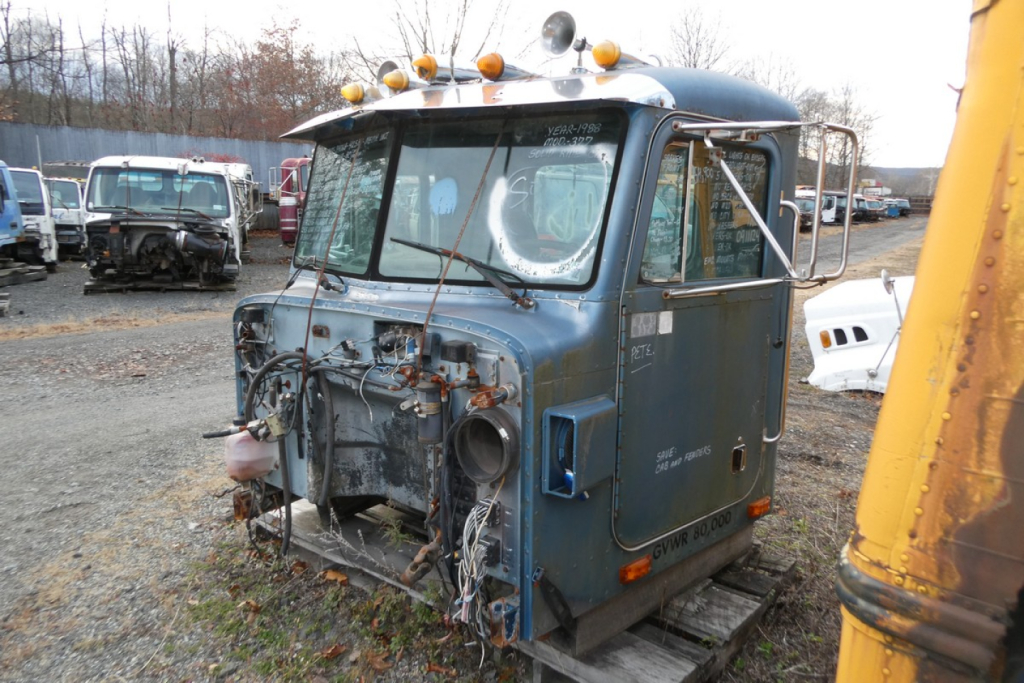
Have double eagle cab truck part to sell? List it here to reach thousands of buyers.
About Double Eagle Cab Truck Parts in New York
For older Double Eagle applications, buyers should confirm the underlying truck platform and any cross-reference to the OEM chassis the cab was built around or paired with. Cab compatibility can change with model year, hood length, firewall layout, steering column position, sleeper interface, and mounting arrangement. Door openings, pedal cutouts, dash support structure, and back wall configuration should all be checked before purchase. If the cab is being used for a rebuild rather than a full swap, details like solid-ride versus air-ride mounting, seat base style, mirror bracket provisions, and windshield size can affect parts interchange.
Condition is everything in used cab parts. Look closely for rust at the floor pans, cab corners, drip rails, lower door frames, and around the windshield opening. Stress cracks near hinges, prior collision repair, and distortion at the A-pillars or roof skin can turn a low-cost cab into an expensive fit-up job. Interior completeness also affects value. Missing seats, dash assemblies, trim panels, wiring, or HVAC components may not matter for a shell-only repair, but they do add sourcing time and labor if the goal is a more complete cab rebuild.
A good Double Eagle cab part is one that saves fabrication time and preserves alignment. Buyers comparing listings should focus on structure first, then mounting style, then completeness. Clear photos of the floor, rear wall, door jambs, hinge pockets, and underside are often more important than exterior paint. For older trucks, it is also smart to verify VIN-related application details, donor truck specifications, and any included hardware before committing, especially when trying to match legacy components that are no longer easy to source new.
Frequently Asked Questions
What should I check first when buying a used Double Eagle cab?
Start with structural condition and fitment. Check the floor, cab corners, windshield frame, roof, hinge areas, and mounting points for rust, cracking, or previous repair. Then confirm the donor cab matches your truck’s mounting style, firewall layout, door configuration, and any sleeper or hood-related dimensions. A cab that looks complete but has bad mount points or hidden corrosion can cost more to repair than it is worth.
Are Double Eagle cab parts interchangeable with other truck makes or models?
Some components may cross over, but interchange should never be assumed. Older specialty or low-volume cabs can share design features with a base truck platform, yet differences in mounts, dash structure, glass openings, steering column placement, and rear wall layout can make a similar-looking part unusable. Buyers should compare part numbers when available and verify measurements, year range, and donor truck details before purchase.
Does cab mounting style matter when buying a replacement cab or cab section?
Yes. Solid-ride and air-ride cab setups can require different mounts, brackets, and alignment points. Even when the shell is similar, the mounting system affects installation labor and compatibility with the chassis. Buyers should inspect the underside of the cab, identify the mount locations, and confirm that the replacement will work with their existing suspension, steering, and pedal setup.
What cab damage is usually repairable, and what damage is a red flag?
Replaceable skins, bolt-on doors, minor floor patching, and localized cosmetic damage are often manageable. Red flags include severe rust through the firewall or windshield frame, twisted door openings, cracked hinge pockets, crushed cab corners that affect alignment, and major prior repairs that hide structural distortion. If the cab will not hold door gaps or mount squarely to the frame, the labor can exceed the value of the part.
Is an incomplete cab still worth buying for parts?
It can be, depending on the repair goal. A cab missing seats, mirrors, trim, or dash pieces may still be a strong buy if the shell, mounts, and structural sections are sound. For buyers doing collision repair or replacing a rusted cab core, straight metal and correct fitment usually matter more than interior completeness. For a full restoration or turnkey rebuild, missing interior and electrical components can add significant cost and delay.