
PJ Utility Trailers For Sale in New York
Browse PJ utility trailers built for hauling equipment, ATVs, mowers, and materials with practical deck sizes, ramps, and durable steel construction.
Learn more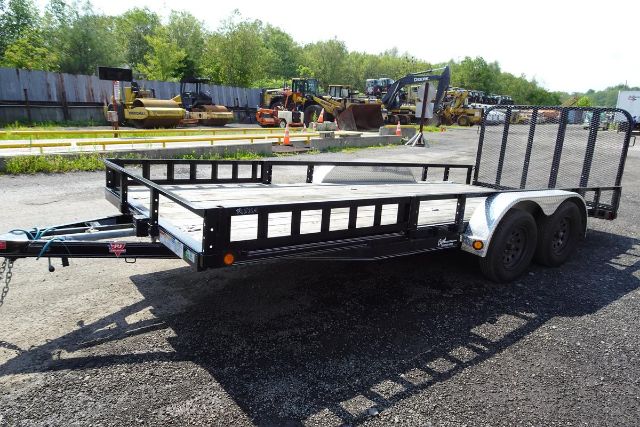
Have pj utility trailer to sell? List it here to reach thousands of buyers.
About PJ Utility Trailers in New York
A typical PJ utility trailer in this class uses tandem axles, spring suspension, electric brakes, a treated wood floor, and steel angle or pipe top rails with expanded metal sides or rear gate sections. Common GVWR ratings often fall around 7,000 pounds, though exact capacity depends on axle package, trailer weight, and configuration. Buyers should pay close attention to usable deck length versus overall trailer length, as a few extra feet can make a major difference when loading equipment with attachments. Rear ramp gates and removable side ramps are especially useful when the trailer needs to handle both wheeled equipment and loose materials. Tire size, wheel bolt pattern, deck height, and coupler setup also matter because they affect load angle, replacement part availability, and tow vehicle compatibility.
In New York, corrosion resistance and winter durability deserve extra attention. Road salt, freeze-thaw cycles, and seasonal storage can accelerate wear on wiring, brake components, and exposed steel. A buyer comparing PJ utility trailers should inspect the frame, crossmembers, weld quality, wiring protection, breakaway system, jack, safety chains, and condition of the wood deck. On used trailers, check for bent rails, ramp fatigue, uneven tire wear, brake function, and any signs that the axles have been overloaded or knocked out of alignment. If the trailer will see frequent commercial use, features like sealed wiring, sturdy fenders, stake pockets, tie-down points, and easy-to-service brake components can save time and money over the long term.
The best PJ utility trailer is the one that matches the load, not just the price tag. A lighter-duty trailer may work well for homeowner use and occasional machine transport, while commercial mowing and equipment crews usually benefit from heavier frame construction, better ramp support, and enough payload margin to avoid running at the limit every trip. If your work includes compact equipment, measure machine width, attachment overhang, and tongue weight distribution before choosing a trailer. A well-matched PJ utility trailer should tow predictably, load safely, and hold up to repeated use without turning routine maintenance into a constant chore.
Frequently Asked Questions
What are PJ utility trailers commonly used for?
PJ utility trailers are commonly used to haul lawn equipment, ATVs, small tractors, compact machines, pallets, fencing supplies, and general jobsite materials. They are popular with landscapers, farms, municipalities, and contractors because the open design makes loading simple and keeps trailer weight lower than many enclosed or equipment-specific options.
What should I look for when buying a used PJ utility trailer?
Focus on structural condition first. Check the frame rails, crossmembers, tongue, ramp hinges, welds, and coupler for cracks, repairs, or signs of overload. Then inspect brake operation, wiring, breakaway battery, tire wear, axle alignment, wheel bearings, deck boards, and corrosion around spring hangers and fenders. A utility trailer can look acceptable from a distance and still need immediate brake, tire, or deck work.
Is a 7,000-pound GVWR PJ utility trailer enough for equipment hauling?
A 7,000-pound GVWR trailer is a common choice for mowers, ATVs, side-by-sides, and some compact tractors, but payload depends on the trailer's empty weight. If the trailer weighs around 2,000 pounds, actual cargo capacity is closer to 5,000 pounds before accounting for accessories and securement gear. Buyers hauling denser equipment or attachments should confirm machine operating weight and leave a safety margin instead of loading to the limit every trip.
Why do deck length and ramp style matter on a utility trailer?
Deck length affects more than cargo space. It changes how easily equipment fits with attachments installed, how weight can be distributed over the axles, and how many tie-down positions remain usable after loading. Ramp style matters because a full mesh gate works well for light equipment and hand loading, while heavier removable ramps or side ramps are often better for machines with higher axle loads or specialized loading patterns.
Are PJ utility trailers a good fit for New York conditions?
They can be, provided the trailer is maintained with corrosion in mind. In New York, buyers should pay close attention to paint condition, exposed steel, brake backing plates, wiring, connector health, and any rust around the underside. Regular washing, brake service, deck treatment, and prompt repair of chipped paint or damaged wiring are important if the trailer will be used through winter or stored outdoors.