
Used Trailers For Sale in South Dakota
Browse used trailers for sale in South Dakota, including dry vans, reefers, and flatbeds with specs that matter for freight, weather, and uptime.
Learn morePopular Trailers Categories
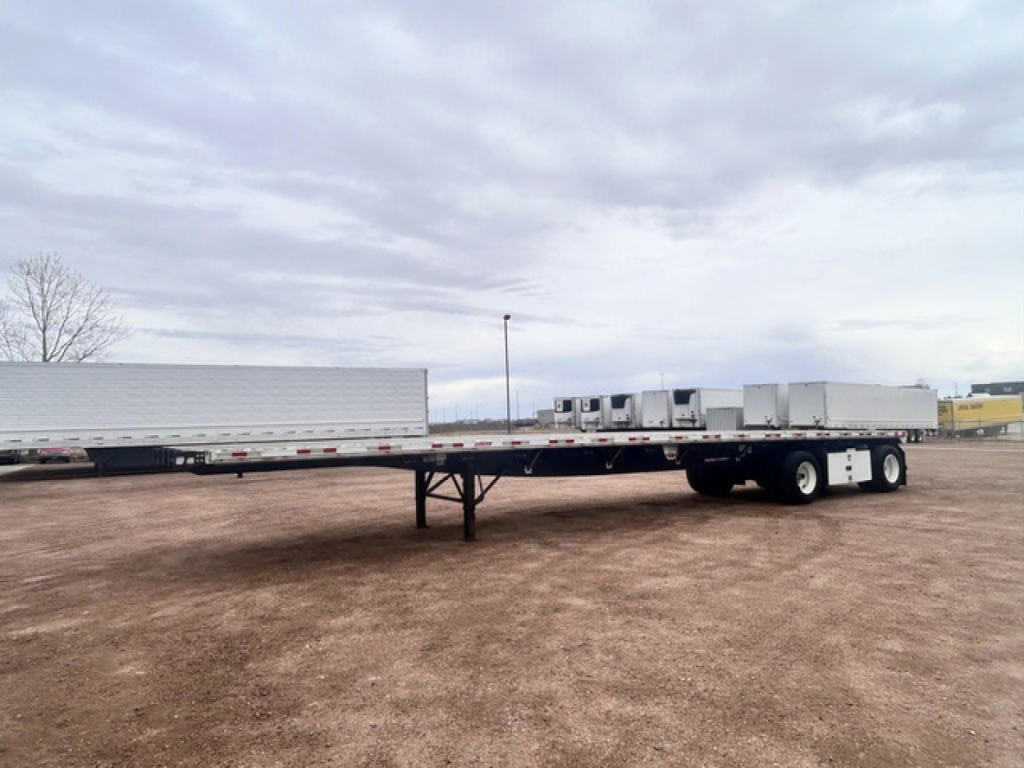
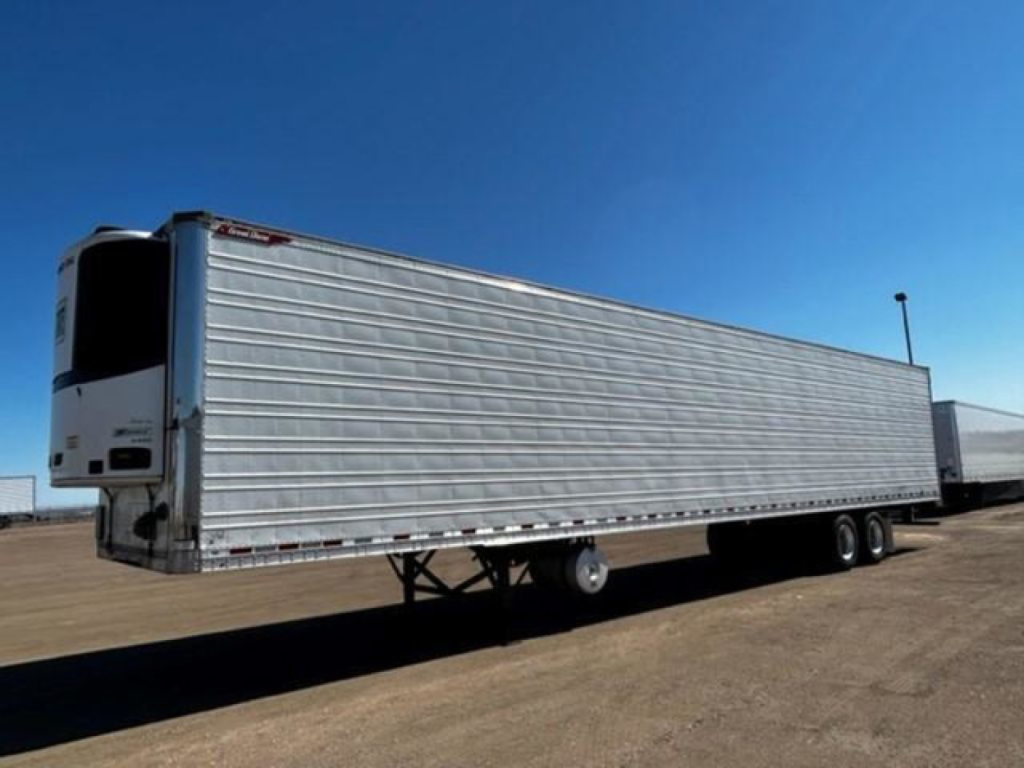
Showing 25 to 26 of 26 results
Have used trailer to sell? List it here to reach thousands of buyers.
About Used Trailers in South Dakota
For dry van and reefer buyers, interior condition matters as much as exterior appearance. Look closely at roof integrity, sidewall repairs, crossmember condition, door frame alignment, and the condition of the lining, especially on high-cycle freight trailers. Metal and composite liner systems such as Versitex or similar materials can tell you a lot about prior use and impact damage. On refrigerated trailers, reefer unit model, engine hours, service history, fuel system condition, evaporator performance, and door seal integrity are major value drivers. Features like tire inflation systems, stainless rear doors, rear door vents, and exterior rub rails can add durability and lower operating interruptions, especially on regional and multi-stop work.
Flatbeds, also known as open-deck trailers, need a different inspection mindset. Straight rails, floor condition, landing gear operation, winch track condition, toolbox setup, and evidence of concentrated load damage all matter. A 48-foot flatbed is still a common choice for steel, lumber, machinery, and ag-related freight in South Dakota, where road conditions, seasonal weather, and mixed highway use can expose weak brakes, worn bushings, and neglected suspension components quickly. Buyers should also check tire date codes, remaining tread depth across all wheel positions, brake shoe life, slack adjusters, and signs of uneven wear that may point to alignment or axle issues.
South Dakota buyers often balance price against downtime risk, so the best used trailer is rarely just the lowest-cost unit. It is the one with the right body style, legal payload potential, and maintenance profile for the lanes it will run. Reefer buyers may prioritize unit hours and insulation performance. Dry van buyers may focus on cube, dock compatibility, and interior cleanliness. Flatbed buyers may put more value on deck condition and structural straightness. Across all trailer types, common decision points include trailer length, suspension, door style, liner material, tire condition, brake condition, and signs of prior repair that affect long-term service life.
Frequently Asked Questions
What types of used trailers are most common in South Dakota?
Dry vans, refrigerated trailers, and flatbeds are the most common used trailer types in South Dakota. Dry vans handle general freight and retail distribution, reefers serve food, dairy, meat, and temperature-sensitive agricultural loads, and flatbeds are widely used for construction materials, equipment, steel, and farm-related freight. Buyers usually start by matching the trailer type to freight requirements, then narrow the search by length, suspension, and overall condition.
What should I inspect first on a used reefer trailer?
Start with the refrigeration unit model, total hours, and documented service history. Then inspect the trailer body for insulation-related issues, door seal condition, lining damage, floor wear, and roof integrity. The reefer unit may run well during a short test, but deferred maintenance in the unit, evaporator, wiring, or fuel system can turn into expensive downtime. Tire condition, brake life, and air ride performance should also be checked because trailer roadability matters just as much as refrigeration performance.
Is air ride suspension worth it on a used trailer?
Air ride suspension is a strong value point on many used trailers because it improves ride quality, helps protect sensitive freight, and is widely preferred in van and reefer applications. It can also be a benefit on flatbeds hauling higher-value or damage-prone loads. The tradeoff is that air systems add components that need inspection, including bags, valves, shocks, and ride height settings. On a used trailer, the value of air ride depends on condition and maintenance, not just the presence of the option.
How do I evaluate a used flatbed trailer for structural condition?
Check for straight main rails, signs of weld repairs, deck wear, damaged crossmembers, and any evidence of overloading or concentrated point loading. Inspect the winch track, rub rail, stake pockets, landing gear, and suspension mounts. A flatbed may look acceptable from a distance but still have deck fatigue or frame issues that affect securement and long-term durability. Brake and tire condition are also critical because many flatbeds see mixed-use service and seasonal hauling demands.
What trailer length is most practical for used trailer buyers?
The most practical trailer length depends on the freight and operating area, but 53-foot trailers are the standard for van and reefer work, while 48-foot lengths remain common in flatbed applications. A 53-foot trailer typically offers the best cargo volume and broad load compatibility for highway freight. A 48-foot flatbed can be easier to position on certain jobsites and remains a common fit for building materials, steel, and machinery. Buyers should confirm length requirements against customer freight, state routing, and dock or yard constraints.