
Trailmobile Trailers For Sale
Shop Trailmobile trailers for sale, including dry van and plate van models with common specs, suspension options, door styles, and cargo features.
Learn moreBrowse Trailmobile Trailers by Category
Showing 13 to 21 of 21 results
Have trailmobile trailer to sell? List it here to reach thousands of buyers.
About Trailmobile Trailers
The spec decisions that matter most usually start with suspension, axle configuration, and door style. Tandem axle slider setups are common on full-size Trailmobile vans because they give operators flexibility on bridge laws, dock positioning, and weight distribution. Spring ride units are straightforward and typically cost less to maintain, while air ride is preferred for more fragile freight and improved cargo protection. Swing doors are still popular for full rear access at the dock, but roll-up doors can make sense in route work where overhead clearance and quick stop efficiency are more important.
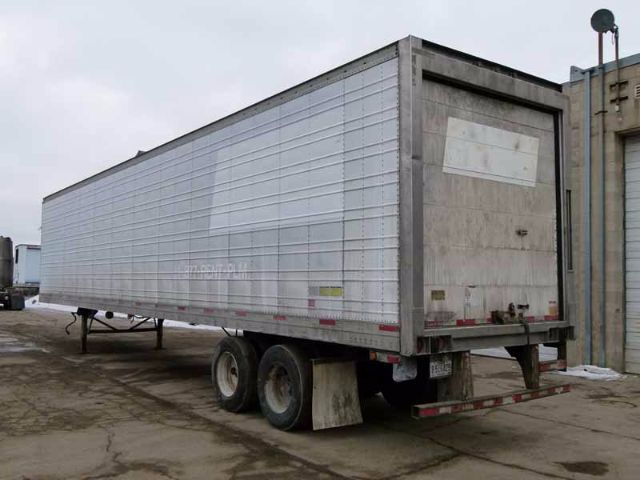
A closer look at cargo control features can tell you a lot about how a Trailmobile trailer was previously used. Logistics posts, E-track, threshold plates, and scuff liners point to freight handling environments where repeated loading cycles were expected. On older dry vans, floor condition, crossmember integrity, roof bows, door frame alignment, and signs of rail or lower sidewall damage deserve close inspection. If the trailer has a sliding tandem, check slider box wear, locking pin engagement, and evidence of corrosion around the suspension mounts. Tire size, wheel type, landing gear condition, and DOT-ready lighting are also practical indicators of how much reconditioning may be needed.
For many fleets and owner-operators, Trailmobile trailers remain a practical choice because parts support is familiar, specs are straightforward, and the trailers are commonly configured for standard van freight. A 53-foot x 102-inch dry van is the mainstream option for long-haul and regional work, while a 48-foot van can still fit certain dedicated lanes and warehouse networks. Buyers comparing units should focus less on model name alone and more on actual trailer spec, prior application, structural condition, and whether the suspension, door arrangement, interior lining, and axle setup match the freight they intend to haul.
Frequently Asked Questions
What types of Trailmobile trailers are most common on the used market?
The most common Trailmobile trailers on the used market are dry van and plate van trailers. Full-size 48-foot and 53-foot vans are widely used for general freight, while shorter pup trailers around 28 feet are often found in city delivery, LTL, and P&D service. Most buyers will see tandem axle slider configurations on highway vans and single axle setups on smaller pups.
What should I inspect first on a used Trailmobile dry van trailer?
Start with the structural items that affect serviceability and repair cost. Check the floor for soft spots, patched sections, and forklift damage. Inspect the sidewalls, scuff liner area, rear frame, roof, and crossmembers for impact damage, corrosion, or previous repairs. On slider trailers, inspect the slider rails, locking pins, suspension mounts, and tandem alignment. Door seal condition, landing gear operation, tire wear, and lighting should also be reviewed before purchase.
Is spring ride or air ride better on a Trailmobile trailer?
That depends on the freight and operating environment. Spring ride is simple, durable, and often less expensive to maintain, which makes it common on dry vans in general freight service. Air ride offers better ride quality and reduced cargo shock, which can be important for delicate or high-value loads. If the trailer will handle mixed freight with frequent dock loading, either can work, but air ride usually carries an advantage in cargo protection.
Are roll-up doors or swing doors better on a Trailmobile van trailer?
Swing doors are generally preferred for maximum rear opening and unrestricted dock loading, especially on linehaul and warehouse freight. Roll-up doors are useful in route delivery or frequent-stop operations because they are faster to open and close and reduce the risk of door swing in tight areas. The tradeoff is that roll-up hardware takes interior space and can add maintenance over time.
What size Trailmobile trailer is best for my operation?
A 53-foot x 102-inch van is the standard choice for long-haul, regional van freight, and most dock-based freight networks. A 48-foot van may still fit certain dedicated contracts or older fleet standards. A 28-foot pup is better suited for city delivery, terminal operations, and tight urban routes where maneuverability is more important than cubic capacity. The right size depends on lane requirements, dock access, bridge laws, and the type of freight being loaded.