
Polar Tank Trailers For Sale in Texas
Browse Polar tank trailers for sale, including stainless and lined tanker configurations for chemical, food-grade, petroleum, and bulk liquid hauling.
Learn more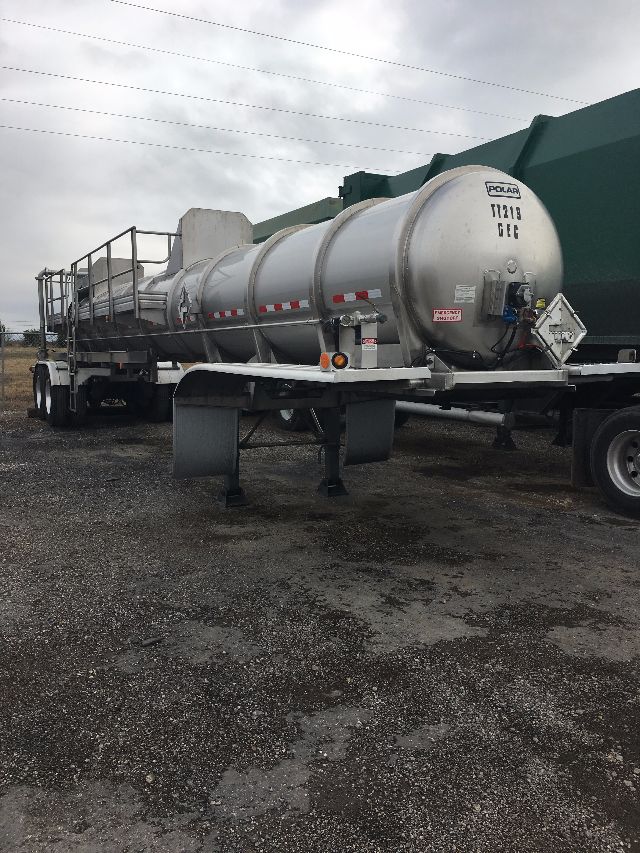
Have polar tank trailer to sell? List it here to reach thousands of buyers.
About Polar Tank Trailers in Texas
Common Polar configurations include straight round and elliptical barrels, single-compartment and multi-compartment tanks, and both rear and center discharge setups. Stainless steel barrels remain a popular choice for corrosive products, food products, and operations that need easier cleaning and long service life. Some chemical units use specialty linings such as Kynar for added resistance to aggressive commodities. Capacity can vary significantly by application, with smaller chemical tanks around the 3,000 to 4,000 gallon range and larger food-grade or general liquid tanks reaching 6,000 gallons and beyond. Buyers should also pay close attention to insulation, pressure or non-pressure manholes, vapor recovery equipment, overturn protection, pump systems, and valve package design.
Suspension, axle spacing, and wheel-end specs matter more in daily service than many buyers expect. Air ride suspension is common on Polar tank trailers because it helps protect sensitive liquid loads and improves ride quality. Aluminum wheels, stainless or aluminum fenders, and corrosion-resistant subcomponents can reduce long-term maintenance exposure, especially in high-wash environments. In Texas, bridge law, route density, and the type of terminal access can influence whether a buyer wants a shorter chemical trailer, a larger single-barrel food-grade unit, or a compartmented trailer for split loads. If the operation loads at multiple plants or unloads into tight customer sites, trailer length, discharge controls, and ladder or catwalk layout should be reviewed carefully.
A good Polar tank trailer purchase starts with compliance and product compatibility, then moves to condition and operating cost. Confirm the code stamp, test and inspection status, barrel material, lining condition, and any repair history before comparing price alone. Buyers in this category typically look closely at weld quality, barrel straightness, insulation integrity, manhole condition, internal cleanliness, suspension wear, and valve function. For food-grade service, 3-A sanitary details, surface condition, and cleanout access are critical. For chemical service, the right code, lining, and seal materials are just as important as gallon capacity. Matching the trailer to the commodity and the unloading method usually has a bigger impact on uptime than the badge on the nose.
Frequently Asked Questions
What is the difference between a non-code Polar tank trailer and a DOT coded Polar chemical tanker?
A non-code tank trailer is generally used for products that do not require a pressure-rated DOT specification tank, such as many food-grade or non-hazardous liquid commodities. A DOT coded tank, such as a DOT 407 or DOT 412, is built to meet specific federal requirements for hazardous or specialized chemical service. The correct choice depends on the exact commodity, required pressure rating, loading method, unloading method, and shipper requirements. Buyers should verify the code plate and intended product compatibility before purchase.
Are Polar tank trailers commonly used for food-grade hauling?
Yes. Polar is well known in food-grade tanker service, especially in stainless steel sanitary configurations. Buyers hauling milk, edible oils, sweeteners, and other food products typically look for stainless barrels, insulated construction when temperature control matters, sanitary fittings, and 3-A details where required. Cleanability, internal finish, and discharge design are important because washout time and product integrity directly affect operating efficiency.
What should I check on a used Polar tank trailer before buying?
The most important checks are the tank code or non-code designation, inspection and test status, barrel material, lining condition if equipped, and signs of prior repairs. Buyers should also inspect manholes, valves, piping, suspension components, frame condition, tire wear, wheel ends, and the overall cleanliness of the barrel interior. On insulated units, look for evidence of jacket damage or moisture intrusion. On chemical trailers, confirm that seals, gaskets, and any liner are compatible with the intended commodity.
How do I choose the right gallon capacity on a Polar tanker?
Capacity should be matched to commodity weight, legal axle loading, and route requirements rather than selected on volume alone. Heavier liquids can gross out before the tank is full, while lighter products may allow a larger barrel without weight issues. The right capacity also depends on compartment needs, product surge considerations, and loading rack or customer site limitations. Many buyers in Texas evaluate gallon capacity together with trailer length, axle setup, and the type of freight lanes they run.
Why do some Polar tank trailers have stainless barrels and others use a lining?
A stainless barrel offers broad corrosion resistance, long service life, and easier cleaning for many chemical and food-grade applications. A lined tank is often chosen when a specific commodity requires an added chemical barrier beyond the base barrel material. Linings can be highly effective, but buyers need to evaluate liner condition carefully because damage or wear can limit serviceability. The right decision depends on the exact products hauled, wash chemicals used, and the shipper's compatibility requirements.