
Polar Tank Trailers For Sale in Alberta
Browse Polar tank trailers for sale, including pneumatic, petroleum, and chemical tankers with specs buyers compare most.
Learn more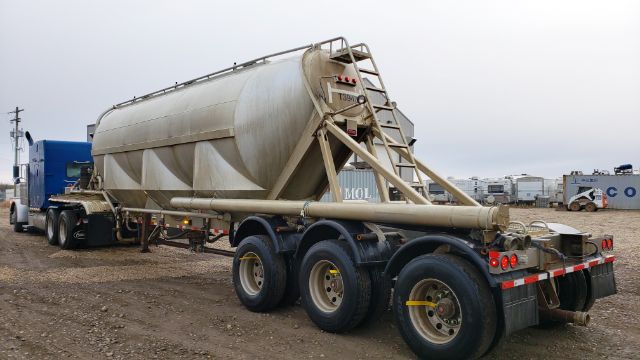
Have polar tank trailer to sell? List it here to reach thousands of buyers.
About Polar Tank Trailers in Alberta
For dry bulk work, Polar pneumatic tank trailers commonly show up with aluminum barrels, single or multiple hopper designs, pressure manholes, and air ride suspension. Capacity is usually discussed in cubic feet or cubic meters rather than gallons, with many units in the 1,000 cubic foot class for cement, fly ash, sand, lime, and similar commodities. Buyers should look closely at blower or pump compatibility, plumbing size, hopper slope, product line routing, and suspension condition. In Western Canada, road conditions and seasonal temperature swings make frame condition, substructure corrosion, and airline integrity especially important. A trailer that is light and clean on paper can still cost money fast if the cones, valves, or aeration system need immediate work.
For liquid service, Polar petroleum and chemical tankers are often spec'd in aluminum or stainless steel with features such as vapor recovery, overfill protection, cabinets, hose tubes, center discharge, and pump packages. DOT 407 trailers are common for refined fuel service, while DOT 412 units are used for more demanding corrosive or higher-spec chemical applications. Stainless barrels and specialty linings such as Kynar can matter more than age if the trailer is intended for acids, solvents, or contamination-sensitive product. Compartment count also matters. A single-compartment trailer maximizes payload simplicity, while multi-compartment tanks support split loads and route flexibility. Buyers should confirm manway style, baffle design, internal lining condition, and the status of pressure tests, inspections, and provincial compliance paperwork before putting a used tank trailer to work.
A good used Polar tank trailer is usually judged on application fit, tare weight, and service history rather than just model year. Alberta operators should also pay attention to axle spread, tire size, wheel spec, and suspension setup because those factors affect bridge compliance, maintenance cost, and resale. Aluminum-frame and aluminum-barrel trailers can deliver payload advantages, but steel-frame units may still make sense depending on duty cycle and repair preference. If the trailer will cross provincial or international lines, it is worth verifying current certification, placarding requirements, and spec compatibility with your tractor, pump, or blower system. The best purchase is the one whose code plate, material spec, and unloading system match the product you haul every day.
Frequently Asked Questions
What should I check first when buying a used Polar tank trailer?
Start with the tank's intended commodity and confirm the code plate, barrel material, and discharge setup match that application. A pneumatic dry bulk trailer, a petroleum tanker, and a chemical tanker all have different regulatory and mechanical requirements. After that, review inspection records, pressure test status, lining or barrel condition, suspension wear, valve and piping condition, and any signs of frame corrosion or previous repairs. On tank trailers, application fit and compliance matter more than cosmetic appearance.
What is the difference between a DOT 407 and a DOT 412 Polar tank trailer?
A DOT 407 tank trailer is commonly used for petroleum and other lower-pressure hazardous liquid service, while a DOT 412 is built for more demanding chemical applications and typically carries stricter material and pressure-related specifications. The exact legal use depends on the commodity being hauled, the trailer's full certification, and current regulations. Buyers should verify the data plate, liner or barrel construction, and compatibility with the products they intend to transport rather than relying on appearance alone.
Are aluminum Polar tank trailers better than stainless steel models?
Not necessarily. Aluminum trailers are popular because they help reduce tare weight and increase payload, which is a major advantage in petroleum and dry bulk service. Stainless steel is heavier but often preferred for corrosive chemicals, contamination-sensitive products, or operations that need added durability and product compatibility. The right choice depends on what you haul, how you clean the tank, and whether internal lining or barrel metallurgy is critical to your operation.
What matters most on a Polar pneumatic tank trailer?
On a pneumatic trailer, capacity is only part of the buying decision. Hopper design, cone condition, plumbing layout, valve condition, aeration system health, and blower or hydraulic pump compatibility all directly affect unload speed and reliability. Buyers should also inspect the barrel for cracks or repairs, check the suspension and running gear, and confirm the trailer's cubic capacity matches the density of the product being hauled. A light trailer with poor pneumatic components can become expensive in a hurry.
How important is compartment count on a tank trailer?
Compartment count affects both revenue flexibility and operating simplicity. A single-compartment trailer is straightforward, easier to clean, and often preferred for dedicated products or full-load hauling. Multi-compartment trailers allow split deliveries and different product grades on the same route, which is valuable in fuel distribution and some specialty applications. The tradeoff is added plumbing complexity, more valves and seals to maintain, and slightly different loading and unloading procedures.