
Used Wabash Refrigerated Trailers For Sale
Browse used Wabash refrigerated trailers with common reefer specs, insulation, floor, unit, suspension, and maintenance points buyers should compare.
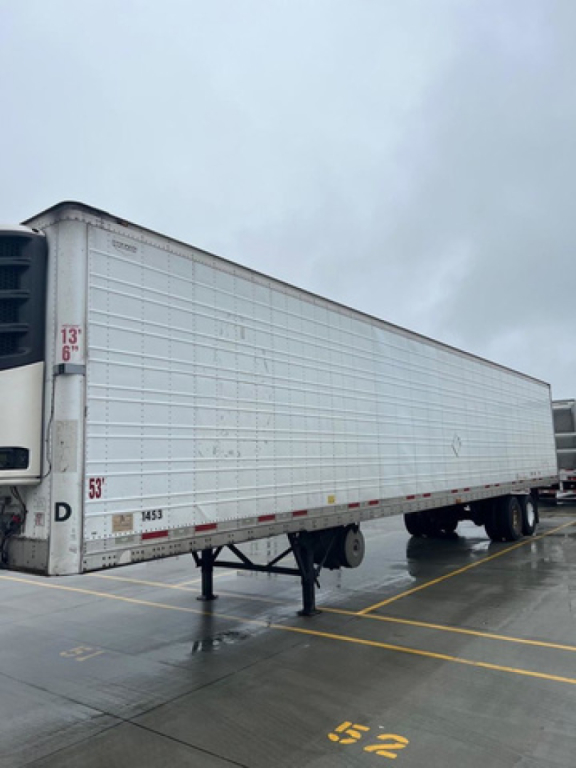

Selling a used wabash refrigerated trailer? List your used wabash refrigerated trailer for sale and reach thousands of commercial buyers.
Used Wabash Refrigerated Trailers
Body construction matters on a used reefer. Wabash trailers are known for composite panel construction and smooth interior finishes that are designed to help temperature retention and washout. Interior lining condition, floor wear, and door seal integrity are worth close attention because small air leaks and damaged insulation can show up as fuel burn, poor pull-down times, and uneven box temperatures. Many buyers also compare suspension type, brake setup, tire condition, and crossmember or rear frame area wear, especially on trailers that have spent years in grocery, produce, or multi-stop delivery service. If the trailer has scuff liners, stainless rear hardware, or a heavy-duty floor package, those details can add value depending on the freight profile.
Spec decisions should match the lane and commodity. Frozen and ice cream operations usually care most about insulation performance, return air flow, floor condition, and reefer unit capacity. Produce, dairy, and mixed temp freight often put more emphasis on consistent temperature recovery after door openings, interior cleanliness, and the condition of bulkheads or logistics track. Suspension choice also affects use case. Air ride is common for protecting sensitive loads and improving ride quality, while axle configuration, wheelbase relationship, and overall tare weight matter if payload is tight. On a used trailer, it is smart to compare unit hours, service records, trailer age, and structural condition together instead of focusing on model year alone.
A strong used Wabash reefer should show evidence of regular PM intervals, clean evaporator and condenser areas, solid floor and threshold condition, and no signs of chronic water intrusion around doors, roof seams, or front wall components. Buyers should also verify reefer start and shutdown behavior, temperature setpoint control, discharge and return air performance, and the condition of the fuel tank, battery box, and wiring. If the trailer will be used in food-grade service, interior lining condition and washout history matter just as much as tire tread or brake life. Wabash refrigerated trailers remain popular on the secondary market because parts, service familiarity, and resale demand are generally strong when the trailer has been maintained correctly.
Frequently Asked Questions about Used Wabash Refrigerated Trailers
What should I check first on a used Wabash refrigerated trailer?
Start with the refrigeration unit, its hours, and its maintenance history. A used Wabash reefer with a Thermo King or Carrier unit should be evaluated for PM records, alarm history, start-up behavior, and temperature control performance. After that, inspect the trailer body for floor wear, door seal condition, lining damage, and any signs of moisture intrusion that could affect insulation performance.
Are Wabash refrigerated trailers good for food and grocery freight?
Yes. Wabash refrigerated trailers are widely used in grocery, produce, dairy, frozen food, and general cold-chain applications. Buyers should still match the trailer spec to the freight. Food-grade use usually requires a clean interior, sound lining, good door seals, reliable temperature recovery, and a floor and drain setup that supports regular washout.
How important are reefer unit hours on a used trailer?
Reefer unit hours are one of the most important comparison points because they indicate engine and refrigeration system use, but hours alone do not tell the whole story. A higher-hour unit with complete service records and consistent PM can be a better buy than a lower-hour unit with poor documentation. Look at hours together with repair history, pre-trip performance, and recent component replacements.
What common specs vary on used Wabash reefer trailers?
Common differences include trailer length, suspension type, interior lining material, floor style, door configuration, tire and brake setup, and the make and model of the refrigeration unit. Some trailers also have logistics posts, scuff liners, stainless rear frames, or heavier-duty floor packages. These details affect tare weight, durability, cargo securement, and how well the trailer fits regional delivery versus long-haul temperature-controlled work.
What signs of wear matter most on a used reefer body?
The most important body-related wear points are the floor, rear threshold, door frame, roof seams, front wall area, and interior lining. Damage in these areas can lead to air leaks, moisture intrusion, and reduced temperature retention. Buyers should also inspect crossmembers, suspension mounting areas, and the rear frame for corrosion, impact damage, or repairs that suggest hard service.