
Wabash Refrigerated Trailers For Sale in Iowa
Browse Wabash refrigerated trailers for sale in Iowa. Compare reefer specs, insulation, floor types, suspension, and refrigeration units.
Learn more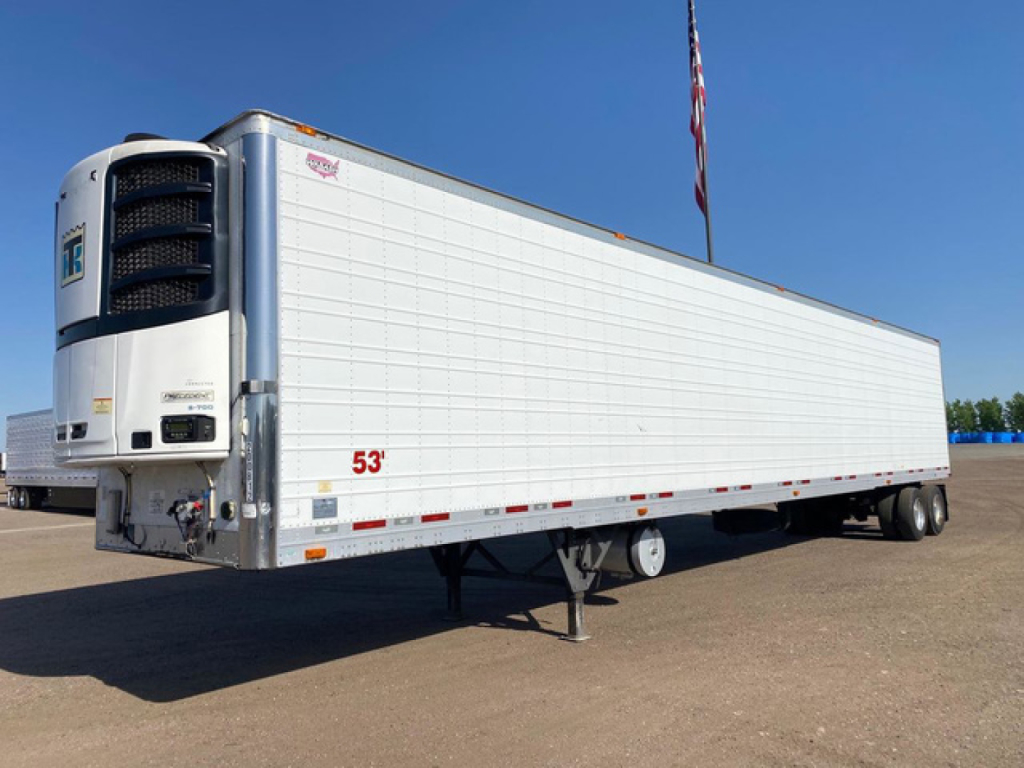
Have wabash refrigerated trailer to sell? List it here to reach thousands of buyers.
About Wabash Refrigerated Trailers in Iowa
The most important buying decisions usually start with the box itself. Pay close attention to body condition, insulation integrity, floor wear, and door seal performance before looking at cosmetic details. Lining type, roof condition, and floor design all affect sanitation, airflow, and long-term durability. Many buyers want aluminum duct floors or deep-channel floors for consistent air circulation under palletized freight, along with scuff liners and interior wall systems that hold up to high dock traffic. Swing doors remain common for full trailer loading, while some operations also value side door configurations for route work or mixed stop freight.
Running gear and reefer unit spec can change operating cost more than purchase price. Air ride suspension is popular for protecting sensitive loads and reducing trailer shock, while tire condition, brake life, and axle alignment directly affect cost per mile. On the refrigeration side, unit hours tell only part of the story. Buyers should look at maintenance records, start-stop versus continuous operation history, fuel tank condition, and controller performance. A well-maintained Thermo King or Carrier unit with documented service intervals is usually more important than brand preference alone. In Iowa serviceability also matters, since regional support can influence uptime during peak harvest, food distribution, and winter operation.
Trailer age, prior fleet use, and washout history all deserve attention on a used Wabash reefer. Check for floor repairs, front wall damage from shifting freight, corrosion around the rear frame, and evidence of moisture intrusion that can compromise insulation value. If the trailer will handle frozen freight, multi-temp work, or strict food-grade lanes, confirm the reefer can pull down temperature quickly and hold setpoint under load. Buyers comparing Wabash refrigerated trailers should weigh structural condition, reefer health, and maintenance documentation ahead of minor spec differences, because those three factors usually determine long-term reliability and resale value.
Frequently Asked Questions
What should I inspect first on a used Wabash refrigerated trailer?
Start with the insulated box and the refrigeration unit, because those are the most expensive parts to correct. Check the roof, front wall, interior lining, floor condition, door seals, and rear frame for damage or moisture intrusion. Then review reefer unit hours, service records, controller operation, and fuel system condition. Tire wear, brakes, suspension, and axle alignment matter too, but insulation failure or a weak reefer unit will usually create the biggest operational problems.
Are Wabash reefer trailers good for food-grade freight?
Wabash refrigerated trailers are commonly used in food-grade service when the trailer has been maintained properly. Buyers should confirm the interior lining is clean and intact, the floor is suitable for washouts and pallet traffic, and the door seals hold temperature consistently. For food-grade work, sanitation history and structural condition are just as important as the refrigeration brand. A clean trailer with solid insulation and documented maintenance is generally more valuable than one with newer cosmetics but weak compliance history.
How important are reefer unit hours on a Wabash trailer?
Reefer unit hours are important, but they should be evaluated with maintenance history and operating style. A unit with higher hours and strong service records can be a better buy than a lower-hour unit with poor documentation. Buyers should ask whether the unit ran in continuous mode or start-stop mode, how often it was serviced, and whether major components have been replaced. Hour count is a useful benchmark, but maintenance quality is usually the better indicator of remaining life.
What suspension and floor features are most desirable on a refrigerated trailer?
Air ride suspension is a common choice because it helps protect sensitive temperature-controlled freight and improves ride quality. For the floor, buyers often prefer designs that support consistent airflow under the load, especially for palletized frozen or chilled freight. Floor wear matters because forklifts, pallet jacks, and repeated washouts can shorten trailer life. A sound floor, good crossmember condition, and suspension that matches the freight profile are all important for long-term durability.
Why does local service support matter when buying a reefer trailer in Iowa?
Local support matters because refrigerated freight is time-sensitive and reefer downtime gets expensive quickly. In Iowa, seasonal temperature swings, agricultural freight, and regional food distribution can put extra pressure on both the box and the refrigeration system. A trailer spec'd with a reefer brand and components that local shops know well can reduce repair delays and improve uptime. Buyers often place real value on a trailer that can be serviced quickly during harvest, peak produce movement, or winter weather disruptions.