
Used Utility Refrigerated Trailers For Sale
Shop used Utility refrigerated trailers with air ride, popular Thermo King or Carrier units, and specs built for cold chain freight.
Learn more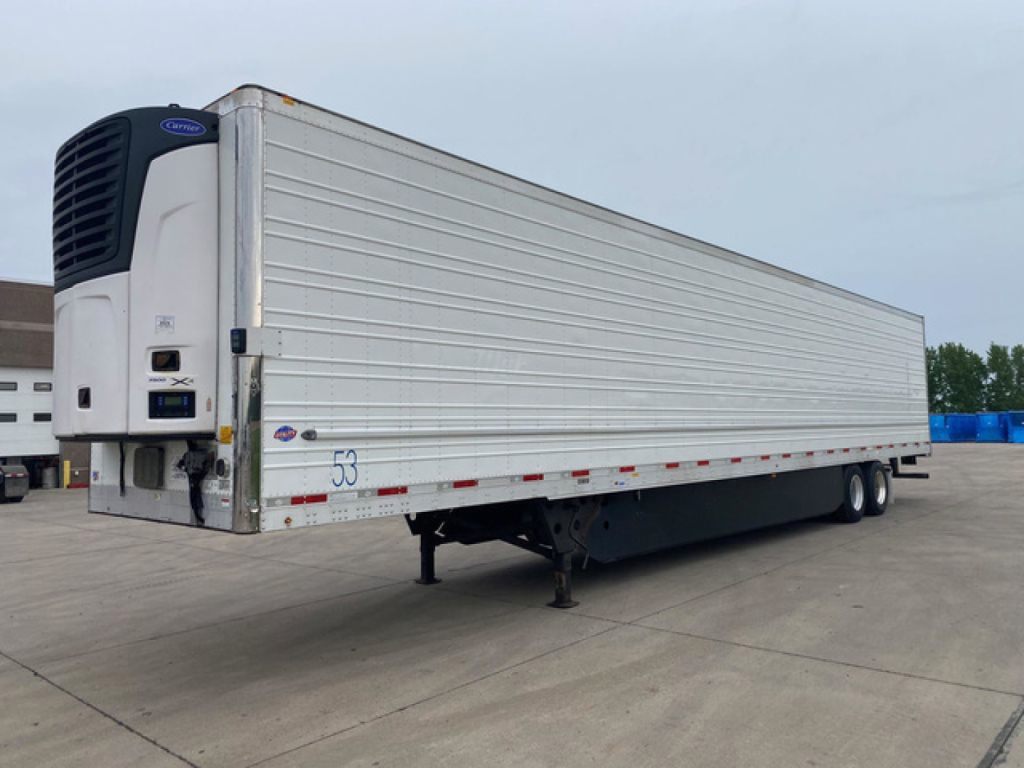
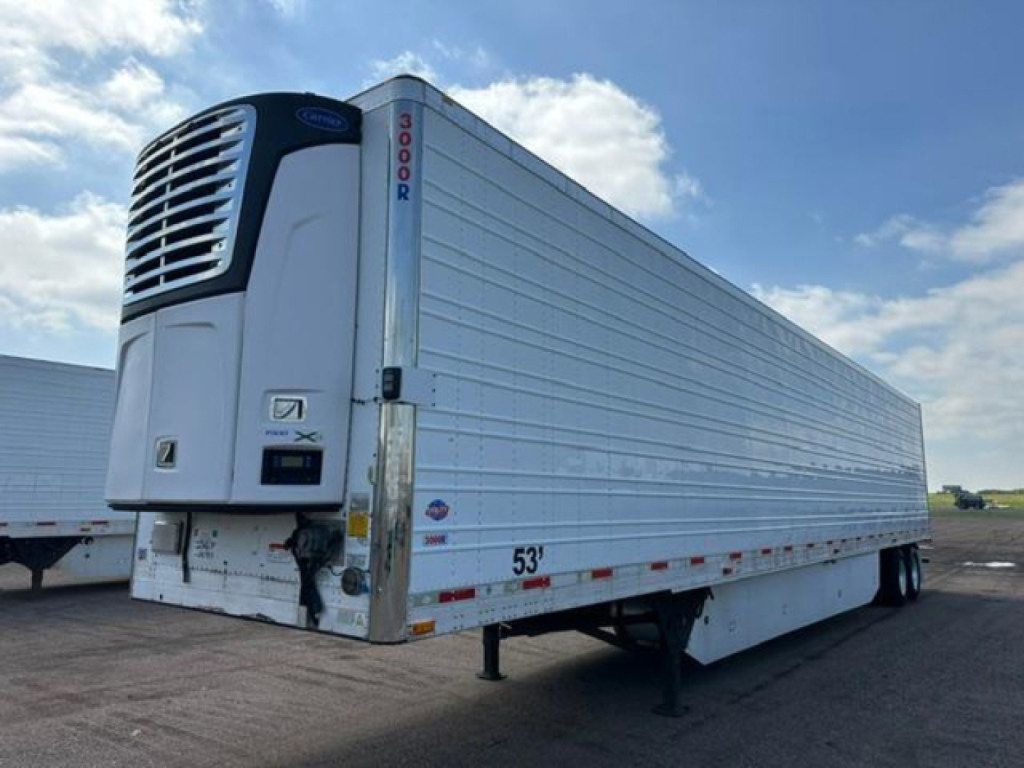
2021 Utility Reefer

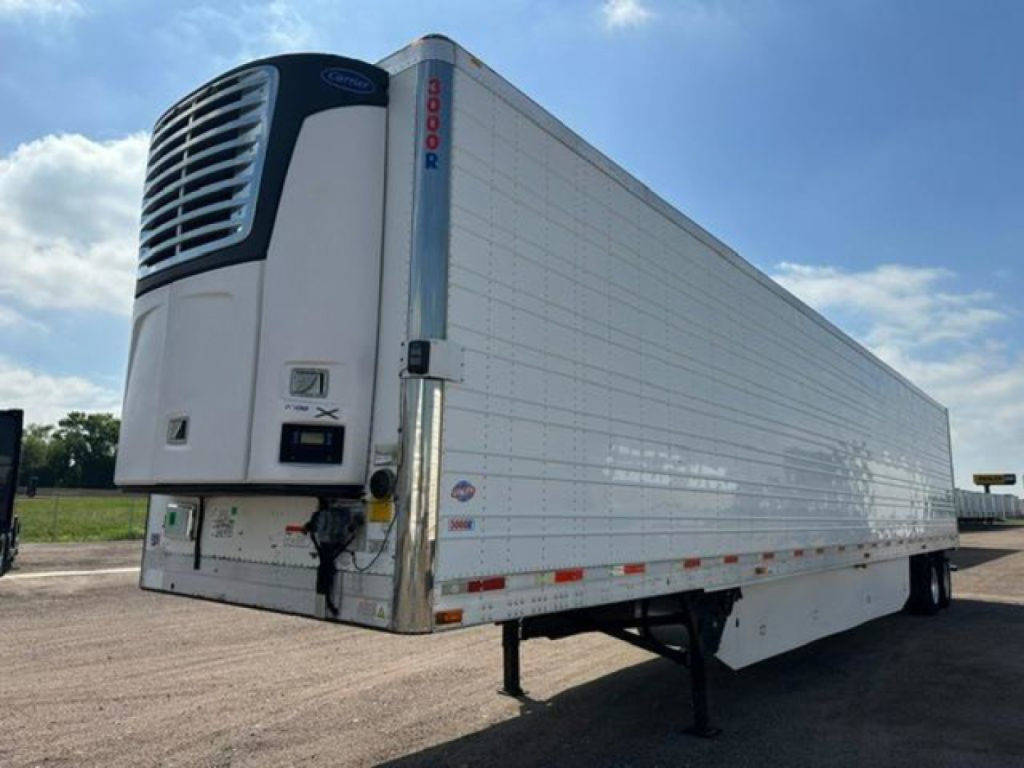
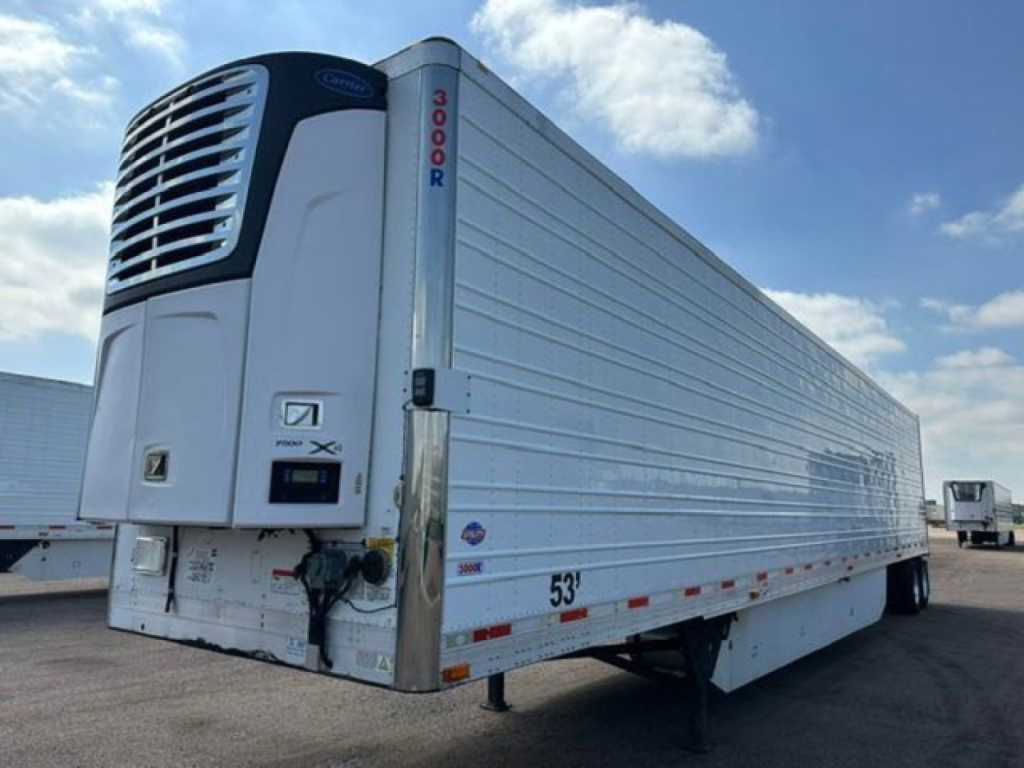
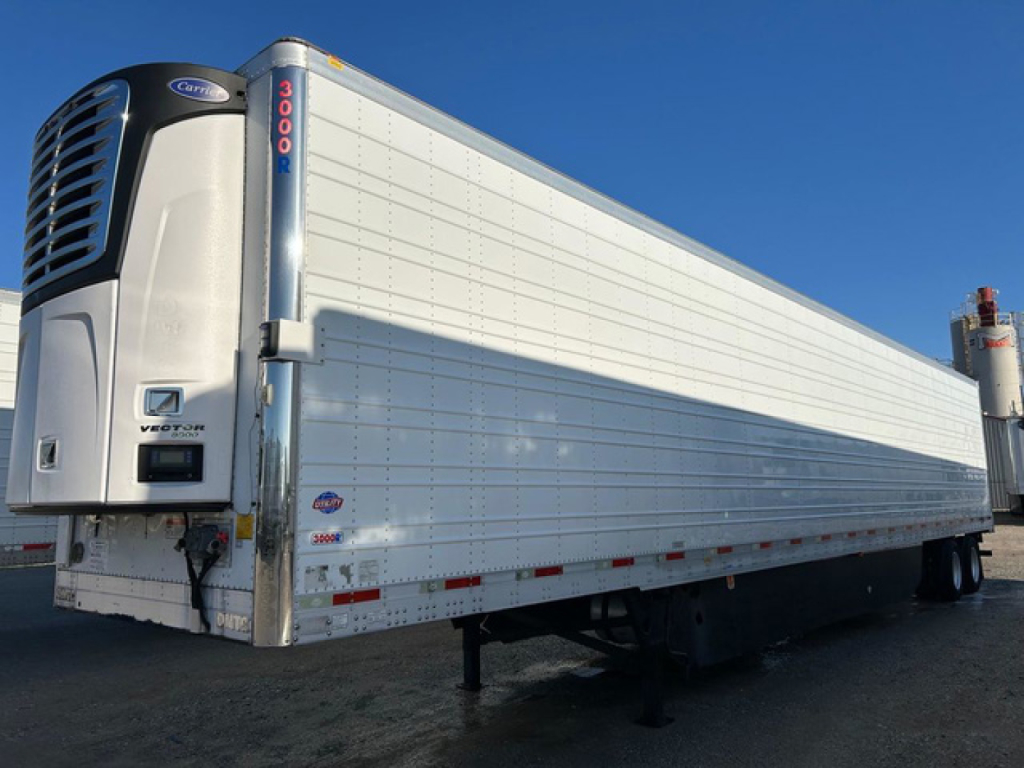
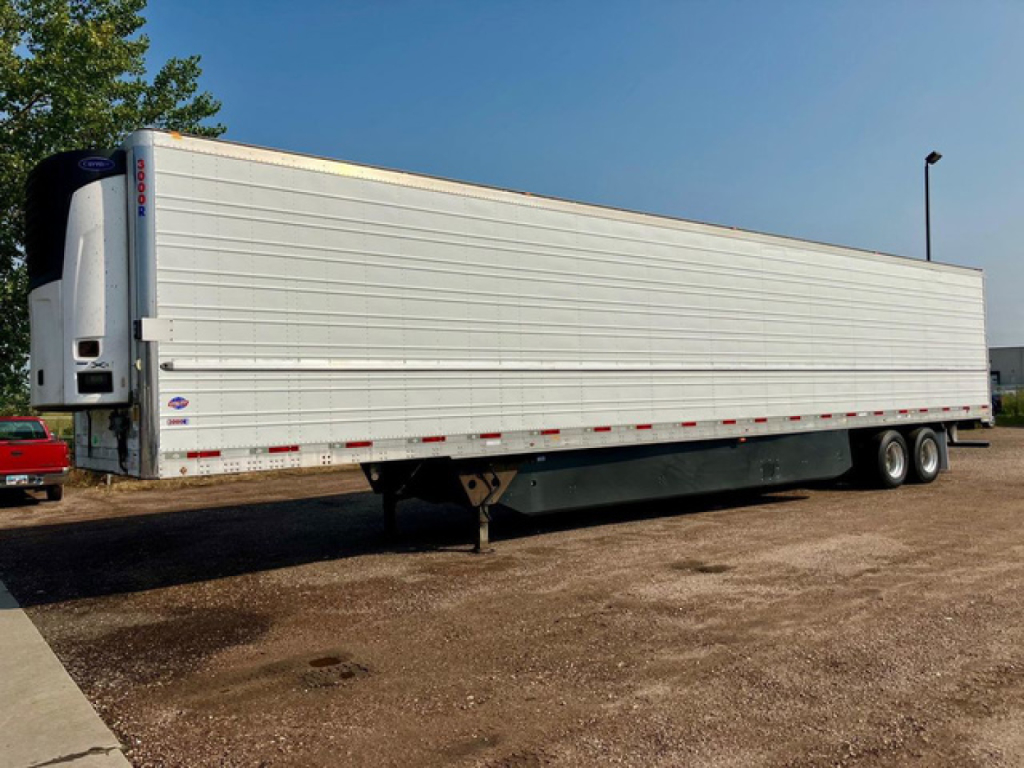
2019 Utility Reefer
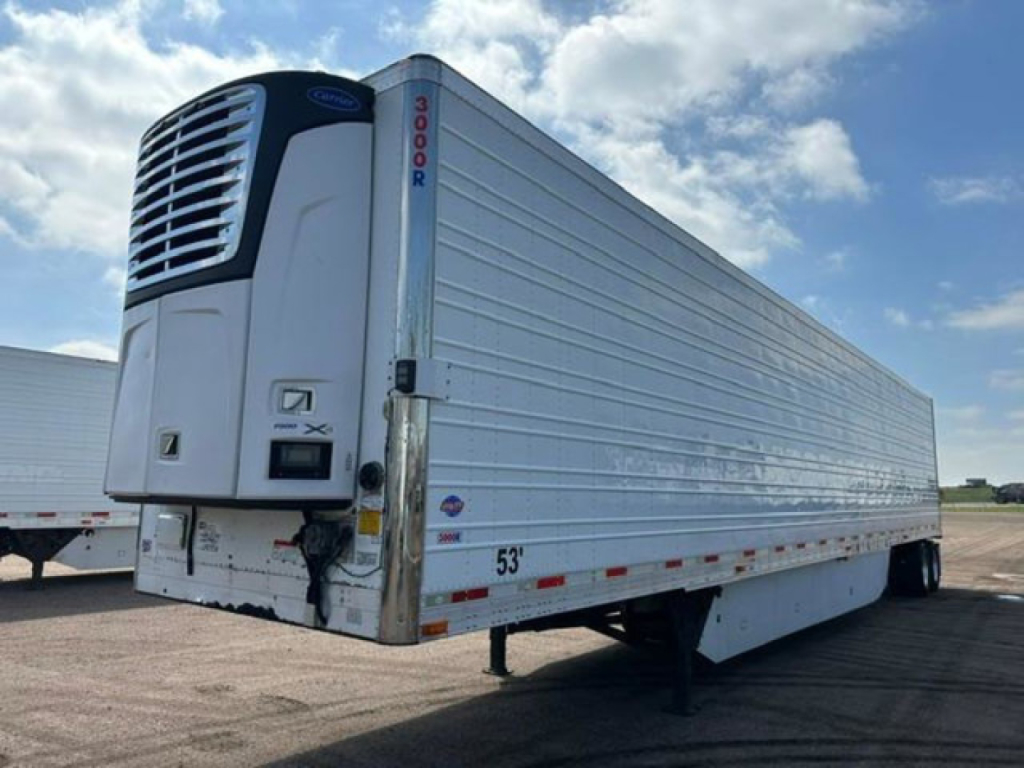
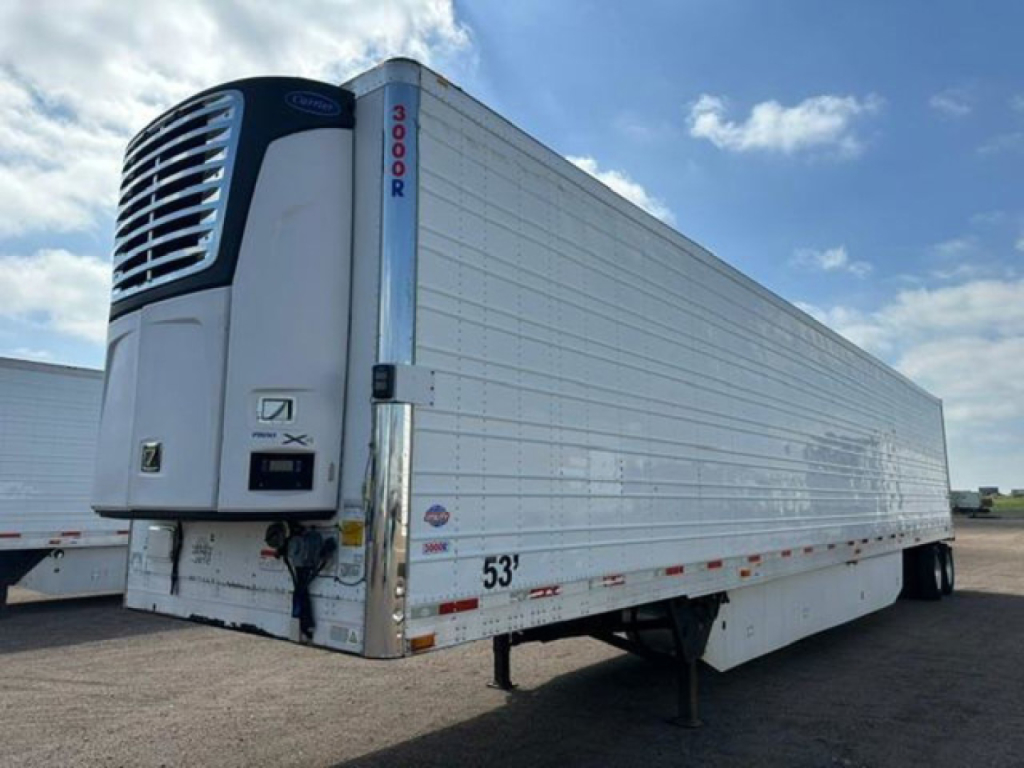
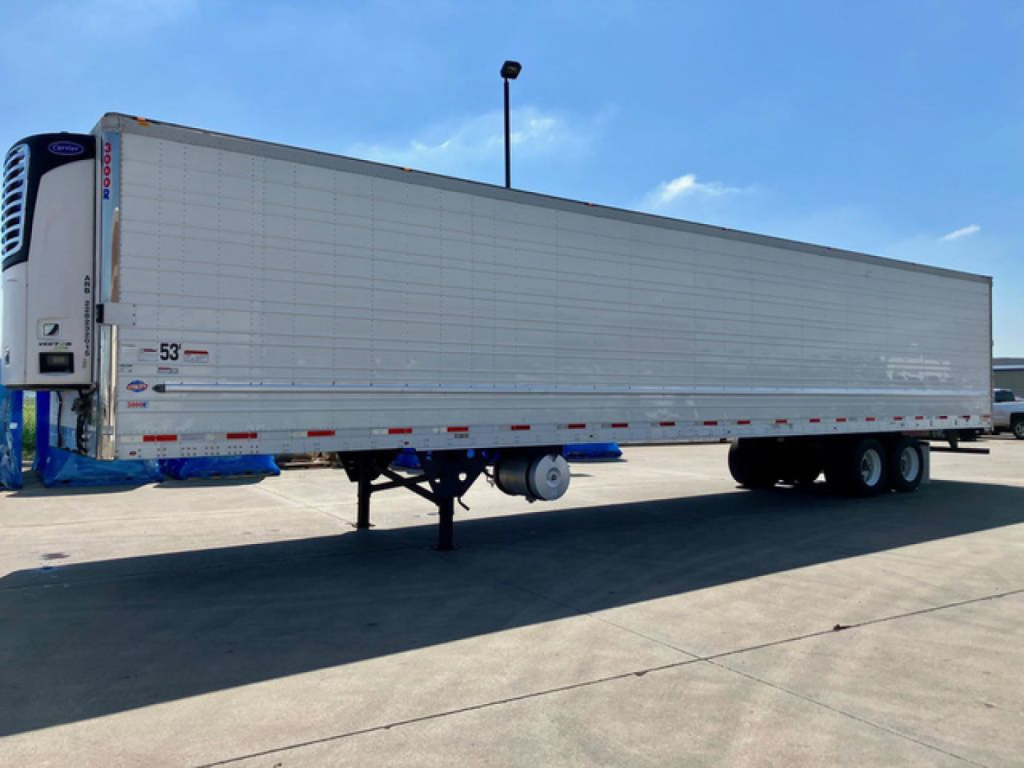
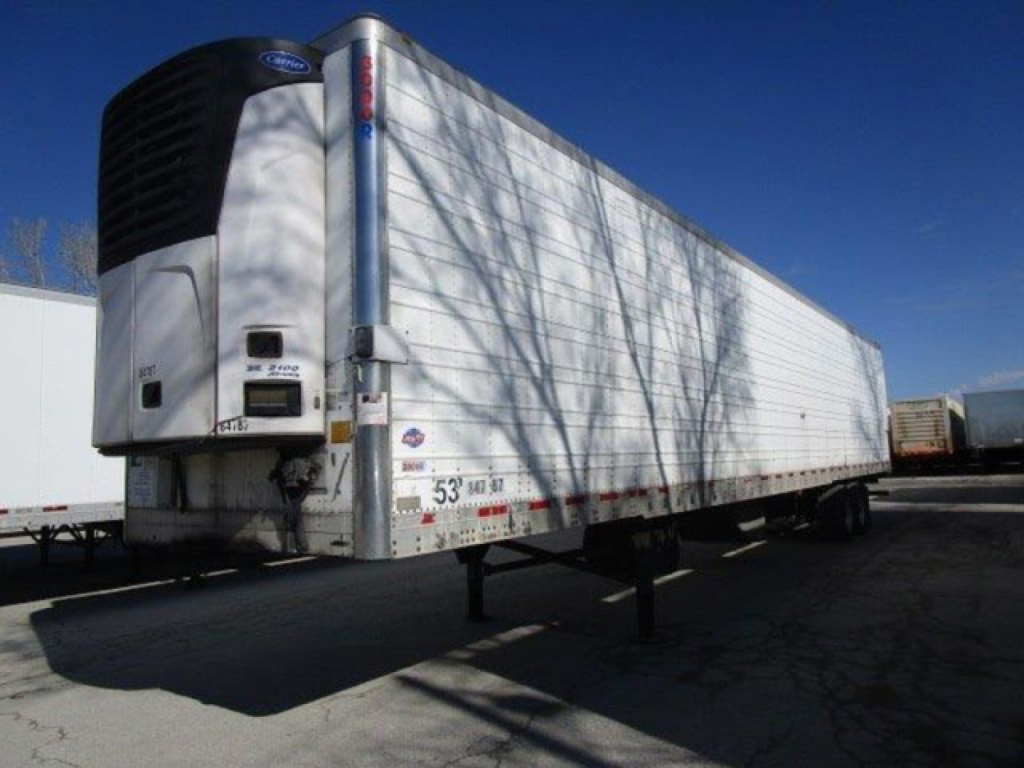
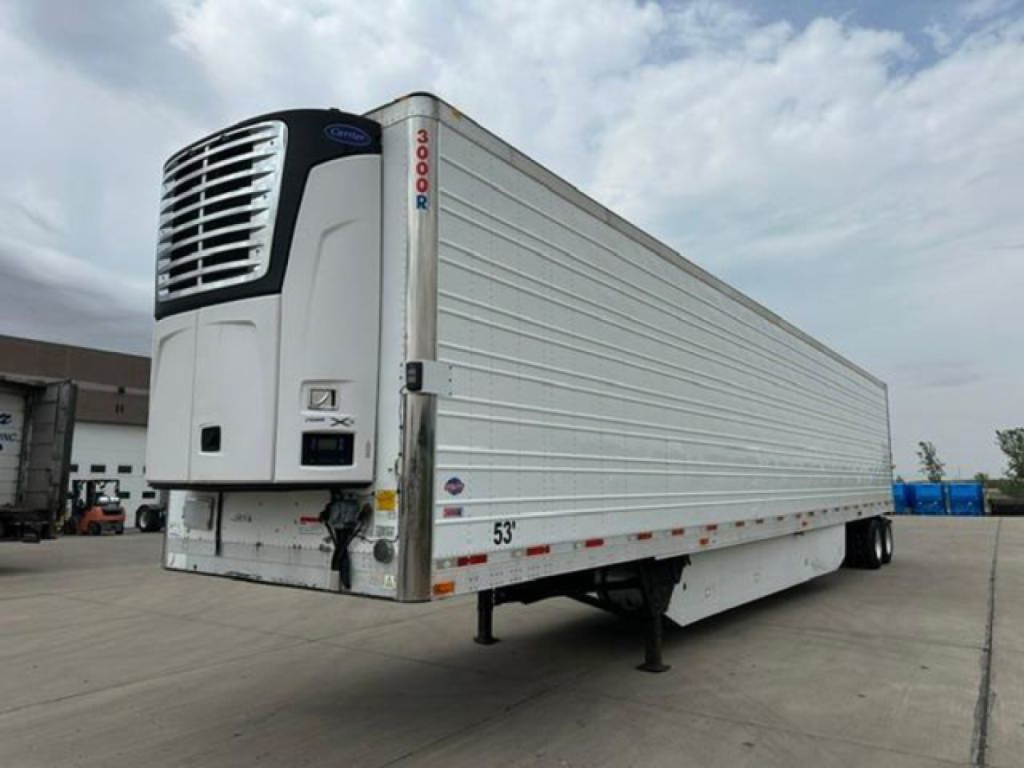
Showing 25 to 36 of 47 results
Have used utility refrigerated trailer to sell? List it here to reach thousands of buyers.
About Used Utility Refrigerated Trailers
Construction details make a real difference on a used reefer. Utility trailers are often spec'd with air ride suspension, aluminum roofs, and lined interiors such as Versitex or Kemlite. Those features affect both cargo protection and long-term operating cost. Interior lining condition, floor wear, and rear door seal integrity are worth close inspection because they directly affect temperature retention and washout performance. Buyers moving palletized food usually prefer swing doors for full opening width and dock use, while roll-up doors and side access doors can make sense for multi-stop or specialty applications. A flat aluminum floor, scuff area condition, and any evidence of fork damage should be reviewed carefully on older trailers.
Brake and wheel-end specs are another major decision point on a used Utility reefer. Air ride remains the standard for protecting sensitive freight, but disc brakes, tire inflation systems, and recent brake or rotor work can add real value by reducing downtime and improving road performance. Tire measurements, suspension condition, and door hardware wear can tell you a lot about how the trailer was run. On refrigerated equipment, small maintenance issues turn into expensive problems faster than they do on dry vans. Poor door closure, damaged lining, or neglected unit service can lead to temperature loss, rejected loads, and claims.
A used Utility reefer can also fit niche applications beyond standard over-the-road cold chain service. Some are configured for beverage, liquid tender, or route delivery work with curbside doors, rear step access, or custom interior layouts. The best buying approach is to match the trailer to the freight profile first, then compare reefer unit brand, unit hours, lining type, floor construction, and suspension spec. If the trailer will run high-cycle grocery or food distribution, focus on unit reliability, door performance, and washout condition. If it will run longer regional or OTR lanes, pay close attention to fuel efficiency features, tire system health, and the service history of both the trailer and the refrigeration unit.
Frequently Asked Questions
What should I look at first on a used Utility refrigerated trailer?
Start with the refrigeration unit brand, model, service history, and engine hours. On a used reefer, the trailer body and the unit need to be evaluated together because a sound box with a weak unit can still create expensive downtime. After that, inspect the interior lining, floor condition, rear door seals, suspension, brakes, and tire wear. Temperature-controlled trailers depend on structural integrity and insulation as much as they do on the reefer unit itself.
Are Utility reefer trailers commonly equipped with Thermo King or Carrier units?
Yes. Used Utility refrigerated trailers are frequently found with Thermo King or Carrier refrigeration units, and both are well known in the market. Buyers often compare local dealer support, parts access, technician availability, and preferred maintenance practices between the two brands. The better choice is usually the unit with stronger service records, acceptable hours, and better support in the lanes where the trailer will operate.
How important are reefer unit hours on a used trailer?
Reefer unit hours are one of the most important indicators of expected maintenance and remaining service life. High hours do not automatically make a trailer a poor buy, but they do increase the importance of documented maintenance, recent repairs, and pre-purchase inspection results. Unit hours should be considered alongside trailer age, operating environment, and how the trailer was used, such as long-haul continuous run service versus lighter seasonal or regional work.
What interior features matter most on a used Utility reefer?
Interior lining condition, floor construction, and door sealing matter most because they directly affect sanitation, temperature retention, and cargo protection. Linings such as Versitex or Kemlite are common and should be checked for cracks, punctures, and delamination. The floor should be inspected for wear, corrosion, and forklift damage, especially in high-traffic areas near the rear. If the trailer has specialty features like side doors or a roll-up door, confirm that they match the intended freight and stop pattern.
Is air ride suspension standard on used Utility refrigerated trailers?
Air ride is very common on Utility reefer trailers because it helps protect fragile or temperature-sensitive freight and supports a smoother ride. It is also a familiar spec for fleets and owner-operators running food-grade freight. Even when air ride is present, buyers should still inspect air bags, shocks, ride height, axle alignment, and suspension wear because reefer trailers often run heavy and stay in frequent service.