
Utility Refrigerated Trailers For Sale in Iowa
Browse Utility refrigerated trailers with common reefer specs, unit options, door configurations, and features that matter for cold-chain hauling.
Learn more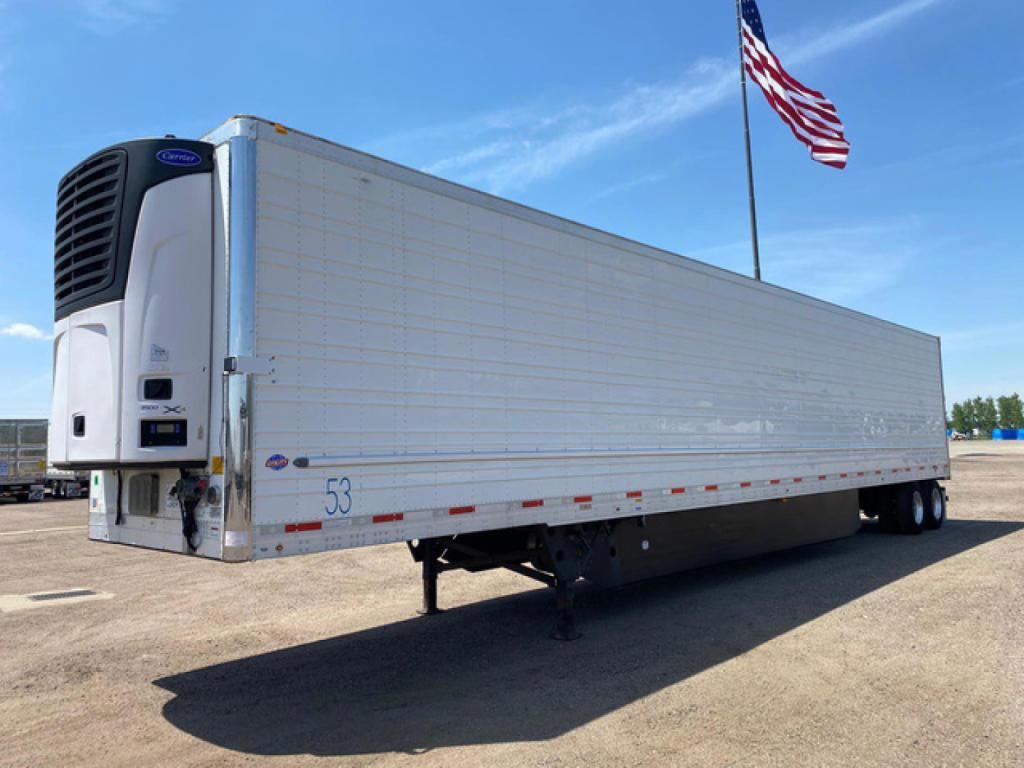

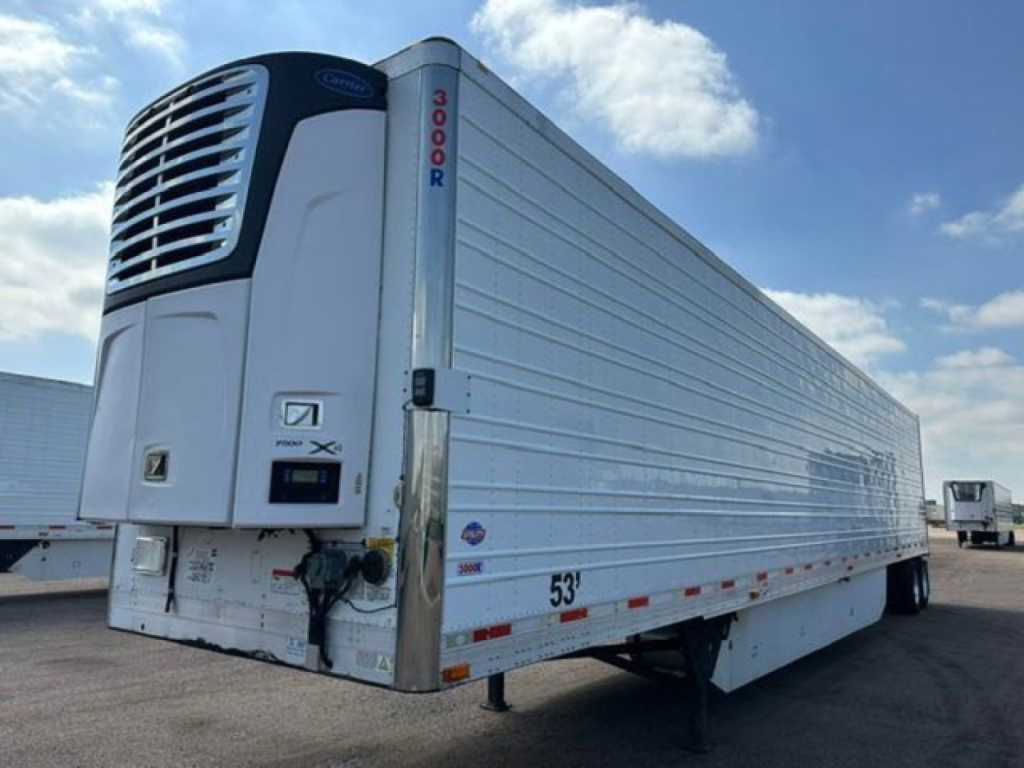
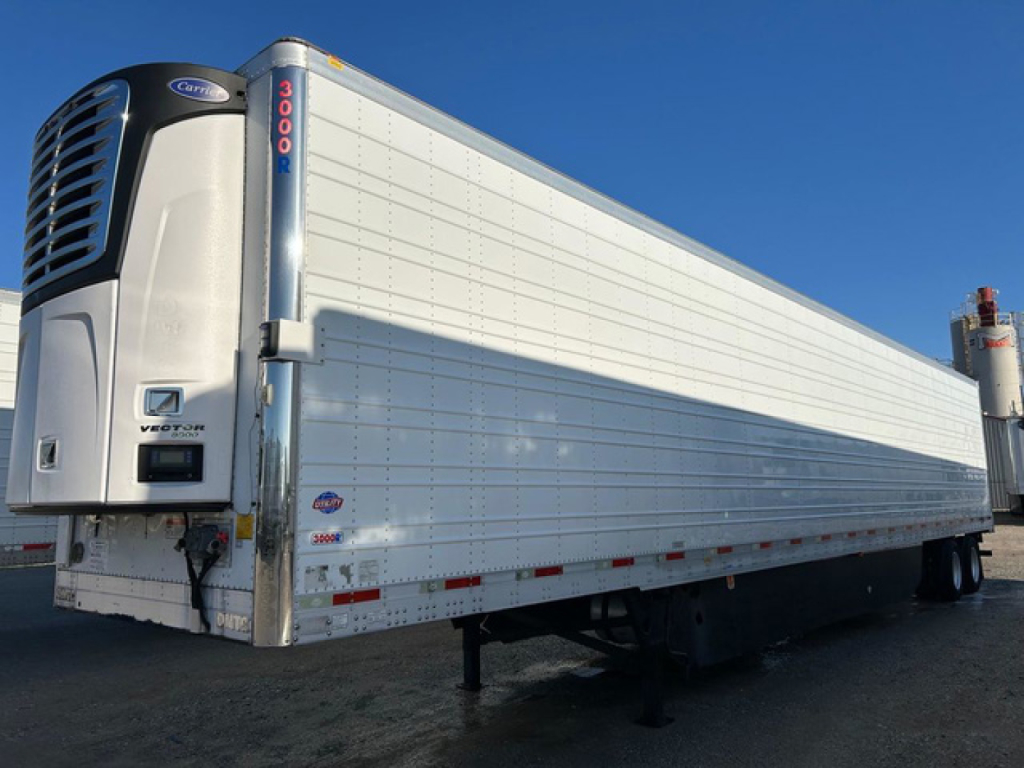
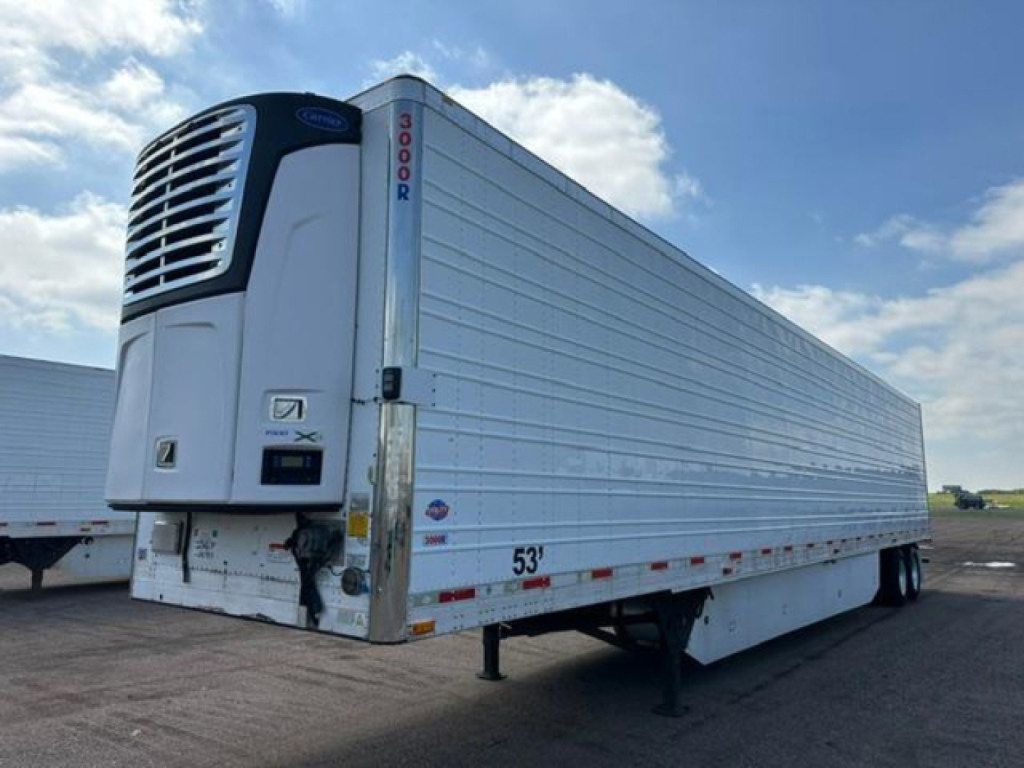
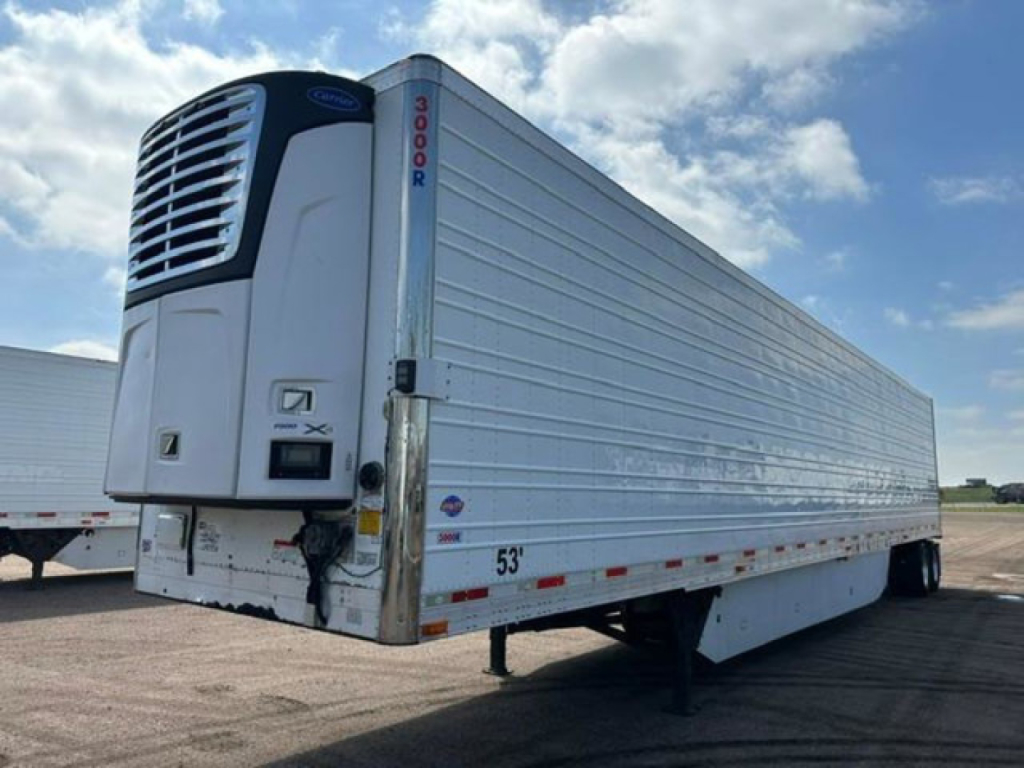
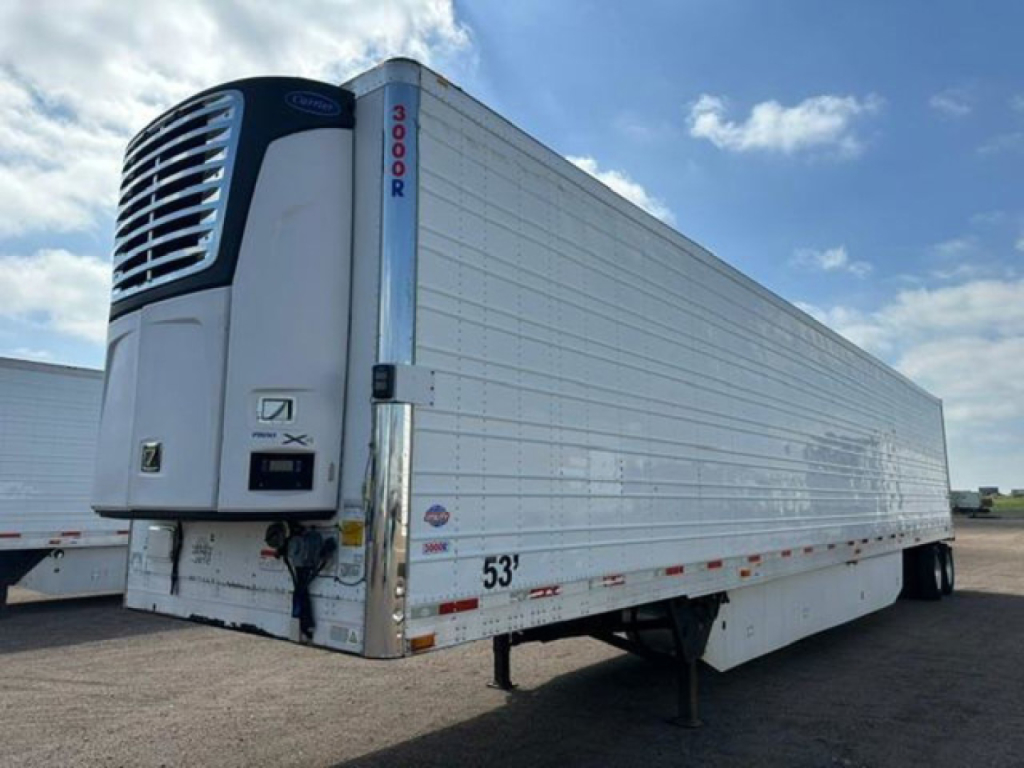
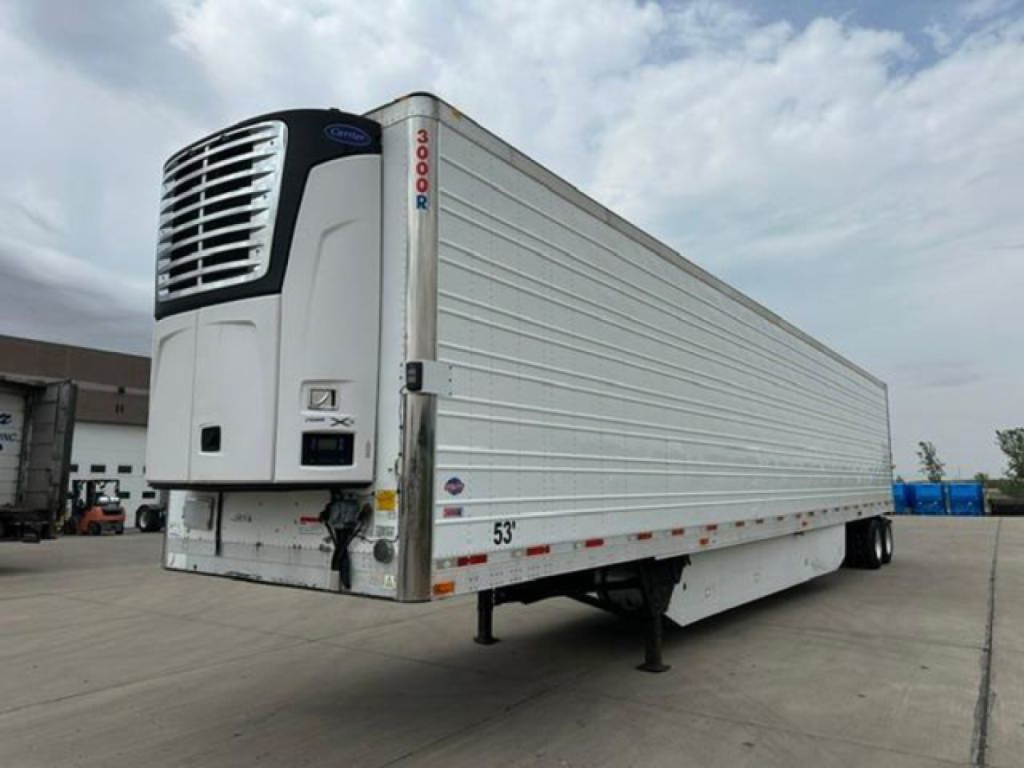
Showing 13 to 24 of 35 results
Have utility refrigerated trailer to sell? List it here to reach thousands of buyers.
About Utility Refrigerated Trailers in Iowa
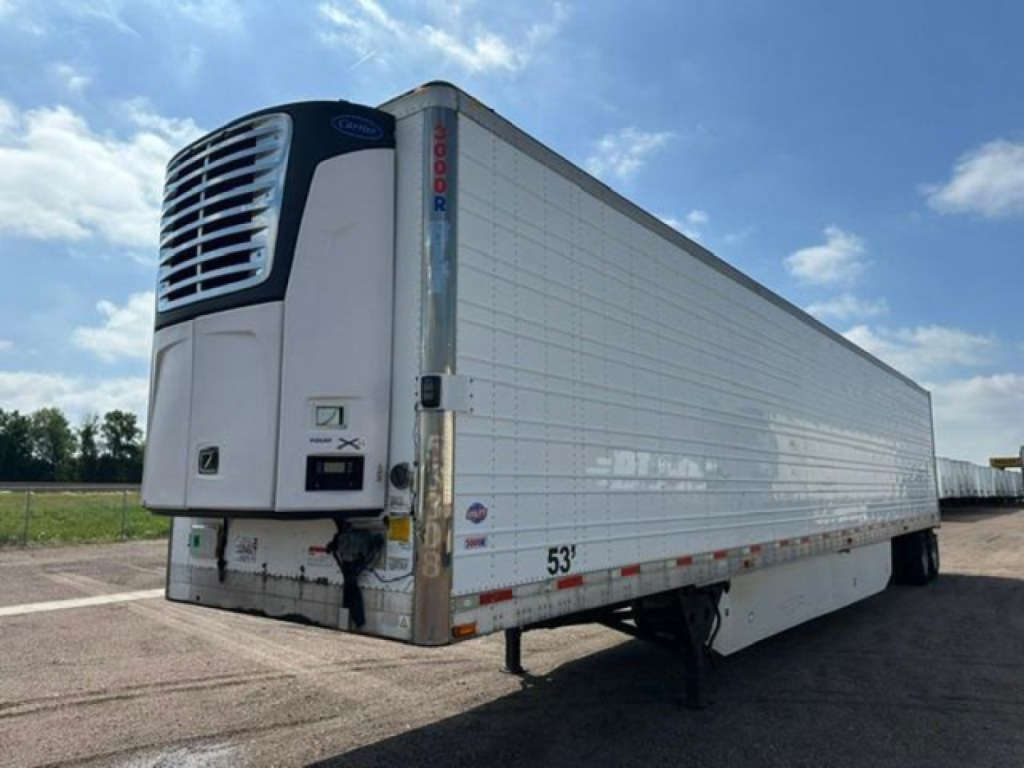
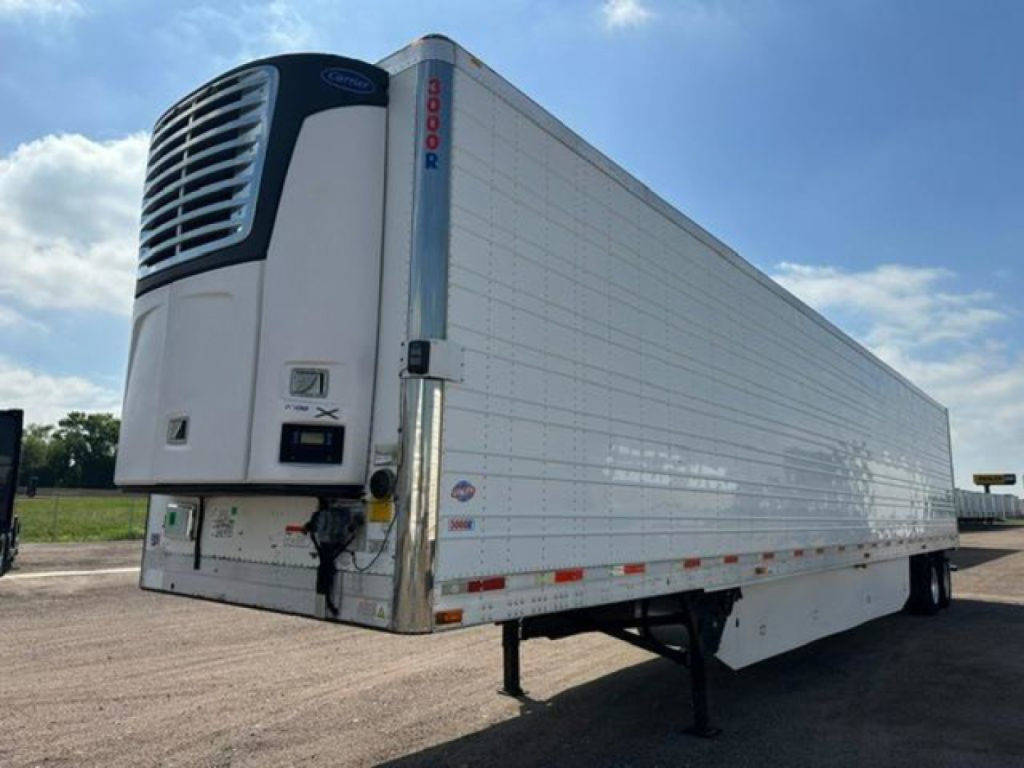
A buyer should start with the refrigeration package and the trailer’s intended duty cycle. Utility reefers are commonly paired with Thermo King or Carrier units, and unit hours matter just as much as trailer age. A newer trailer with high engine hours can need major reefer service sooner than an older trailer with documented maintenance. Look closely at continuous versus start-stop operation, fuel tank condition, evap performance, and whether the trailer has features like air chute, remote temp monitoring, or multi-temp capability. If the trailer will be used for local delivery or beverage work, side doors, roll-up rear doors, and flat aluminum floors can be useful. For standard dock freight, swing doors, duct floors, and clean interior liners such as Versitex or Kemlite are more typical.
Utility reefer specs often include aluminum roof construction, air ride suspension, and options like aluminum wheels and automatic tire inflation systems. Tire condition, brake life, and rotor wear are worth checking closely because reefer trailers tend to spend time in heavy stop-and-go service. Interior wall condition also tells a lot about prior use. Scuffed liners, patched floors, or gouged rails may be acceptable in tough fleet work, but food-grade freight usually calls for a cleaner box with good door seals and strong insulation integrity. Buyers should also confirm trailer length, axle spread, rear frame condition, and the door opening dimensions if they are loading specific pallets or liquid totes.
Not every Utility refrigerated trailer is still working as an over-the-road reefer. Some older units are sold without a refrigeration unit and are used as insulated storage trailers or for applications where temperature retention matters more than active cooling. That can be a cost-effective option for seasonal storage, on-site warehousing, or dedicated products that do not require a running unit. The right trailer comes down to freight profile, reefer hours, body condition, and how much downtime risk fits your operation.
Frequently Asked Questions
What should I check first when buying a used Utility refrigerated trailer?
Start with the refrigeration unit, unit hours, and service history. On a used reefer, the cooling system often drives near-term repair cost more than the trailer body itself. After that, inspect the floor type, interior liner, door seals, suspension, brakes, and tire condition. A clean box with strong insulation and a maintained Thermo King or Carrier unit is usually more important than model year alone.
Are Utility reefers good for Midwest food and produce hauling?
Yes. Utility refrigerated trailers are widely used in Midwest lanes because they are well suited for grocery, frozen food, produce, dairy, and general cold-chain freight. Their lighter construction, common parts support, and compatibility with major reefer unit brands make them practical for regional and over-the-road work. Buyers in Iowa should still verify insulation condition and reefer performance for winter and summer extremes.
What is the difference between a Utility reefer with swing doors and one with a roll-up door or side doors?
Swing rear doors are the standard setup for dock freight because they provide a full opening and maintain a strong door seal. Roll-up doors can help in frequent stop applications where quick access matters, but they may reduce clear opening height and can add maintenance points. Side doors are useful for specialized delivery work, hand unload operations, or liquid tender setups where partial side access improves loading flexibility.
Can an older Utility refrigerated trailer without a reefer unit still be useful?
Yes. An older insulated trailer without a refrigeration unit is often used as a storage trailer, temporary warehouse, or for freight that benefits from insulation but does not require active cooling. This can be a practical lower-cost option if the body is still sound and the doors seal well. The key is making sure the floor, roof, and wall structure are still solid enough for the intended use.
Which features add value on a used Utility reefer trailer?
Features that usually help resale and day-to-day operating value include air ride suspension, aluminum wheels, tire inflation systems, clean food-grade liners, and a well-maintained Carrier or Thermo King unit with documented hours. Floor condition, brake and rotor life, and good tire tread also matter because they directly affect readiness and maintenance cost. A trailer configured correctly for the freight, such as the right floor and door setup, often has more practical value than cosmetic appearance alone.