
Great Dane Refrigerated Trailers For Sale in Iowa
Shop Great Dane refrigerated trailers with common reefer specs, ThermoGuard insulation, and multi-temp options for food and cold-chain hauling.
Learn more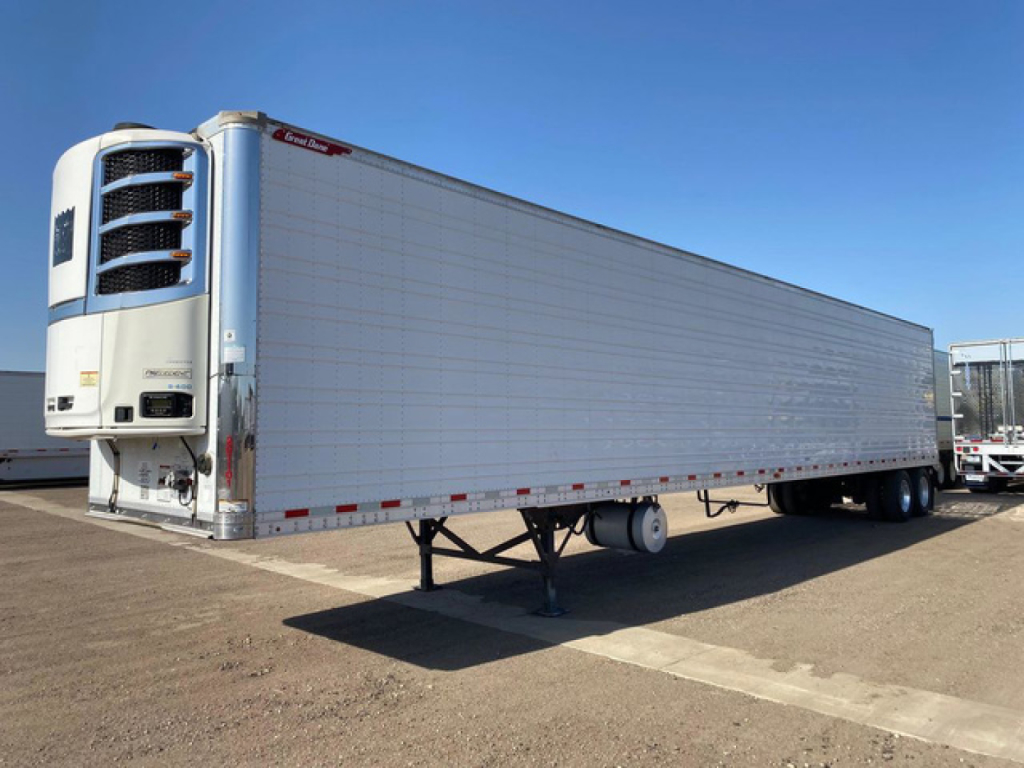

Have great dane refrigerated trailer to sell? List it here to reach thousands of buyers.
About Great Dane Refrigerated Trailers in Iowa
Great Dane reefers are known for features like ThermoGuard insulation systems, ducted airflow designs, and interiors built to handle repeated dock loading. Depending on spec, you may see flat floors or duct floors, swing doors or roll-up doors, and liners such as armor-style scuff protection for high-contact freight. Suspension is often air ride, which matters for cargo protection and ride quality on longer regional and over-the-road runs. Buyers should also pay attention to reefer unit brand and model, with Thermo King units being especially common, along with engine hours, maintenance records, and whether the unit has been servicing deep-frozen, chilled, or multi-zone applications.
For Midwest operations, reefer performance in both summer heat and winter cold matters, but trailer structure matters just as much. Check the front wall, roof, and floor for signs of water intrusion, patchwork, soft spots, or delamination. On a Great Dane refrigerated trailer, the condition of the lining, scuff liners, rear frame, and door hardware can tell you a lot about how hard the trailer worked. Tire condition, brake wear, suspension components, and tandem slide operation are also worth close inspection, especially if the trailer has spent time on heavy dock-to-dock routes.
A used Great Dane reefer can fit anything from dedicated grocery distribution to general temperature-controlled freight, but the right trailer depends on freight profile and loading pattern. Multi-temp setups help carriers handling mixed frozen and chilled loads, while a simpler single-temp trailer may be the better maintenance and fuel decision for straightforward lanes. Buyers comparing listings should weigh reefer hours, serviceability, interior cube, door configuration, and overall trailer cleanliness just as heavily as model year. In this category, a clean box with solid insulation and documented reefer service usually matters more than cosmetic appearance alone.
Frequently Asked Questions
What should I inspect first on a used Great Dane refrigerated trailer?
Start with the box itself before focusing on paint or cosmetics. Inspect the floor for soft spots, gouging, or moisture damage, then check the sidewalls, front wall, and roof for delamination, repairs, or signs of water intrusion. Door seals, rear frame condition, lining wear, and scuff protection are important because they affect temperature retention and daily loading durability. After that, review reefer unit hours, maintenance records, and the condition of tires, brakes, suspension, and tandem slide components.
Are Great Dane reefers commonly used for multi-temp freight?
Yes, Great Dane refrigerated trailers are often found in both single-temp and multi-temp service. Multi-temp configurations are useful for grocery and foodservice operations that need frozen and chilled product in the same trailer. Buyers should confirm the bulkhead setup, airflow design, and reefer unit capability because not every refrigerated trailer is equipped the same way. A true multi-temp trailer can add flexibility, but it also adds complexity in maintenance and operation.
What reefer unit brands are common on Great Dane refrigerated trailers?
Thermo King units are very common on Great Dane refrigerated trailers, especially in 53-foot over-the-road applications. Buyers should evaluate the exact unit model, total engine hours, service intervals, and any recent major repairs. A well-maintained reefer unit with documented service history is usually more important than brand preference alone. Parts support and technician availability in your operating region should also factor into the decision.
Is a flat floor or duct floor better in a reefer trailer?
That depends on the freight and loading pattern. Flat floors can be easier for some dock operations and certain palletized freight, while ducted airflow designs may help maintain more consistent temperature distribution through the trailer. The better choice depends on product sensitivity, stacking pattern, and how often the doors are opened. Buyers should match floor design to actual freight requirements rather than assuming one style is automatically better.
Why does insulation and lining condition matter so much on a used reefer?
Insulation and interior lining condition directly affect temperature control, fuel efficiency, and cargo protection. Damaged insulation or compromised lining can lead to hot spots, longer reefer run times, and reduced ability to hold setpoint under load. In practical terms, a trailer with poor insulation can cost more to operate and may create claims risk on sensitive freight. That is why buyers often treat structural and thermal condition as a higher priority than age alone.