
New Trailers For Sale
Shop new trailers for freight, equipment, liquid, and temperature-controlled hauling with current specs, modern materials, and fleet-ready options.
Learn morePopular Trailers Categories
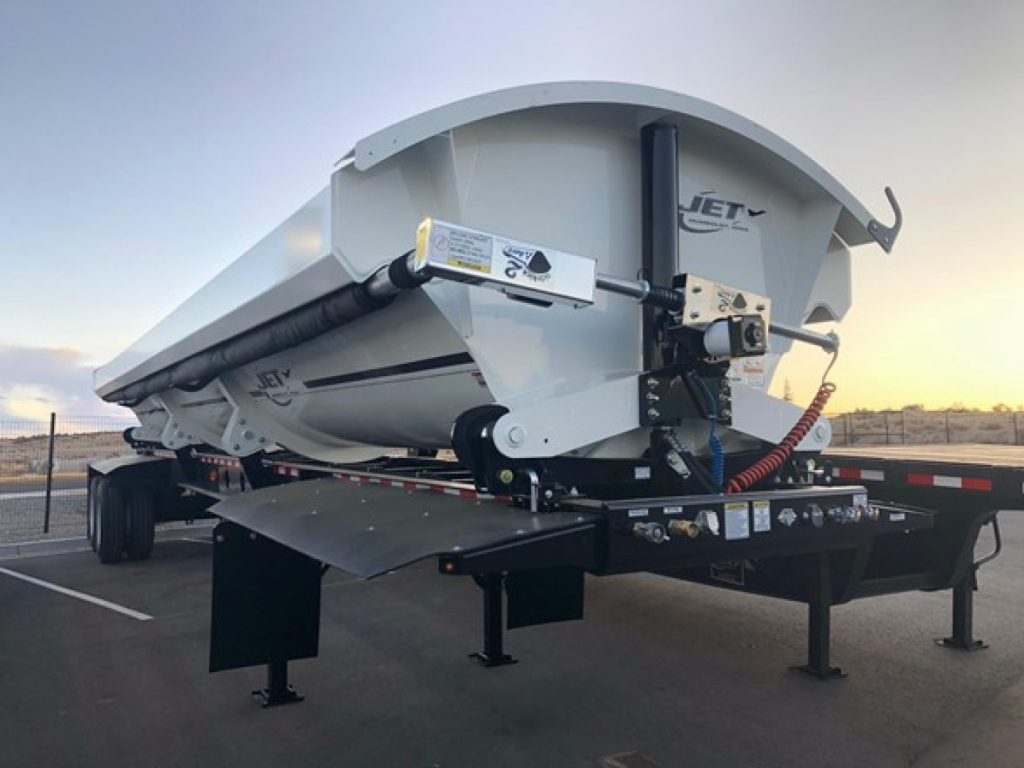
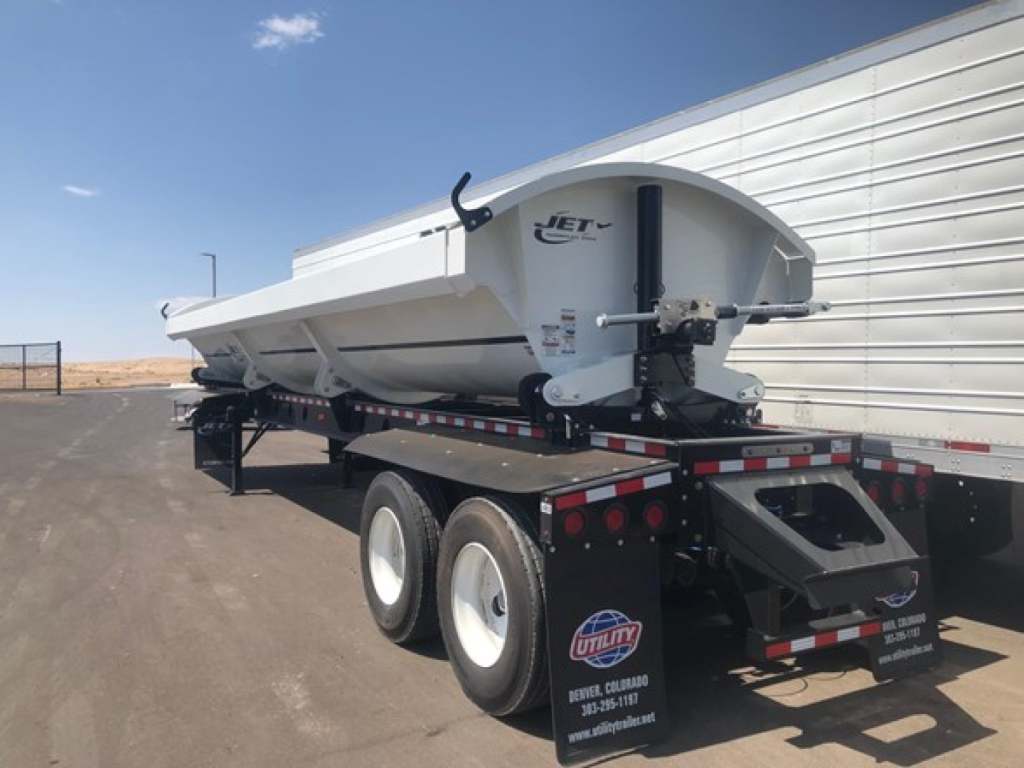
Showing 901 to 912 of 930 results
Have new trailer to sell? List it here to reach thousands of buyers.
About New Trailers
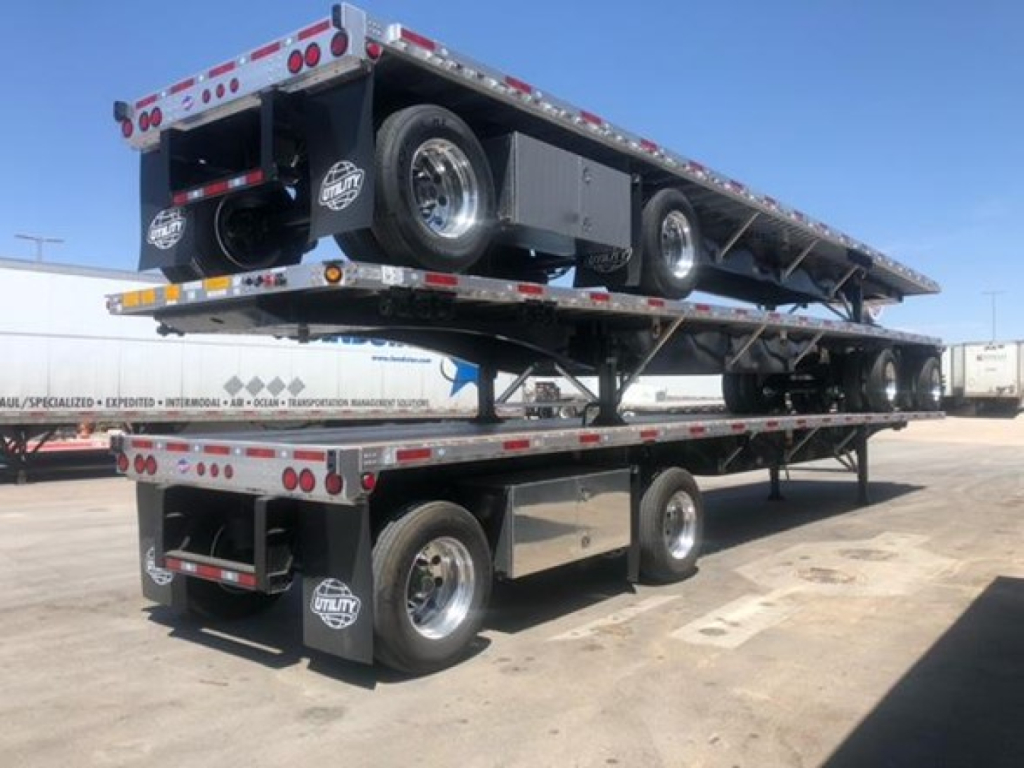
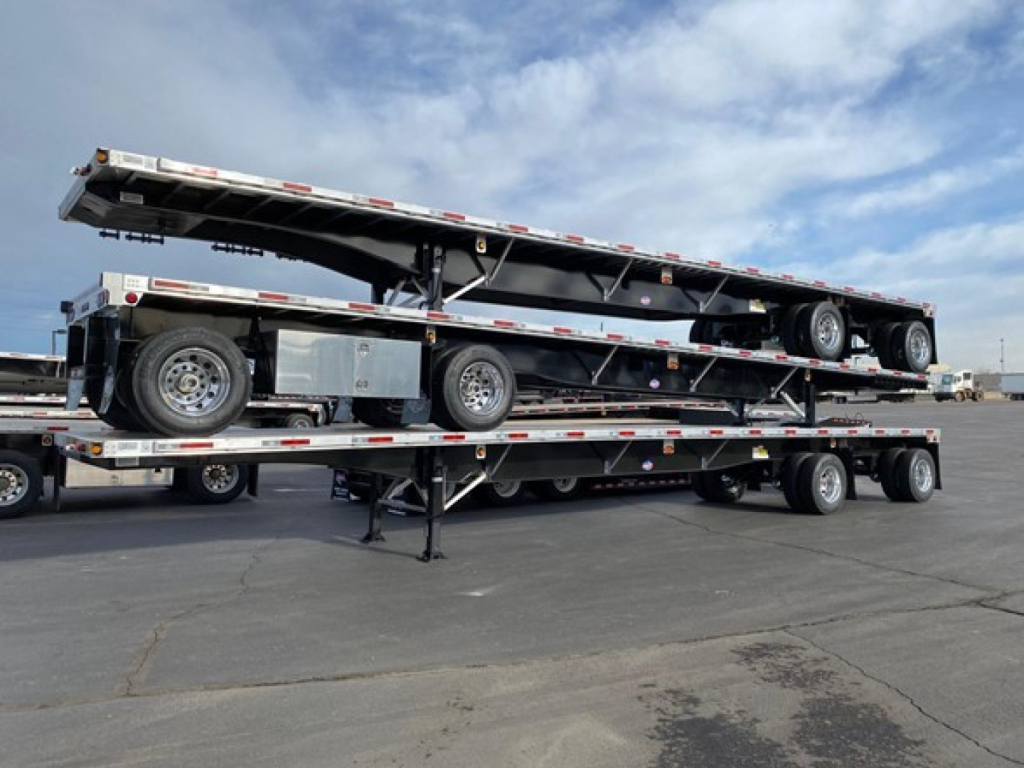
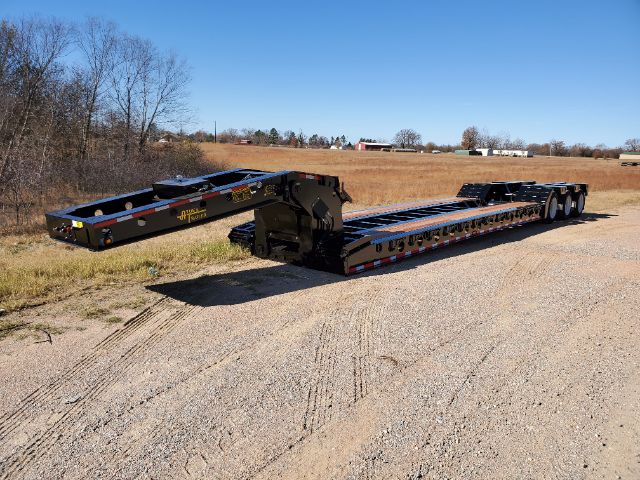
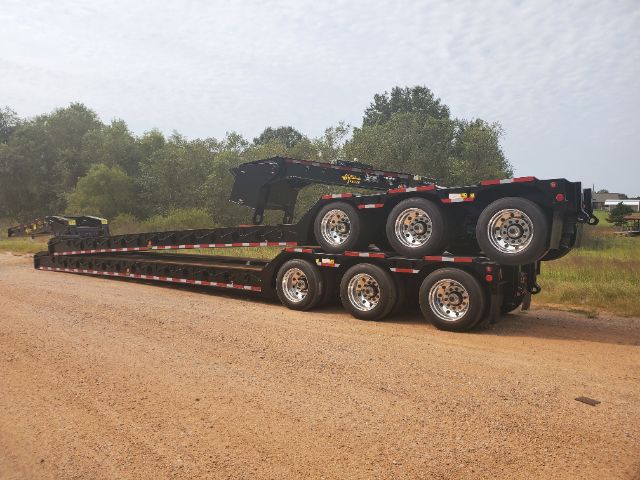
For dry and open-deck work, flatbeds and lowboys are often judged by deck length, loaded deck height, floor material, ramp setup, and axle spread. Aluminum flatbeds are valued for lower tare weight and improved payload potential, while steel designs are often chosen for demanding vocational service. Lowboy and detachable gooseneck trailers bring in additional considerations such as kingpin setting, swing clearance, outriggers, boom wells, deck transitions, and load angle. Buyers moving compact equipment may focus on hydraulic ramps, beavertails, D-ring placement, and pintle or fifth-wheel hookup, while heavy-haul applications put more emphasis on concentrated load capacity, axle spacing, and frame construction.
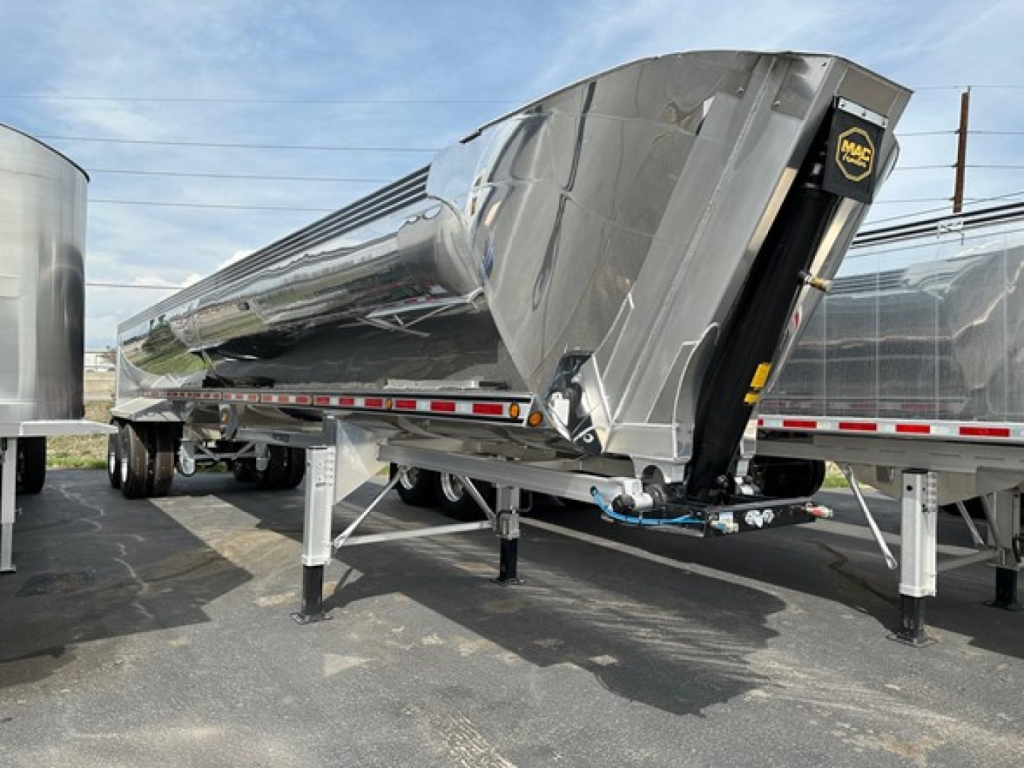
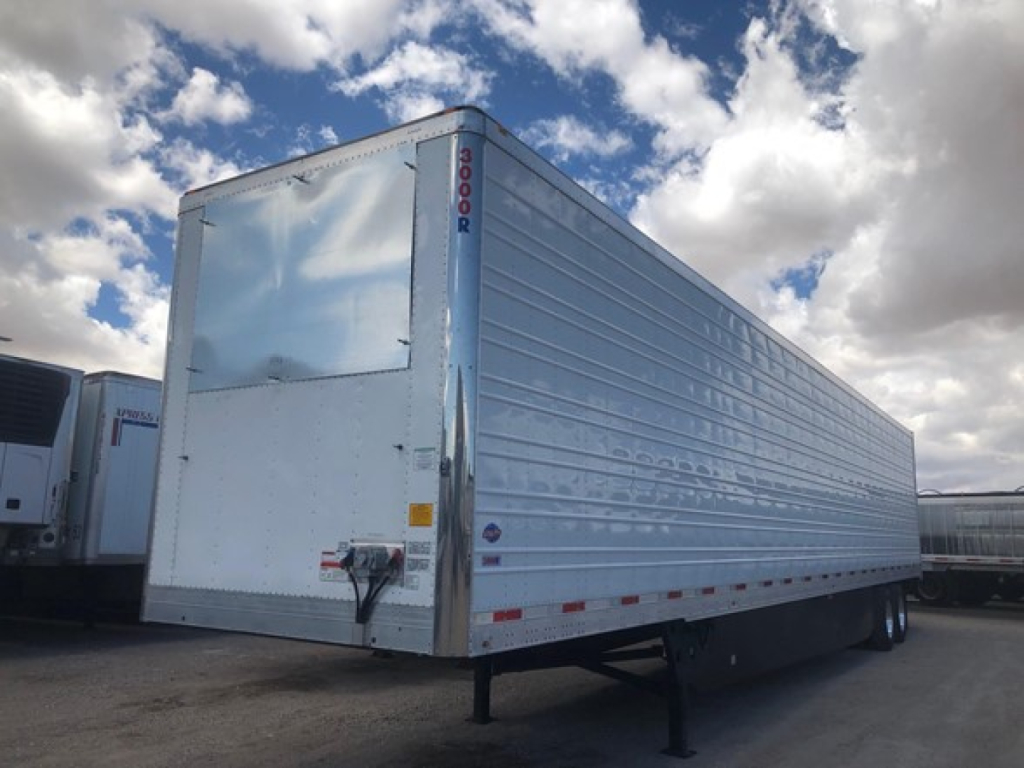
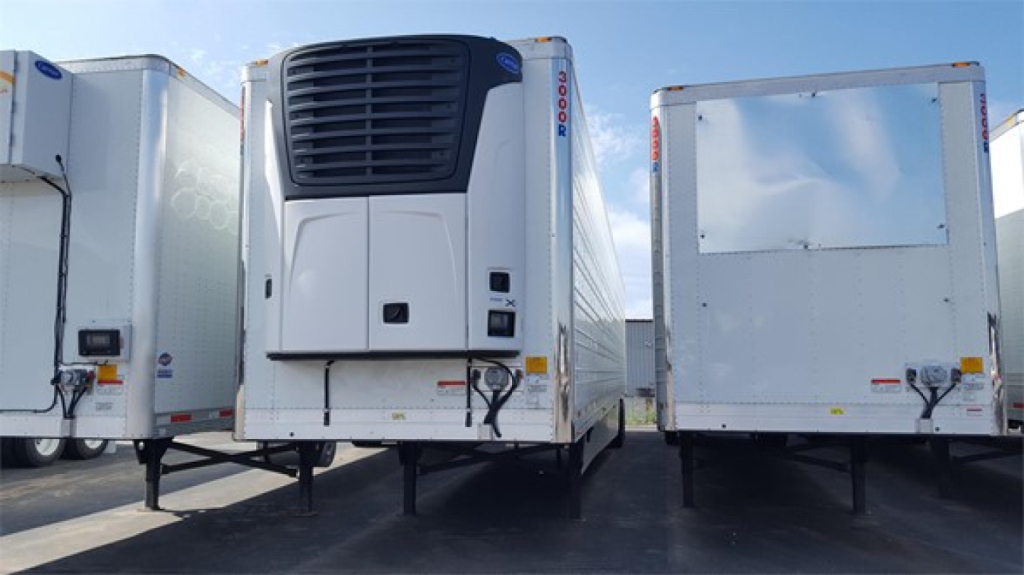
For enclosed or commodity-specific service, reefer and tank trailer specs become more critical than appearance. Refrigerated trailers are typically compared by overall length, roof construction, insulation package, air ride suspension, sliding tandem setup, wheel and tire package, and compatibility with the refrigeration unit a fleet prefers. Vacuum trailers and other tanker-style units are often selected by barrel or gallon capacity, compartment design, shell material, suspension, brake type, manway layout, and safety access features such as walkways, handrails, work lights, and sight glasses. In these applications, a buyer should confirm commodity compatibility, legal operating requirements, and whether the trailer is code or non-code for the intended service.
A new trailer appeals to buyers who want current spec options, clean maintenance baselines, and fewer unknowns around structural wear, corrosion, tires, brakes, and suspension history. It also gives fleets the chance to standardize key components such as air ride suspension, drum or disc brakes, aluminum or steel wheels, tire size, floor type, and lighting packages across multiple units. The best purchase is usually the trailer that fits the lane and loading process with the fewest compromises, not simply the highest rating on paper. Buyers should compare tare weight, legal payload, dock and loading compatibility, serviceability, and resale strength before settling on a final spec.
Frequently Asked Questions
What should I look at first when buying a new trailer?
Start with the freight and the loading process. Payload, cargo dimensions, load distribution, securement method, and how the trailer is loaded will determine whether you need a flatbed, lowboy, reefer, tanker, or another specialty design. After that, focus on axle configuration, suspension type, deck or body material, brake setup, and tare weight. Those factors affect legal payload, ride quality, maintenance cost, and how well the trailer fits your operating lanes.
Is an aluminum trailer better than a steel trailer?
Neither is automatically better. Aluminum trailers usually weigh less, which can increase payload and improve fuel efficiency in payload-sensitive operations. Steel trailers are often preferred in severe-duty applications where impact resistance and repair familiarity matter more than tare weight. The better choice depends on commodity, route conditions, corrosion exposure, and how often the trailer will see forklifts, equipment loading, or heavy point loads.
Why does suspension type matter on a new trailer?
Suspension affects ride quality, cargo protection, tire wear, and maintenance intervals. Air ride is common on many highway trailers because it helps reduce shock to the cargo and generally delivers a smoother ride. Spring ride can still make sense in certain vocational or equipment-hauling applications where simplicity and lower upfront cost are priorities. Buyers should also consider axle spacing, slide versus fixed tandem layouts, and dump or raise-lower features if the application requires them.
How do I choose the right trailer length and axle setup?
Trailer length and axle layout should match freight dimensions, bridge law requirements, and customer loading areas. A 53-foot reefer serves a very different purpose than a 48-foot flatbed or a shorter equipment trailer with a beavertail and ramps. Sliding tandems add flexibility for weight distribution and dock approach, while spread axles can help with weight placement but may affect maneuverability and tire scrub. The best setup is the one that keeps the trailer legal, practical to load, and efficient on your regular routes.
Are specialty trailers like vacuum and lowboy trailers harder to spec correctly?
Yes, because the wrong detail can limit the trailer's usefulness. On vacuum trailers, buyers need to verify capacity, shell construction, compartment design, access equipment, and regulatory suitability for the commodity being hauled. On lowboys, deck height, detached or fixed neck design, outriggers, ramp style, and concentrated load rating are all critical. Specialty trailers should be matched closely to the equipment, fluid, or jobsite conditions they will handle, because small spec differences can have a major effect on safety and productivity.