
Lowboy Trailers For Sale in Texas
Browse lowboy trailers for sale in Texas. Compare 55 to 60 ton capacity, hydraulic detach designs, deck height, axle setups, and heavy haul specs.
Learn moreBrowse Lowboy Trailers by Make
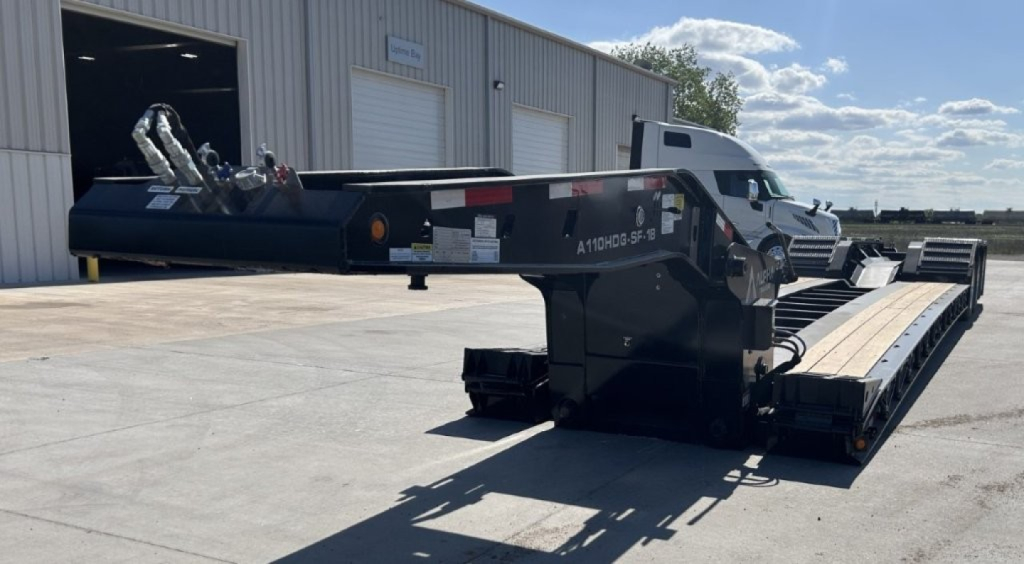

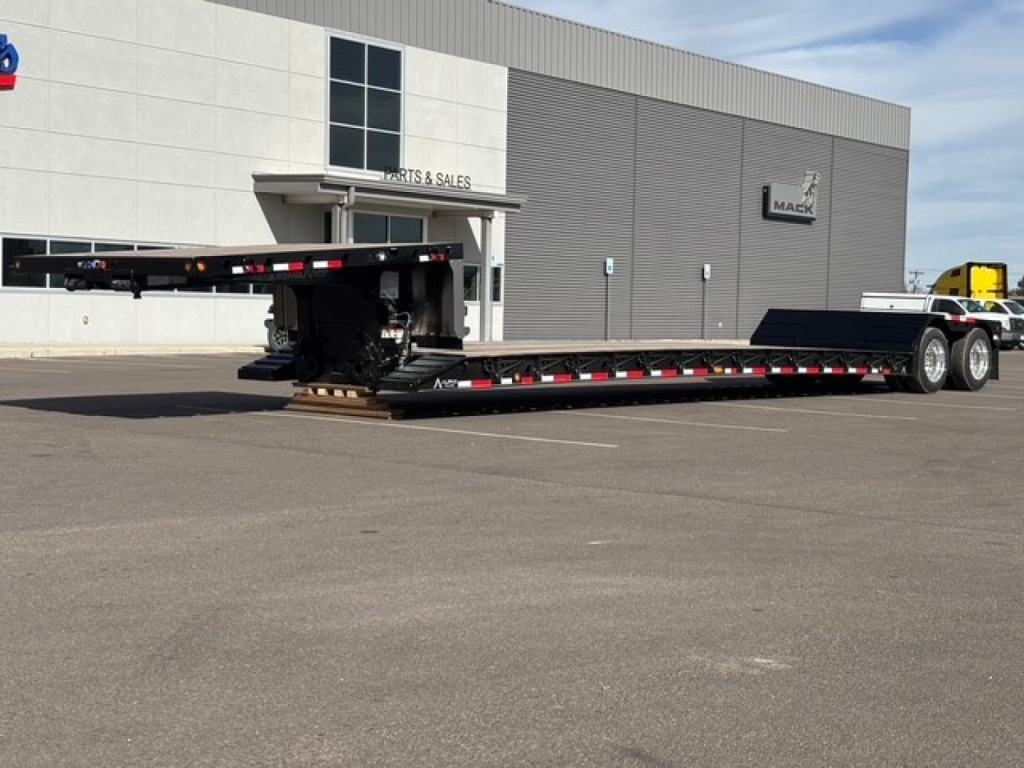
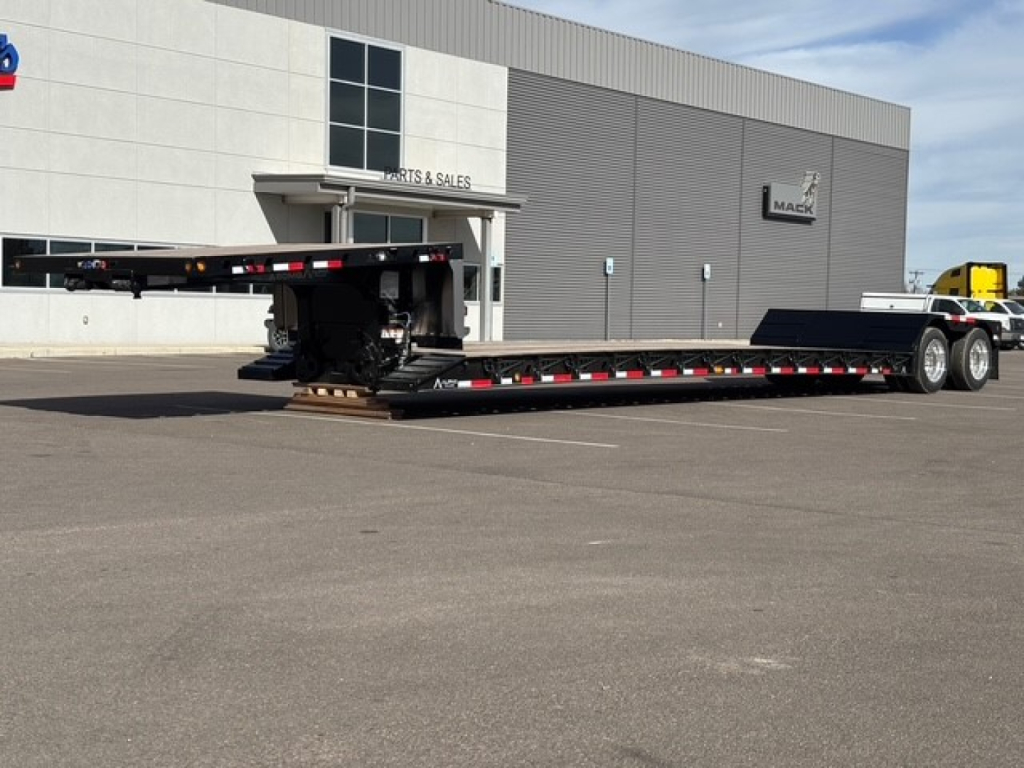
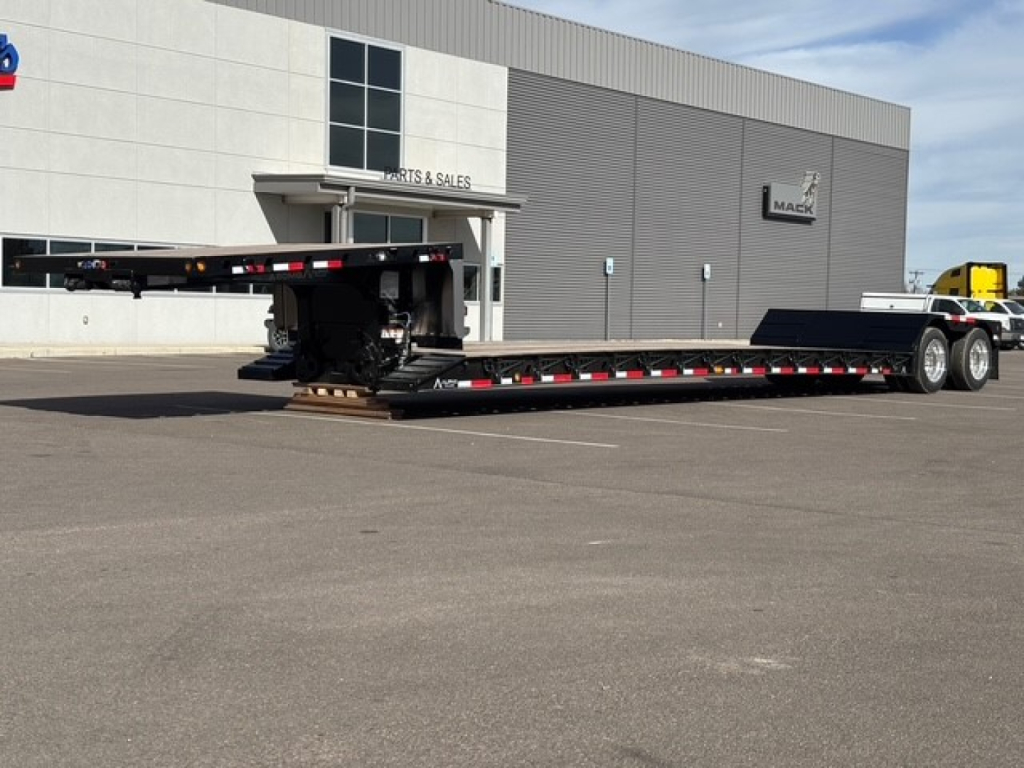
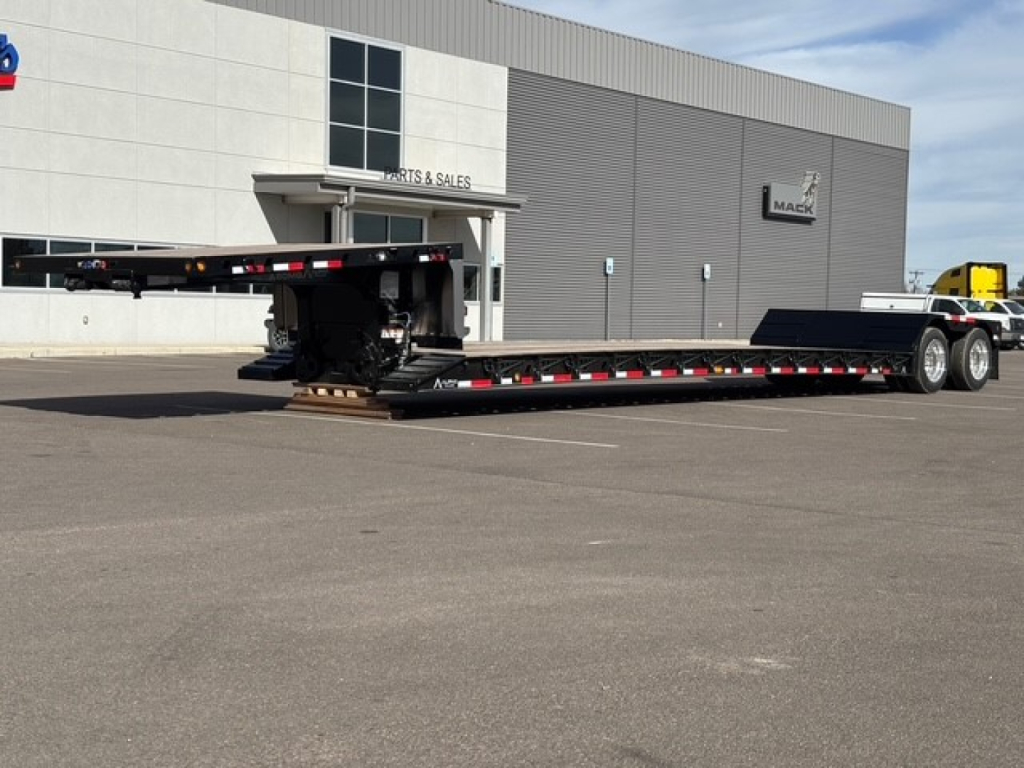
Showing 37 to 48 of 58 results
Have lowboy trailer to sell? List it here to reach thousands of buyers.
About Lowboy Trailers in Texas
Capacity, deck height, and neck style are usually the first buying decisions. In this category, 55 ton and 60 ton configurations are common, with tri-axle setups, air ride suspensions, and 25,000 to 27,500 lb axles showing up often. Loaded deck height is a major spec because 18 to 20 inches can make a real difference when hauling tall iron. Buyers should also compare fixed neck versus hydraulic detachable gooseneck designs. A hydraulic detach lowboy makes loading self-propelled equipment much easier and safer, while a mechanical or fixed-neck setup can be a simpler fit for dedicated applications. Swing clearance, kingpin settings, front flip ramps, bucket wells, and deck length all affect what machines the trailer can actually carry, not just what the capacity tag says.
Texas buyers should pay close attention to axle spacing, bridge compliance, and expandability. Many lowboys in this class use 54 inch or 60 inch axle spacing, 255/70R22.5 or 275/70R22.5 rubber, and a third axle lift to help with tire wear and maneuverability when running empty. Some models add a flip axle or offer connections for a flip box, which can be important if your freight mix changes or you regularly run permitted loads. Outriggers, chain drops on close centers, D-rings, scuff protection, reinforced flanges, and covered boom troughs are all practical features that improve load securement and trailer longevity. If you haul mixed equipment, an extendable hydraulic detachable lowboy can add flexibility for longer machines without moving into a completely different trailer class.
Condition and component spec matter as much as brand. On used lowboys, inspect neck structure, deck plating, outriggers, suspension condition, hydraulic system performance, axle alignment, brake type, and tire wear before focusing on cosmetics. Disc brakes can improve stopping consistency and reduce service intervals in some fleets, while drum brakes remain common and straightforward to maintain. Pony motor setup, manual raise and lower controls, work lights, strobes, onboard scales, and toolbox placement all affect day-to-day usability. The right lowboy trailer is the one matched to your actual freight profile, permit strategy, and loading method, with enough structural margin and axle configuration to stay productive over the long haul.
Frequently Asked Questions
What is the difference between a lowboy trailer and a standard flatbed trailer?
A lowboy trailer has a much lower deck height than a standard flatbed, which allows taller equipment to be hauled while staying closer to legal overall height limits. Lowboys are designed for heavy equipment and concentrated weight, with a dropped main deck, stronger frame construction, and axle group options that support higher capacities. A flatbed is better suited for palletized freight, building materials, and general cargo, while a lowboy is built for machines such as excavators, dozers, and large agricultural equipment.
What capacity lowboy trailer is common for heavy equipment hauling?
A common range for equipment hauling is 35 ton to 60 ton, with 55 ton and 60 ton models frequently used for construction and specialized transport. The right capacity depends on the actual operating weight of the machine, the attachment weight, the axle configuration, and permit requirements in the states where the trailer will run. Buyers should look beyond the headline ton rating and verify deck rating, concentrated load capacity, axle ratings, and compatibility with flip axles or boosters if heavier loads are part of the work.
Why choose a hydraulic detachable gooseneck lowboy?
A hydraulic detachable gooseneck lowboy allows the front of the trailer to detach so equipment can be driven directly onto the deck from ground level. This simplifies loading for tracked and wheeled machines, reduces the need for steep ramps, and can improve safety and efficiency in the field. It is especially useful for fleets loading frequently, handling varied machine sizes, or moving self-propelled equipment that benefits from a smoother loading angle.
What deck height should I look for on a lowboy trailer?
Loaded deck height is one of the most important lowboy specs because it directly affects legal loaded height and route flexibility. Many heavy haul lowboys run in the 18 inch to 20 inch loaded deck height range. A lower deck helps with taller machines, but buyers also need to account for ground clearance, jobsite terrain, ramp design, and the type of freight being hauled. The best choice is the lowest practical deck that still fits the trailer’s intended operating conditions.
What should I inspect on a used lowboy trailer?
On a used lowboy, focus on structural condition first. Check the gooseneck, main beams, crossmembers, deck surface, outriggers, load-bearing wheel areas, and any repaired sections for cracks, distortion, or heavy corrosion. Then inspect suspension components, lift axle operation, brake system condition, hydraulic detach function, tire wear patterns, lighting, and axle alignment. Uneven tire wear, weak hydraulic performance, or visible structural repairs can point to higher operating costs or previous overloading.