
Log Trailers For Sale in Alaska
Browse log trailers for sale, including plantation and highway-ready setups with bolsters, air ride, axle options, and timber-hauling specs.
Learn moreBrowse Log Trailers by Make
Have log trailer to sell? List it here to reach thousands of buyers.
About Log Trailers in Alaska
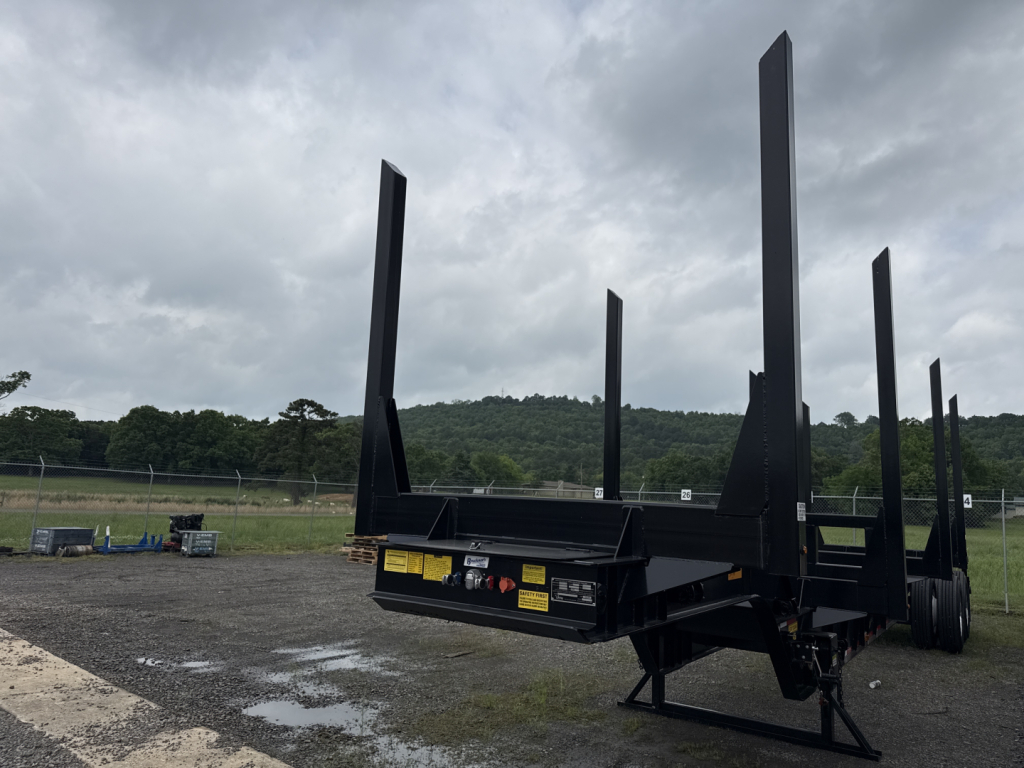
One of the biggest buying decisions is trailer style and load length. Plantation-style log trailers are often lighter and set up for shorter wood, while traditional long log setups may use different bunk spacing, reach lengths, and bolster arrangements to handle varied timber. Bolsters, stakes, grapple bars, binders, and strap systems matter as much as axle rating because they control how securely the load rides. Buyers should pay attention to bolster count, center drop design, landing gear type, kingpin placement, and overall tare weight. A lighter trailer can improve payload, but it still needs enough structural integrity for repeated loading by grapple and operation on uneven haul roads.
Suspension and brake spec are especially important in timber work. Air ride can improve road manners and help protect the trailer on long highway runs, while some operators still prefer simpler setups for harsh off-road cycles and easier serviceability. Axle ratings in the 25,000 lb range are common on heavy-duty log trailers, and tire selection should match both terrain and the support network available in remote areas. Drum brakes remain common and familiar in the logging sector, but maintenance access, corrosion resistance, and parts availability should all be considered for Alaska conditions. Cold starts, ice buildup, and long distances between service points make straightforward, durable components a real advantage.
When comparing log trailers for sale, look beyond model year and focus on how the trailer is equipped for the timber you haul and the roads you run. Check for load scale systems, winch placement, bunk and stake condition, frame reinforcement, and signs of twist or fatigue around high-stress points. Also verify legal dimensions, empty weight, and compatibility with your tractor, loading method, and regional axle laws. The best log trailer is the one that matches your wood length, payload target, road environment, and maintenance expectations without adding unnecessary tare or complexity.
Frequently Asked Questions
What should I look for first when buying a log trailer?
Start with the trailer’s intended wood length, bolster configuration, axle rating, and frame design. Those core specs determine whether the trailer matches your hauling application and legal payload goals. After that, review suspension type, brake system, tare weight, landing gear, tire size, and how the trailer is set up for loading and securement. On a used unit, pay close attention to frame cracks, bolster wear, stake pockets, crossmember fatigue, and corrosion in high-stress areas.
Are air ride log trailers a good choice for Alaska hauling?
Air ride can be a strong option when the trailer sees a mix of woods roads and longer highway miles because it improves ride quality and can reduce vibration through the chassis. That said, Alaska operators also weigh serviceability and cold-weather durability. Air systems add components that need to stay functional in freezing, wet, and remote conditions. The right choice depends on how rough the haul roads are, how far the trailer runs on pavement, and how much field maintenance support is available.
How many bolsters does a log trailer need?
The right number of bolsters depends on the length, diameter mix, and type of timber being hauled. A four-bolster setup is common on lighter plantation-style trailers, but different wood lengths and weight distribution needs may call for another arrangement. Proper bolster spacing helps stabilize the load, improves securement, and reduces stress concentration on the trailer frame. Buyers should match bolster layout to the average log package rather than assuming more or fewer bolsters is always better.
What is the advantage of a lightweight log trailer?
A lightweight log trailer can increase legal payload by reducing tare weight, which directly affects revenue per trip. That benefit only matters if the trailer still has enough structural capacity for repeated grapple loading, rough-road flex, and heavy timber cycles. The best lightweight designs save weight without sacrificing strength in the bolsters, neck, suspension mounts, and other high-load areas. Buyers should compare empty weight alongside axle ratings and frame construction, not by tare weight alone.
What maintenance points are most important on a log trailer?
The most important maintenance areas are bolsters, bunk hardware, stakes, suspension components, brake assemblies, wheel ends, tires, and all structural weld zones. Logging trailers see repeated shock loading, twisting, and exposure to mud, moisture, and debris, so small cracks or worn mounting points can grow quickly. In Alaska, corrosion control, air and brake line condition, and tire availability are also important because remote operation leaves less room for roadside repair delays. A trailer with simple, durable components and easy inspection access is often the most practical long-term choice.