
Trailers For Sale Near Hubbard, Ohio
Browse trailers for sale in Hubbard, Ohio including flatbed and lowboy designs with common specs, axle setups, deck options, and hauling uses.
Learn more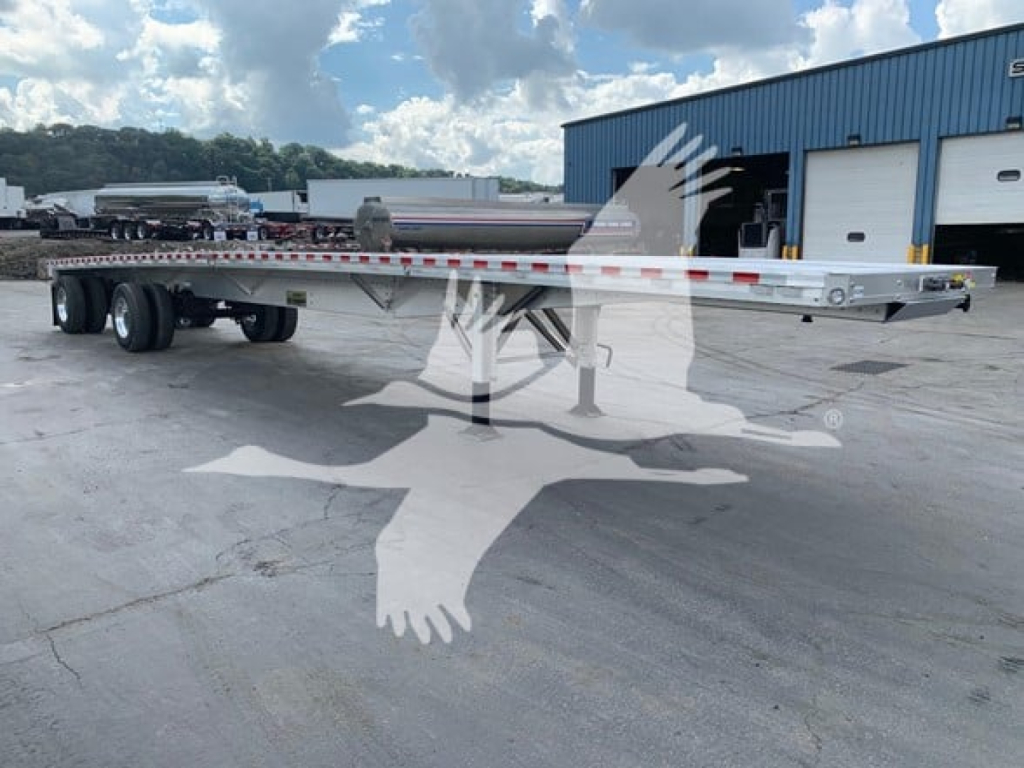
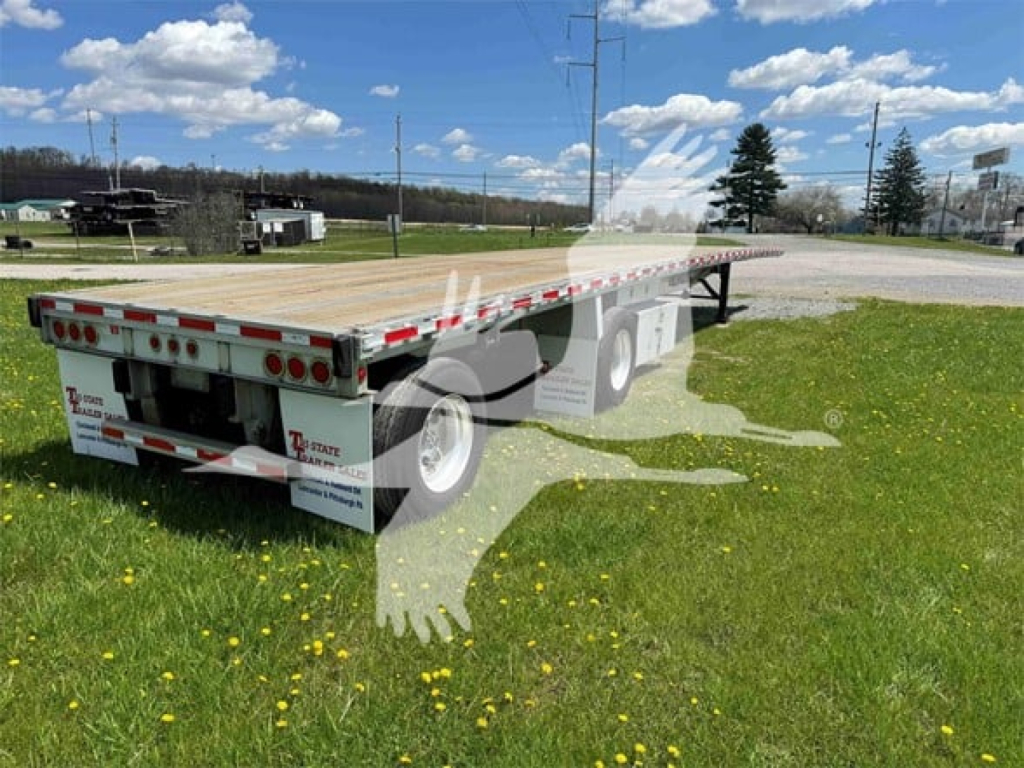
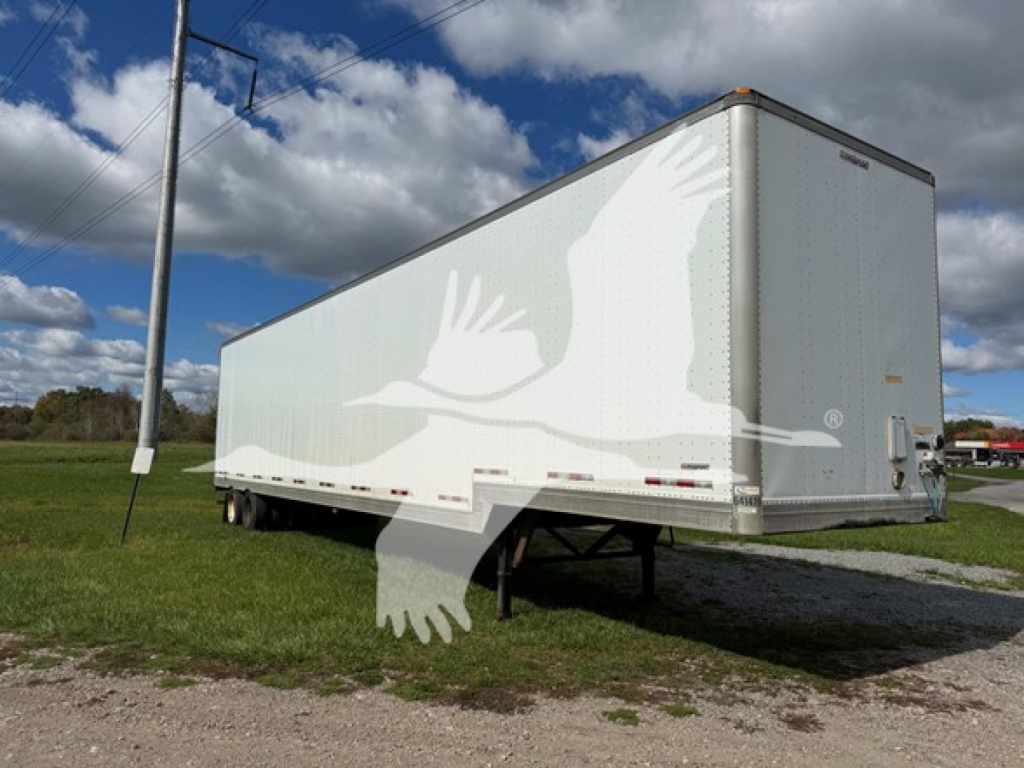
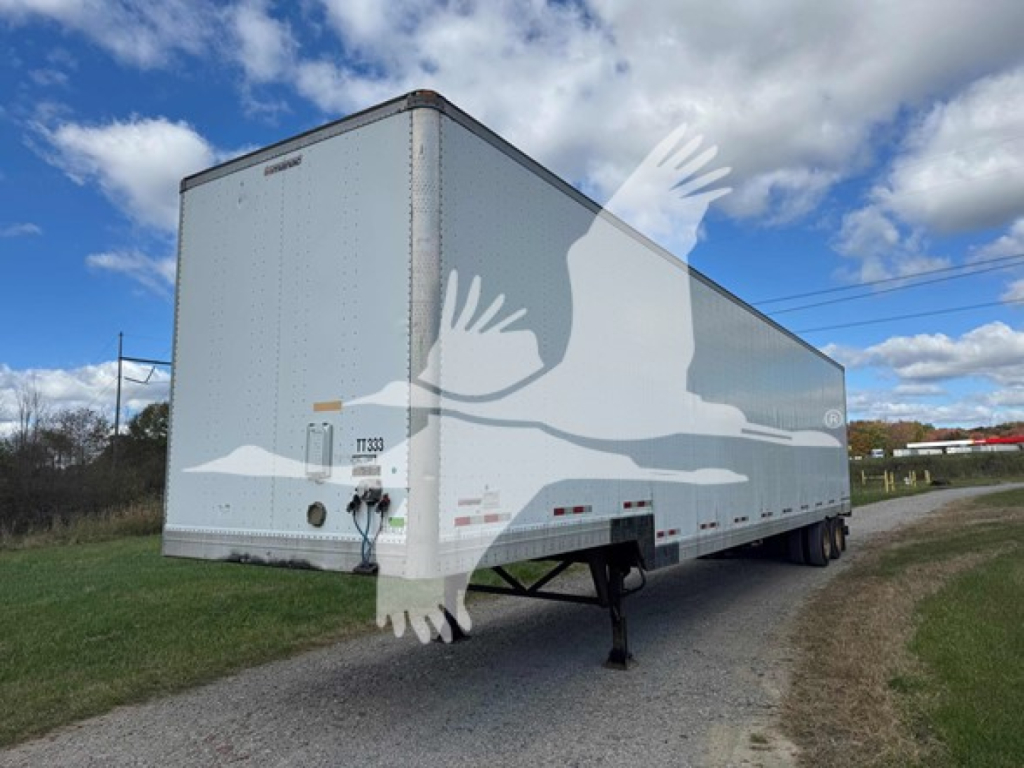
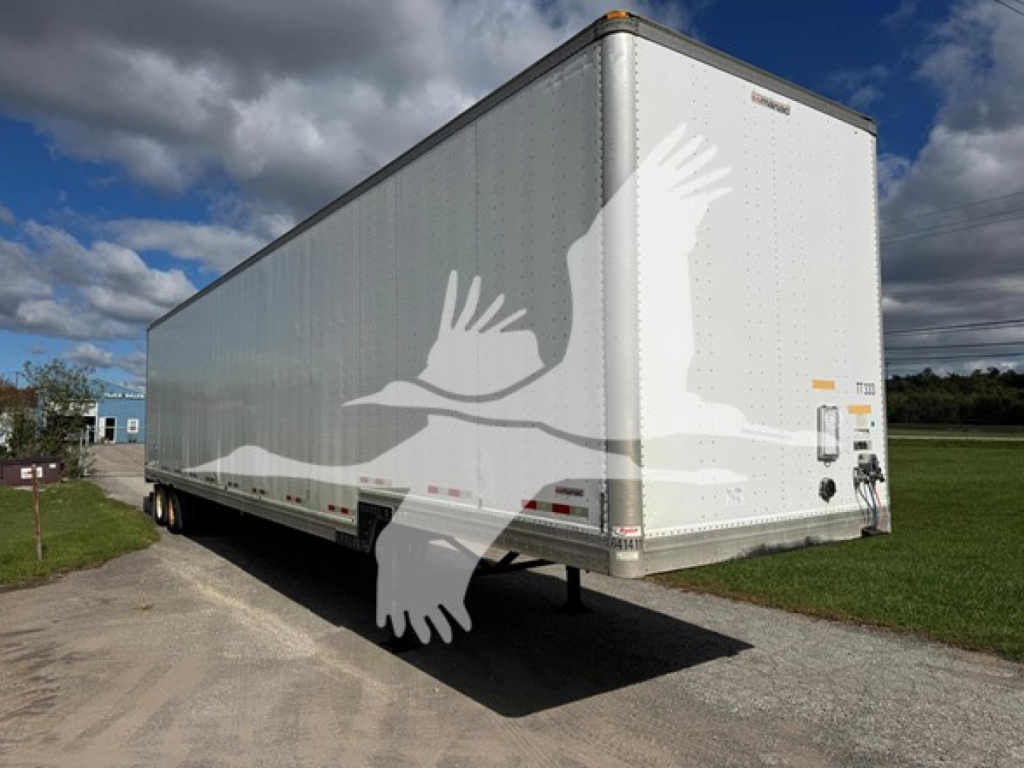
Showing 37 to 48 of 65 results
Have trailer to sell? List it here to reach thousands of buyers.
About Trailers Near Hubbard, Ohio
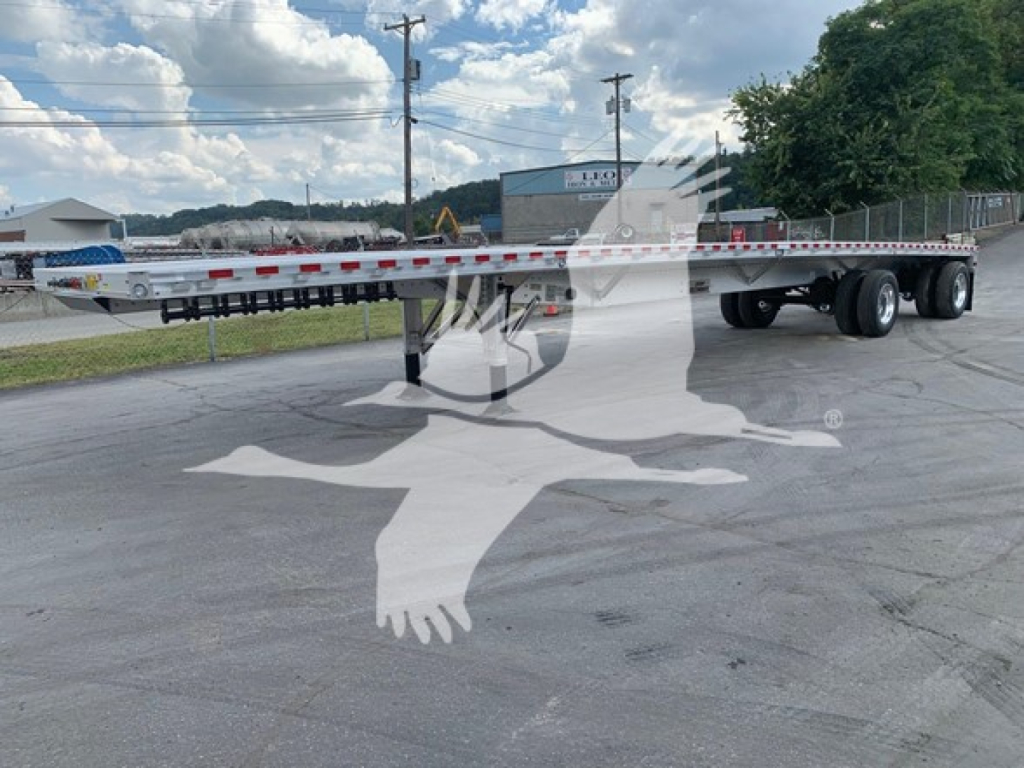
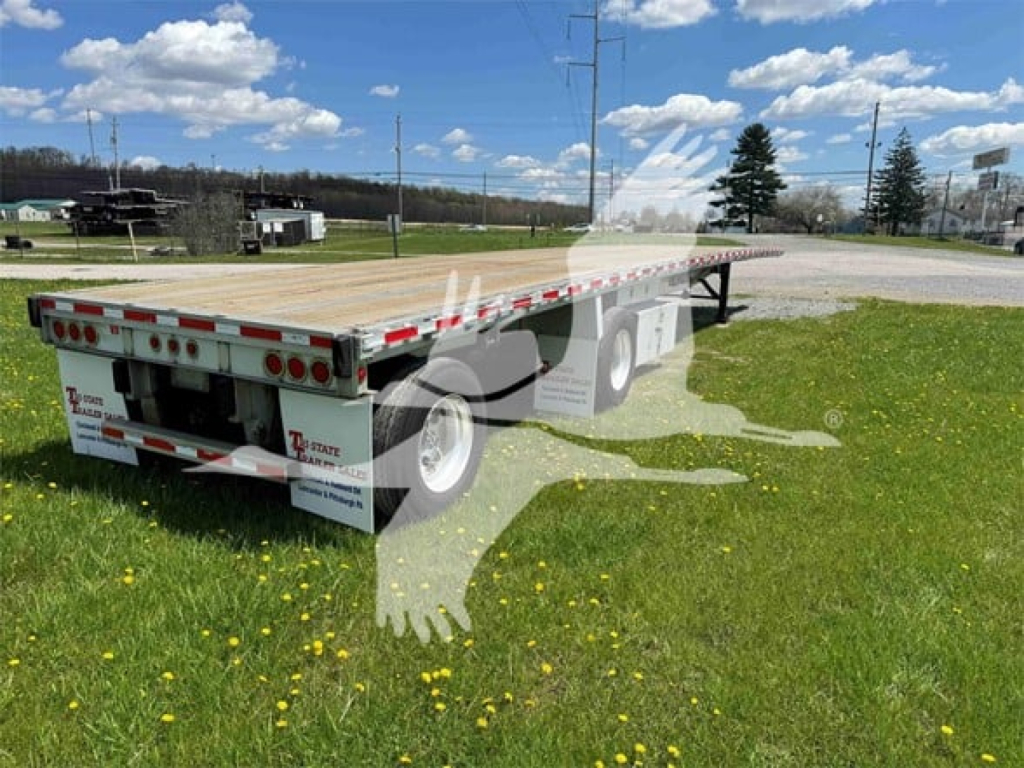
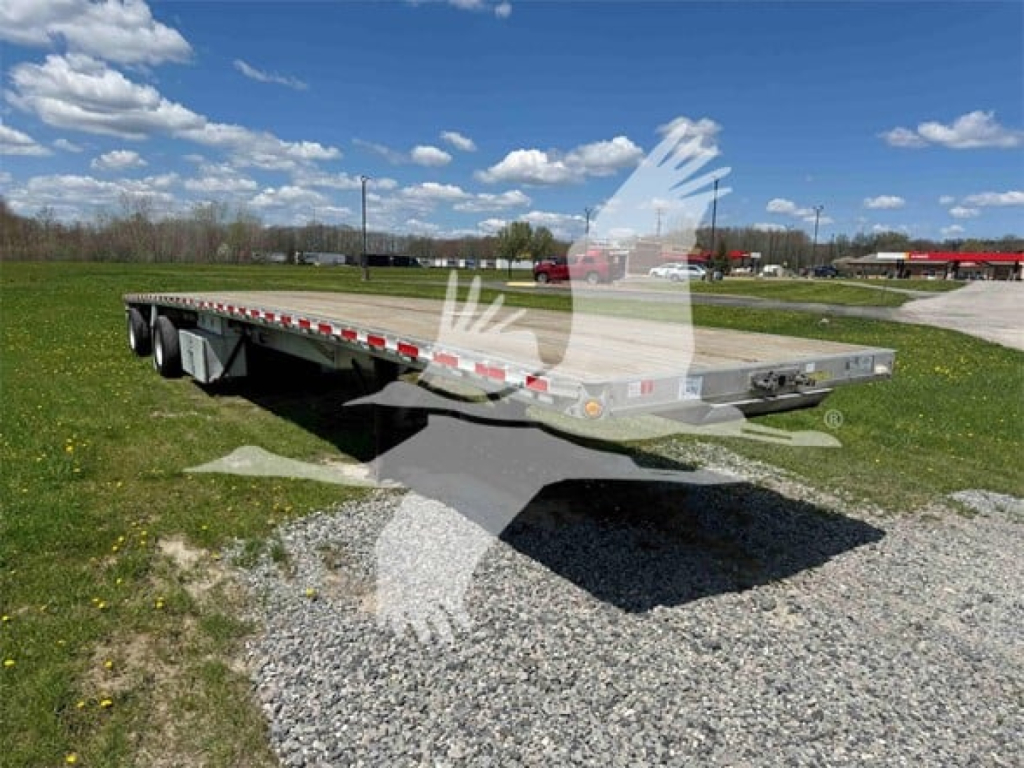
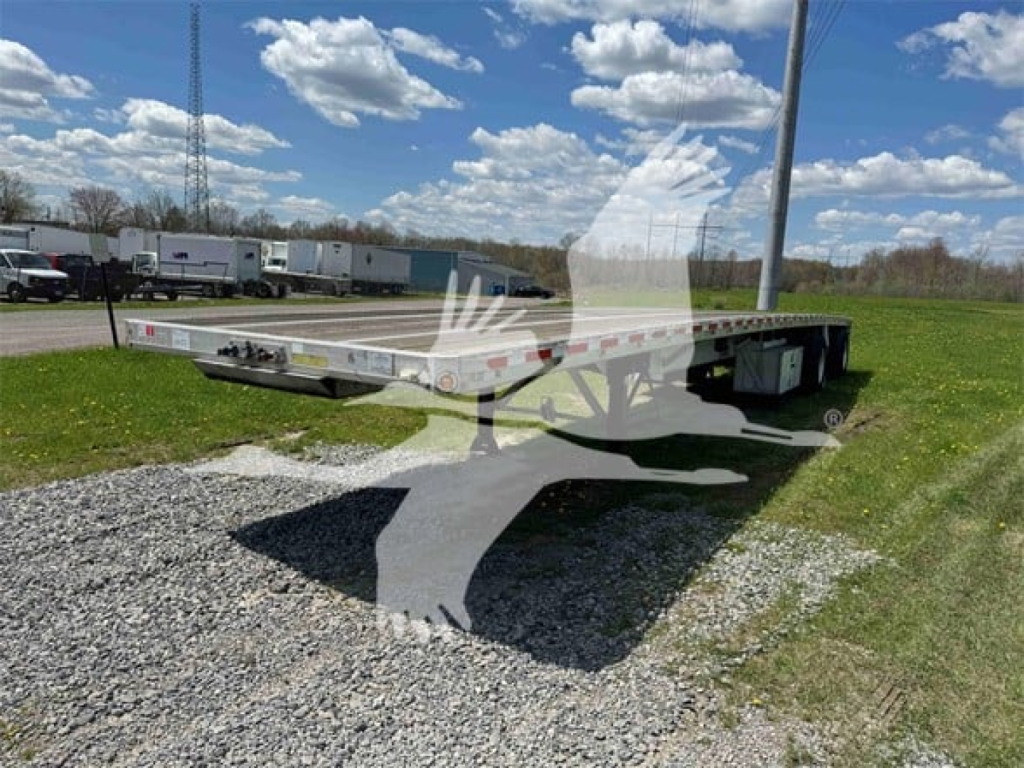
Flatbed buyers usually compare aluminum versus steel construction first. Aluminum flatbeds, such as many Reitnouer-style designs, are favored when payload matters because tare weight stays low while corrosion resistance stays high. Steel flatbeds tend to be heavier but can make sense in severe-duty service, especially on specialized or extendable platforms. Common specs include 48-foot by 102-inch decks, tandem axles, fixed spread or sliding tandem suspension settings, and either air ride or spring ride. Important details to check include crossmember spacing, kingpin setting, winch track location, number of sliding winches, stake pockets, pipe spools, nail strips, coil package reinforcement, landing gear brand, brake type, and tire inflation systems. If your freight mix includes coils, dense building materials, or short concentrated loads, deck rating in a defined length such as 10 feet or 4 feet is more important than gross trailer rating alone.
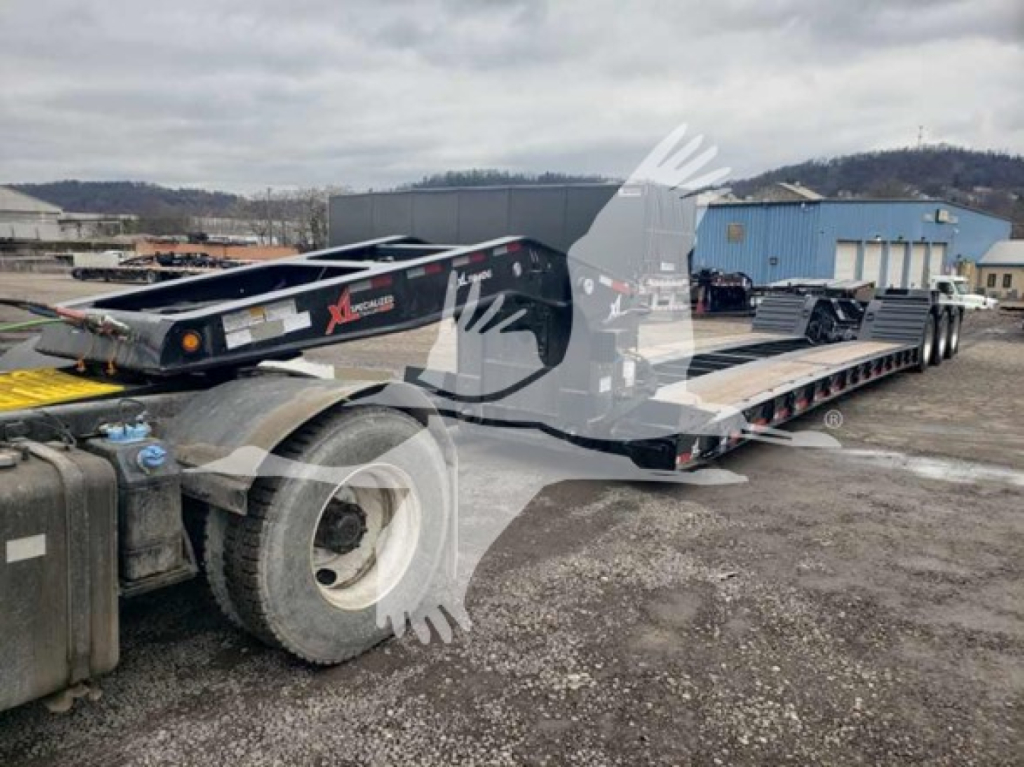
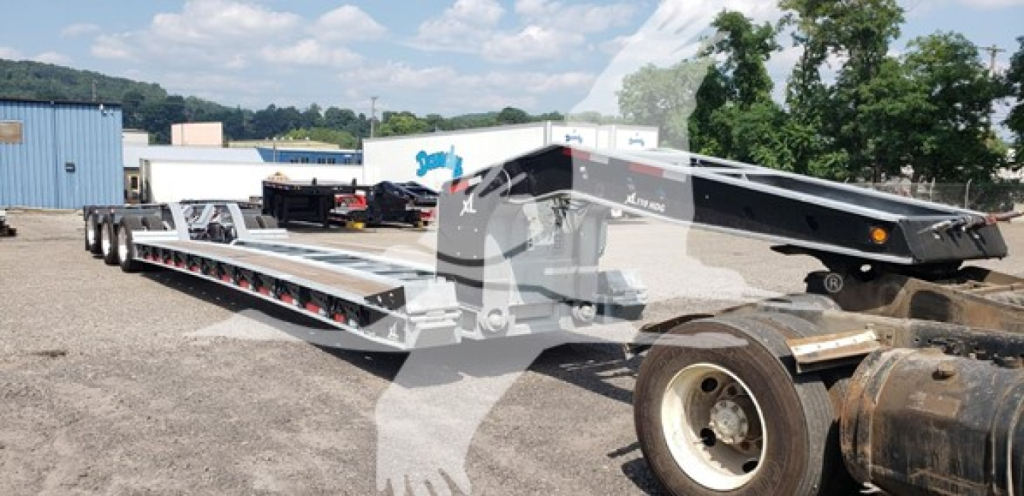
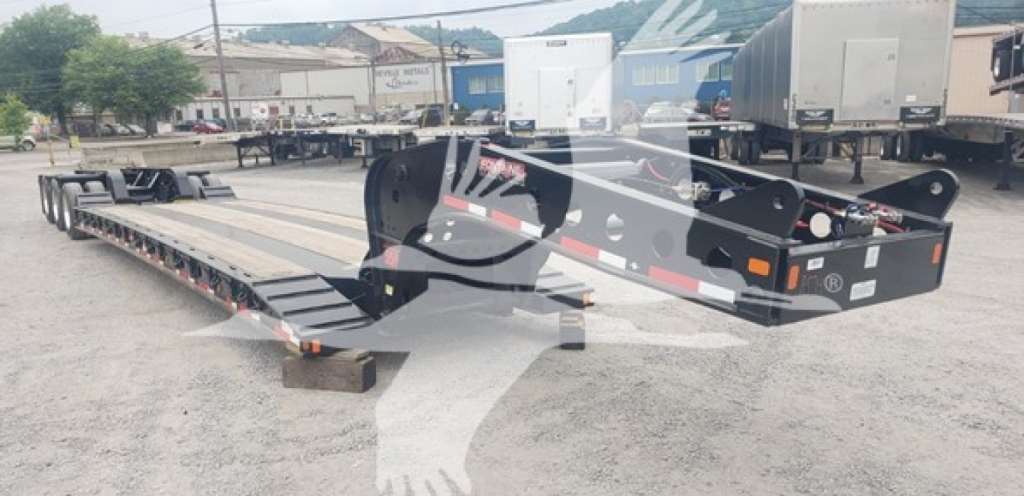
Lowboy trailers are a different buying decision. Here, deck height, detachable neck type, axle count, outriggers, and rated capacity drive the conversation. Hydraulic detachable goosenecks are common because they simplify loading of crawlers, paving equipment, agricultural machines, and other self-propelled equipment. Buyers should pay close attention to loaded fifth wheel height, main deck length, loaded deck height, swing clearance, ramp or slope design, and whether the trailer is built to accept flip axles, jeep combinations, or neck extensions. Apitong flooring, perimeter beam construction, D-rings, removable swing outriggers, ride height controls, dump valves, and non-ground bearing necks are all features that affect day-to-day usability and long-term service life. On heavier models, compatibility with future axle additions can be as important as the base rating on the data plate.
For buyers in Hubbard, Ohio and across the region, trailer spec should also reflect route conditions, permit requirements, and the type of freight lanes you run. Air ride is often preferred for machinery and sensitive loads, while spring ride can still be a practical fit on certain flatbeds and extendable trailers where simplicity matters. Tire size, wheel material, brake configuration, suspension brand, and frame condition all affect maintenance cost after the sale. Used trailers deserve close inspection at the neck, crossmembers, suspension hangers, side rails, draft arms, and floor attachment points, especially on equipment that has seen concentrated steel or equipment hauling. A well-matched trailer is not just about length and price. It is about legal payload, loading efficiency, securement options, and how the trailer fits your freight profile over the long haul.
Frequently Asked Questions
What is the difference between a flatbed trailer and a lowboy trailer?
A flatbed trailer is an open-deck trailer designed for freight that can be loaded from the side, rear, or top, including steel, lumber, pallets, and general machinery. A lowboy trailer has a much lower deck height and is designed for taller, heavier equipment that would exceed legal height on a standard flatbed. Lowboys also commonly use detachable goosenecks, outriggers, and heavier axle group configurations to handle concentrated equipment loads.
How do I choose between an aluminum flatbed and a steel flatbed trailer?
An aluminum flatbed usually offers lower tare weight, which helps maximize legal payload and reduce corrosion concerns. A steel flatbed is typically heavier but may be preferred in severe-duty applications or on certain specialized platforms where structural layout and repair familiarity matter. The right choice depends on freight density, operating environment, maintenance practices, and how important payload is to your revenue per trip.
What specs matter most when buying a lowboy trailer?
The most important lowboy specs are rated capacity in a stated deck length, loaded deck height, main deck length, neck style, axle count, and compatibility with flip axles or other booster configurations. Buyers should also review swing clearance, outriggers, D-ring placement, flooring material, ride height controls, and the trailer's ability to load the specific machines in their fleet. A lowboy that fits the machine dimensions and axle weight distribution is more valuable than one with a higher advertised tonnage alone.
Why does crossmember spacing and deck reinforcement matter on a trailer?
Crossmember spacing affects how the trailer carries concentrated loads and how well the deck holds up under repeated heavy use. Tighter centers and reinforcement packages such as coil packages are important when hauling steel coils, machinery, or other dense freight that puts high stress into a short section of deck. Wider spacing may be acceptable for lighter or more evenly distributed cargo, but buyers moving heavy point loads should treat understructure design as a major spec, not a minor detail.
What should I inspect first on a used trailer?
Start with the frame, neck area, suspension mounting points, crossmembers, flooring, brakes, tires, and wheel ends. On flatbeds, inspect side rails, winch tracks, stake pockets, pipe spools, and any signs of deck sag or concentrated load damage. On lowboys, inspect the gooseneck connection points, hydraulic components, outriggers, main deck structure, and wear at loading transition areas. Tire age, brake condition, and signs of previous structural repair can tell you as much about future ownership cost as the trailer's age.