
Load King Flips/Converter Dollies/Jeeps Trailers For Sale in Kansas
Shop Load King flips, converter dollies, and jeeps for heavy haul setups. Compare axle ratings, spacing, suspension, width, and compatibility.
Learn more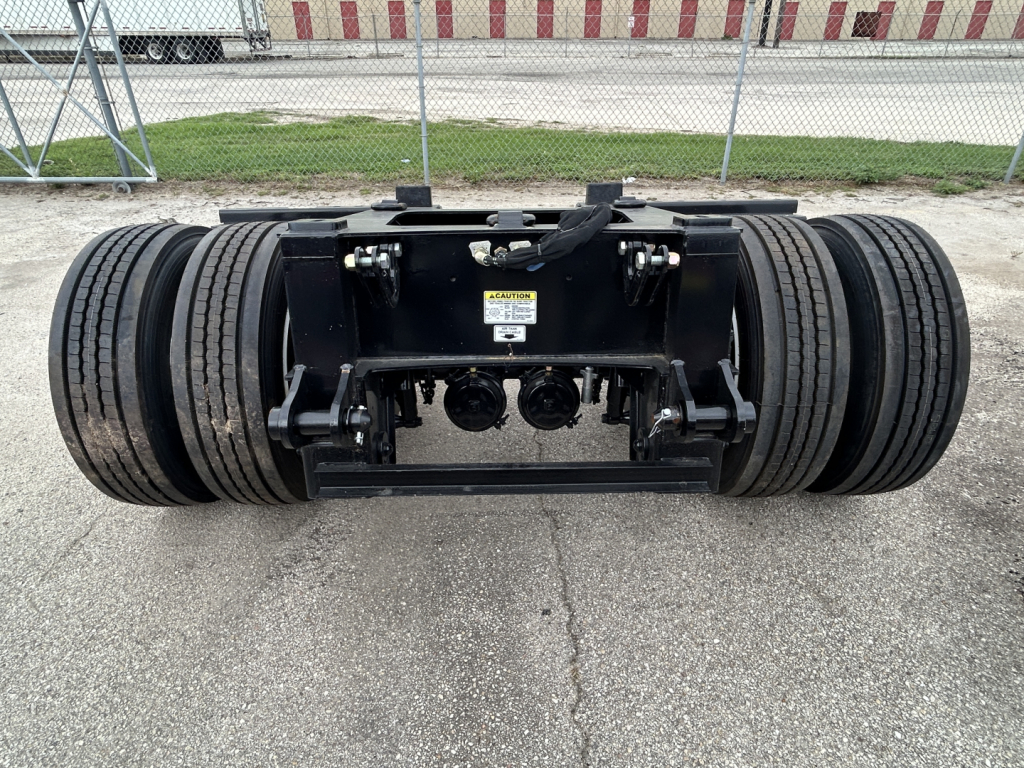
Have load king flips/converter dollies/jeeps trailer to sell? List it here to reach thousands of buyers.
About Load King Flips/Converter Dollies/Jeeps Trailers in Kansas
On a flip axle, the practical buying questions are width, ton rating, axle count, suspension, and wheel-tire package. Load King units in this class are commonly seen in 8-foot 6-inch and 9-foot widths, with single axle configurations around 27,500 pounds per axle and total trailer system ratings in the 55-ton to 60-ton range depending on the base trailer and legal setup. Many are equipped with air ride suspension, often with Hendrickson components, along with 275/70R22.5 rubber, aluminum outer wheels, and lighting packages that support oversize and permitted hauling. Features like independent leveling valves, isolation kits, and support brackets matter because they affect ride quality, load stability, and how well the added axle tracks under real heavy haul conditions.
A jeep or converter dolly changes the load distribution at the front of the trailer combination and can be the right tool when steer axle and drive axle weights become the limiting factor. In permit work, that can make the difference between a workable route and a dead end. Buyers in Kansas and surrounding heavy haul corridors often pay close attention to bridge law, state-to-state permit acceptance, and the exact kingpin-to-axle dimensions of the full combination. A well-matched jeep or dolly can improve legal payload, but only if the dimensions and axle groupings line up with the tractor, neck, and trailer you already operate.
The best way to shop this category is to treat each unit as part of a system, not as a standalone trailer. Verify the intended trailer series, loaded axle group targets, suspension type, tire size, and lighting or plug configuration before focusing on price. Heavy haul buyers also tend to look closely at serviceability, especially brake components, ride control parts, and tire commonality across the fleet. When the specs are right, Load King flips, converter dollies, and jeeps can add flexibility to a specialized hauling operation without forcing a complete change in trailer platform.
Frequently Asked Questions
What is the difference between a flip axle, a converter dolly, and a jeep?
A flip axle is an auxiliary axle assembly added to the rear of a trailer to increase capacity and improve weight distribution. A jeep is installed between the tractor and trailer neck to create an additional axle group at the front of the combination, helping shift weight off the tractor. A converter dolly is a separate axle assembly used to connect and support trailer combinations, though in heavy haul listings the term is sometimes used more broadly for specialty axle converter equipment. The right choice depends on where the combination needs more legal axle capacity and how the trailer is designed to connect.
How do I know if a Load King flip or jeep will fit my trailer?
Fitment starts with the trailer series and connection design. You need to confirm the unit was built for your trailer family, then verify deck width, axle spacing, ride height, connection points, electrical plug style, and brake configuration. On heavy haul combinations, a small mismatch in dimensions can affect tracking, deck height, or legal bridge spacing. Buyers should also check whether the manufacturer intended the axle group for a specific ton rating or neck setup rather than assuming universal compatibility.
Why does axle spacing matter on flips, dollies, and jeeps?
Axle spacing directly affects bridge law compliance, permitted weight distribution, and how the combination scales by axle group. In practical terms, the spacing determines how weight is shared across the setup and whether the load can be permitted in a given state. It also influences turning behavior and tire scrub. For heavy haul work, spacing is not a minor detail. It is one of the main factors that determines if the added axle group actually improves your legal payload.
Are air ride suspensions common on heavy haul flip axles?
Yes. Air ride suspension is common because it helps manage load equalization, ride quality, and axle tracking under variable heavy haul conditions. Systems from suppliers such as Hendrickson are often specified on this type of equipment. Features like independent leveling valves and suspension isolation components can further improve stability and reduce harsh transfer into the trailer frame. Buyers should still confirm the suspension matches the trailer's intended application and maintenance preferences.
What specs should I compare first when shopping this category?
Start with compatibility, rated capacity, axle count, axle spacing, and width. Then review suspension type, tire size, wheel package, lighting, and electrical connections. If the unit is part of a permitted heavy haul setup, also look at how it changes kingpin settings, overall axle group dimensions, and legal weight distribution with your tractor and trailer. Those details usually matter more than cosmetic differences because they determine whether the equipment will actually work in your hauling program.