
Wabash Drop Deck Trailers For Sale in Pennsylvania
Shop Wabash drop deck trailers for sale in Pennsylvania. Compare steel and combo low-profile specs, deck height, axle setup, and payload fit.
Learn more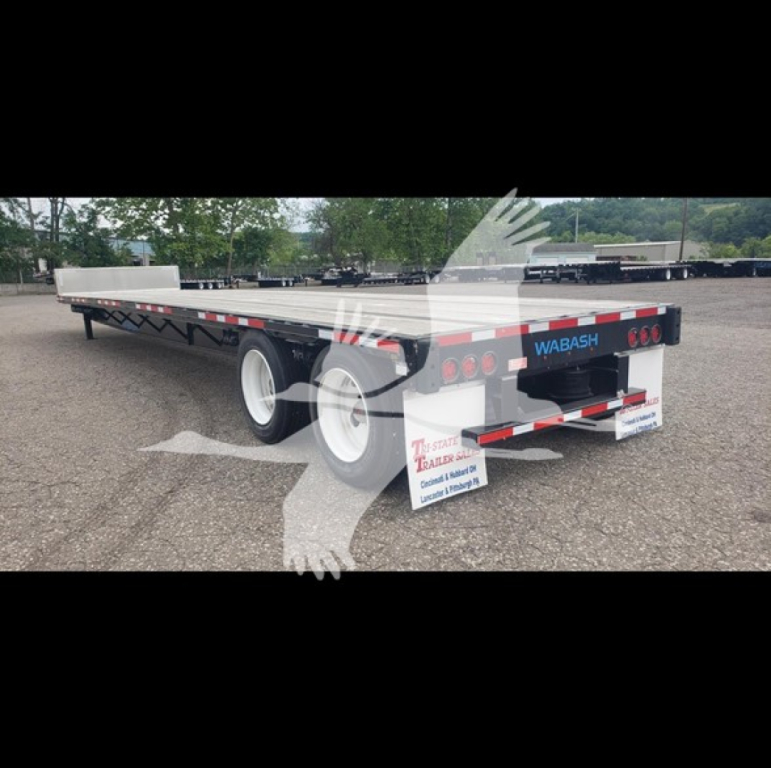
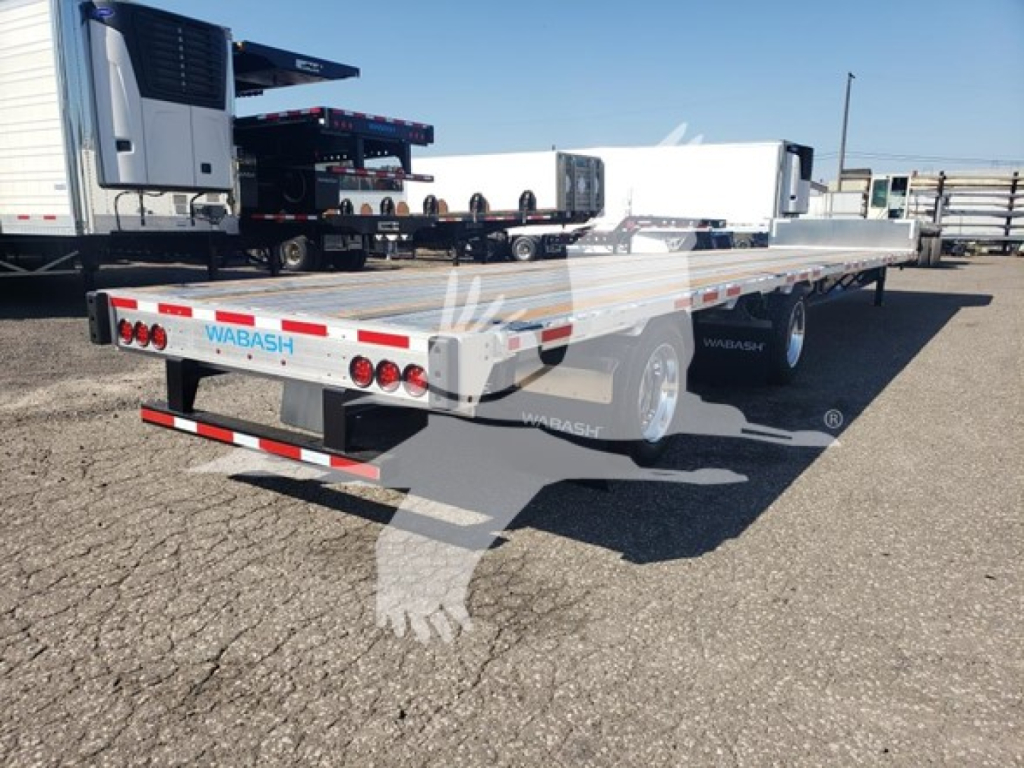
Have wabash drop deck trailer to sell? List it here to reach thousands of buyers.
About Wabash Drop Deck Trailers in Pennsylvania
Common Wabash configurations in this category include 48-foot and 53-foot lengths, usually with a 10-foot upper deck and the balance in the lower deck. Buyers should pay close attention to main deck height, crossmember spacing, kingpin setting, and whether the tandem is fixed or sliding. A fixed-closed tandem can be a good fit for operators that prioritize structural simplicity and known loading patterns. A slider adds bridge-law and axle-position flexibility, which matters if the trailer will cross state lines or handle changing commodity weights. Air ride suspensions from Hendrickson are common, and features like dump valves and tire inflation systems can help with load protection, tire life, and day-to-day operating costs.
Tie-down equipment is another major separator in Wabash drop decks. Winch tracks, sliding winches, double pipe spools, and multi-position tie-down systems all affect how quickly a driver can secure mixed freight. Flooring also deserves a close look. Apitong wood floors remain popular for grip, forklift friendliness, and field repairability, while aluminum floors with wood nailing strips help reduce trailer weight. Beam ratings in a 4-foot section are worth checking if the trailer will see concentrated equipment loads such as forklifts, compact construction machines, or steel products. Container locks can also matter for operators who want a drop deck that can handle occasional intermodal or specialized container work.
For Pennsylvania buyers, corrosion resistance, winter serviceability, and parts support matter as much as published specs. Steel models can be easier to repair after hard use, but combo constructions can make sense if payload is the priority and maintenance is disciplined. Look closely at wheel and tire size, landing gear brand, lighting layout, and mud flap bracket placement, since those details affect uptime and service access. A well-spec'd Wabash drop deck is best judged by how its deck height, tare weight, suspension, and securement package match the freight you actually haul.
Frequently Asked Questions
What is the main advantage of a Wabash drop deck trailer over a flatbed?
A Wabash drop deck trailer gives you more cargo height than a standard flatbed because the main deck sits lower behind the upper deck. That lower deck helps operators haul taller freight while staying closer to legal overall height limits. It is a common choice for machinery, crated equipment, building materials, and other loads that are too tall for a conventional flatbed but do not require a detachable lowboy.
How do I choose between a steel Wabash drop deck and a combo or aluminum model?
Steel trailers usually appeal to buyers who value durability, straightforward repairs, and long-term toughness in severe service. Combo and aluminum-rich models reduce empty weight, which can improve payload capacity and fuel efficiency, but they may require a more disciplined maintenance approach depending on duty cycle. The right choice depends on the freight mix, how often the trailer sees concentrated loads, and whether tare weight or repair simplicity is the bigger priority in your operation.
Why does deck height matter so much on a drop deck trailer?
Deck height directly affects how much cargo height you can carry before exceeding legal overall height. A low-profile setup with 17.5-inch tires can reduce main deck height compared with a traditional 22.5-inch wheel configuration, which creates more room for tall freight. That extra clearance can be the difference between running a load legally without permits and having to route it as overheight freight.
What specs should I focus on when comparing Wabash drop deck trailers?
The most important specs are overall length, upper deck length, main deck length, main deck height, trailer weight, beam rating, axle configuration, suspension type, and securement equipment. Buyers should also review crossmember spacing, kingpin setting, tandem slider or fixed suspension layout, flooring material, tire size, and the number and style of winches or tie-down points. These details determine how the trailer loads, how it scales, and how well it fits your freight.
Is a sliding tandem important on a Wabash drop deck in Pennsylvania and regional hauling?
A sliding tandem can be very useful if the trailer runs multiple states, sees varied commodity weights, or needs bridge-law flexibility. It allows the axle group to be repositioned to help with legal weight distribution and different loading patterns. A fixed tandem can still be a good choice for operations with predictable freight and dedicated lanes, but a slider gives more versatility for mixed regional work.