
Used Trail-Eze Drop Deck Trailers For Sale in New York
Browse used Trail-Eze drop deck trailers for sale, including low deck heavy-haul models with hydraulic ramps, sliding tandems, and steel construction.
Learn more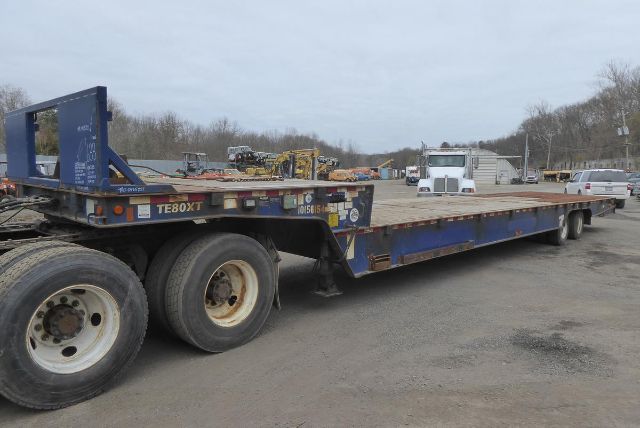
Have used trail-eze drop deck trailer to sell? List it here to reach thousands of buyers.
About Used Trail-Eze Drop Deck Trailers in New York
On used Trail-Eze units, deck layout matters as much as gross rating. Common details include a raised front deck, a lower main deck for legal loaded height, and hydraulic rear sections or ramps for loading tracked and wheeled equipment. Steel construction is common, often paired with a wood-and-steel floor for durability and repairability. Sliding closed tandems, air ride suspension, 17.5-inch rubber, and heavy-duty hub-piloted wheels are all features seen on this brand. If the trailer will be used for paving equipment, compactors, skid steers, lifts, or mixed construction machinery, check usable deck length, loaded deck height, beavertail or hydraulic ramp geometry, and how the axle position affects bridge law compliance.
In New York, buyers should pay close attention to overall height, axle spread, empty weight, and how the trailer fits regional permit and route requirements. A heavier Trail-Eze can offer better durability and loading confidence, but tare weight directly affects payload and may matter on shorter hauls where every pound counts. Hydraulic systems deserve a close inspection on used equipment. Look for cylinder leaks, slow ramp movement, cracked hoses, worn pivot points, and signs of deck twist or concentrated load damage. Tire size, suspension condition, brake wear, and floor integrity also tell you a lot about how the trailer was used and maintained.
Trail-Eze drop deck trailers are often chosen by contractors, rental fleets, and specialized haulers that need a tougher platform than a commodity step deck. The appeal is not just lower deck height. It is the combination of heavy-duty frame design, equipment-friendly loading angles, and axle configurations suited to real jobsite freight. If your operation regularly moves iron instead of palletized freight, a used Trail-Eze drop deck can be a practical fit, provided the deck dimensions, hydraulic features, and weight ratings match the machines you haul most often.
Frequently Asked Questions
What is the difference between a Trail-Eze drop deck trailer and a standard step deck?
A Trail-Eze drop deck trailer is often built with heavier frame construction, equipment-loading features, and lower deck configurations than a standard freight-oriented step deck. Many Trail-Eze models include hydraulic ramps or hydraulic rear decks, reinforced flooring, and axle setups intended for machinery and concentrated loads rather than general palletized cargo. That makes them better suited for construction equipment, industrial machines, and specialized hauling applications.
What should I inspect first on a used Trail-Eze drop deck trailer?
Start with the hydraulics, frame, and deck structure. Confirm that ramps or hydraulic deck sections cycle smoothly, hold pressure, and show no major leaks. Inspect the main frame rails, crossmembers, neck area, and rear transition points for cracks, repairs, or distortion. Then check floor wear, suspension condition, brake life, tire condition, axle alignment, and signs of uneven loading. On a heavy-duty trailer, structural condition matters more than cosmetics.
Are Trail-Eze drop deck trailers good for hauling equipment in New York?
They can be a strong fit for New York equipment hauling because the lower deck helps manage loaded height and the heavier build handles machinery well. The key is matching the trailer's deck height, axle spread, overall length, and GVWR to the machines being moved and the roads being used. Buyers operating in New York should also consider bridge law implications, permit needs for overweight or overdimension loads, and maneuverability on tighter urban or regional routes.
Why do deck height and usable deck length matter so much on a drop deck trailer?
Deck height determines whether a machine can stay within legal loaded height, while usable deck length determines whether the machine's wheelbase or track length fits safely on the lower deck. A trailer may have a long overall deck but less practical loading space because of ramp intrusion, raised deck sections, or hydraulic components. Buyers should measure the actual working area where equipment will sit, not just the published overall length.
What axle and suspension features are common on used Trail-Eze drop deck trailers?
Used Trail-Eze drop deck trailers often show up with tandem axle configurations, including sliding closed tandems, along with air ride or air bag suspension systems. These features help with load distribution, ride quality, and bridge compliance. Tire size, wheel type, and axle placement all affect serviceability and legal loading, so buyers should compare those details closely against their freight profile and maintenance preferences.