
Used Eagle Rock Dolly Trailers For Sale
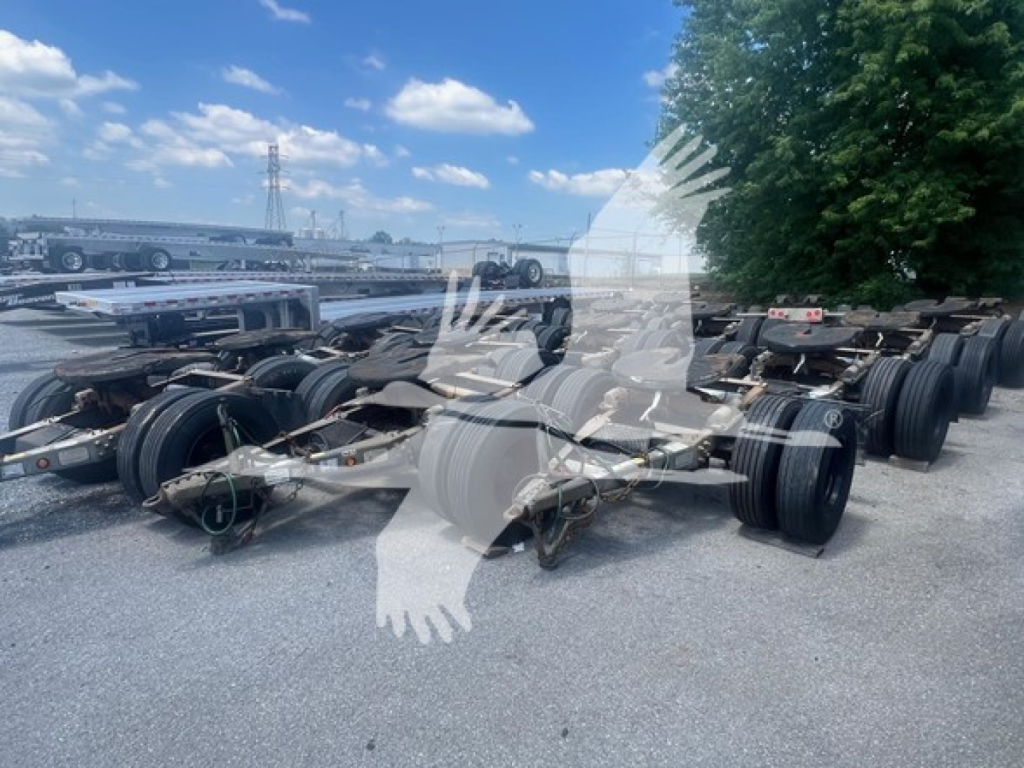
Shop used Eagle Rock dolly trailers, including converter dollies with single-axle setups, spring ride suspension, and standard 22.5 tires.
Learn more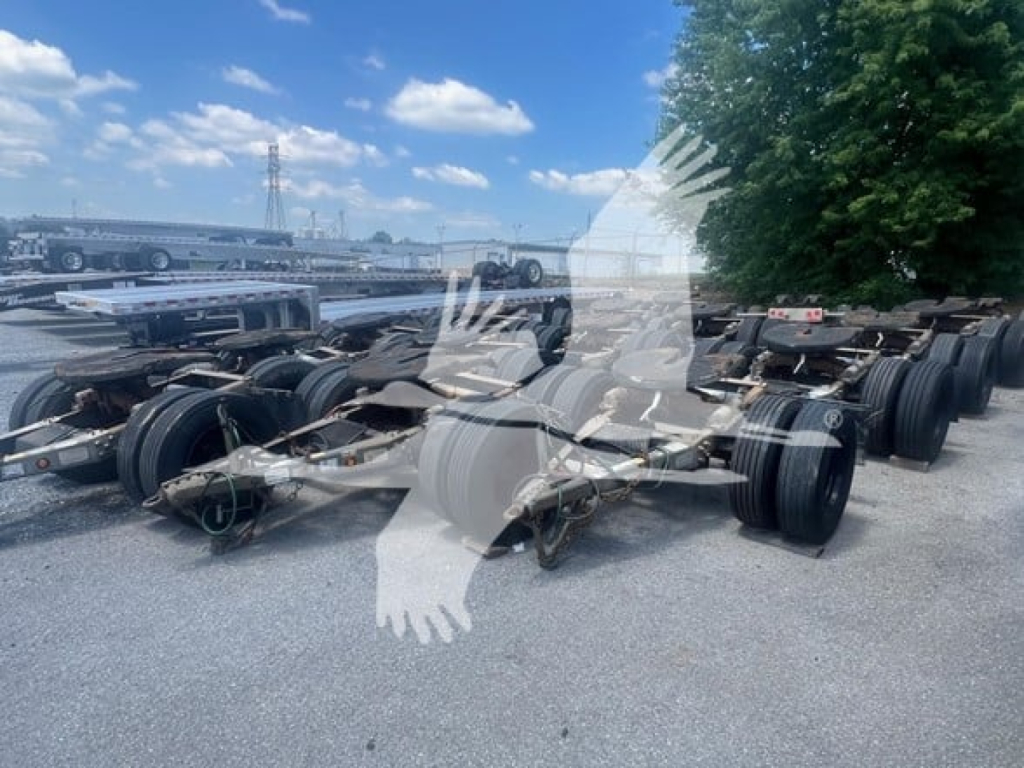
Have used eagle rock dolly trailer to sell? List it here to reach thousands of buyers.
About Used Eagle Rock Dolly Trailers
A good Eagle Rock converter dolly should track straight, couple cleanly, and show even wear across tires, brakes, and suspension components. Buyers should inspect the pintle eye or drawbar assembly for elongation, cracking, or weld repairs, and check the fifth wheel plate, locking jaws, and release mechanism for excessive play. Brake percentage, drum or lining life, slack adjuster condition, and air system leaks are all important because a dolly can create handling problems fast if braking is uneven. Frame condition also deserves a close look, especially around crossmembers, suspension hangers, and the upper coupler area where stress tends to concentrate.
Spec choices depend on how the dolly will be used. In LTL, parcel, and scheduled linehaul operations, compatibility with trailer heights, air and electrical connections, and your fleet's maintenance standards usually matters more than cosmetic appearance. Spring ride remains common because it is simple and durable, though ride quality and loaded behavior should still be evaluated. Tire size commonality can reduce downtime, and steel wheels are still preferred by many fleets for durability and lower replacement cost. If the dolly will stay in a regional doubles application, make sure the overall setup matches your legal and operational requirements for converter gear, tongue length, lighting, and safety chain provisions.
When comparing used Eagle Rock dolly trailers, focus on serviceability and structural integrity before paint or model year. A clean inspection history, strong brake life, solid tires, and a tight coupler system usually tell you more than the calendar does. Eagle Rock converter dollies are a practical fit for fleets that need dependable doubles equipment without overcomplicating maintenance. The best unit is the one that matches trailer geometry, passes inspection with minimal reconditioning, and can be put into linehaul service with confidence.
Frequently Asked Questions
What is an Eagle Rock dolly trailer used for?
An Eagle Rock dolly trailer, usually a converter dolly, is used to connect a second trailer behind a lead trailer in doubles operations. It provides the axle, fifth wheel, drawbar, and air and electrical connections needed to tow the rear trailer safely. These dollies are common in LTL, parcel, and regional linehaul service where doubles are legal and operationally efficient.
What should I inspect first on a used converter dolly?
Start with the structural and coupling components. Inspect the frame, drawbar, pintle eye, fifth wheel plate, locking mechanism, suspension hangers, and axle area for wear, cracks, repairs, or looseness. Then check brake condition, tire wear, wheel condition, air leaks, and lighting. On a used dolly, these items have a bigger effect on safe service than cosmetic appearance.
Are single-axle Eagle Rock dollies common?
Yes. Single-axle converter dollies are common in this category and are widely used in doubles service. They are simpler, lighter, and easier to maintain than more specialized configurations. Buyers should still confirm load compatibility, tire size, suspension type, and legal requirements for the routes where the dolly will run.
Is spring ride suspension a good choice on a dolly trailer?
Spring ride is a common and practical choice for a converter dolly because it is durable, relatively simple, and familiar to most fleet maintenance departments. It can be a good fit for linehaul and regional use where ease of service matters. The key is condition. Worn bushings, hangers, or uneven suspension wear can affect tracking and brake performance, so the suspension should be inspected carefully.
Which tire sizes are typical on used dolly trailers?
Common tire sizes on used dolly trailers include 11R22.5 and 295/75R22.5, both of which are standard commercial sizes with broad replacement availability. Buyers often prefer common tire sizes because they simplify fleet stocking and roadside service. It is still important to verify tread depth, sidewall condition, age, and whether both sides match your maintenance standards.