
Dragon Crude Oil Trailers For Sale in Texas
Shop Dragon crude oil trailers for Texas oilfield hauling. Compare 200 bbl DOT 407 tankers, specs, inspections, valves, pumps, and suspension.
Learn more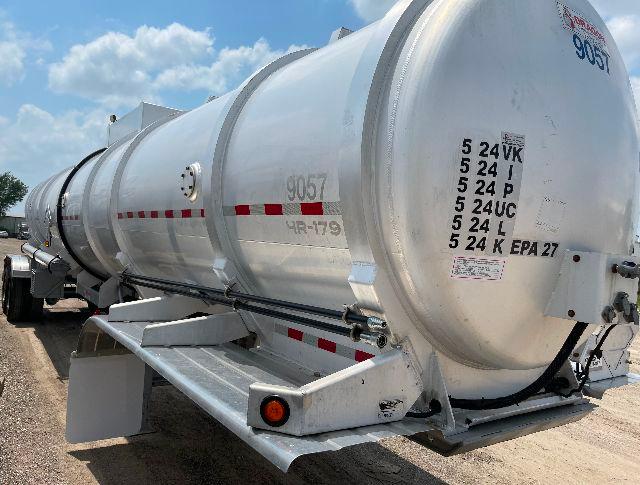
Have dragon crude oil trailer to sell? List it here to reach thousands of buyers.
About Dragon Crude Oil Trailers in Texas
A serious buyer should look closely at the tank itself before getting distracted by cosmetic work. Internal condition, lining repairs, sump condition, vapor recovery plumbing, emergency valves, pressure relief components, and dome lid gaskets all affect serviceability and compliance. On crude oil trailers, current inspection status is critical. Documentation for internal, external, leakage, pressure, and kingpin inspections can save time and reduce uncertainty when putting a trailer to work. If a unit includes a pump, verify pump make, drive setup, seals, and flow performance, along with the condition of associated wet or dry valves and vapor lines. Texas buyers also tend to value trailers with recent tank testing, fresh gaskets, and clean repair records because these units often go straight into demanding field schedules.
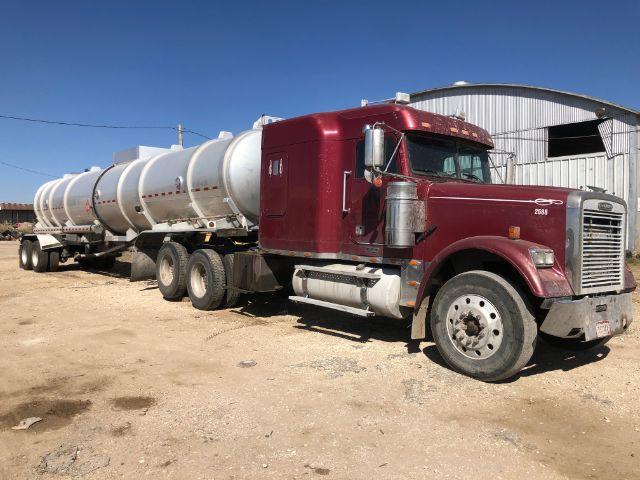
Dragon trailers are generally known for straightforward oilfield-spec construction and parts familiarity, which matters when service has to happen quickly. Aluminum construction helps control tare weight and corrosion, but buyers should still inspect frame condition, crossmembers, suspension mounts, and any signs of damage from lease road use. Tire age, wheel-end condition, brake life, fenders, lights, and DOT tape are easy to overlook but can become immediate expense items. On older crude tankers, it is also smart to verify the condition of gauges, display systems, overfill equipment if equipped, and any product monitoring hardware that supports loading and unloading operations.
The best crude oil trailer for sale is not just the one with the right barrel count. It is the one with a tank spec that matches your customer requirements, current test status, a sound undercarriage, and transfer equipment that is ready to work. In Texas, where crude hauling can mean frequent stops, rough access roads, and tight dispatch windows, buyers usually benefit from focusing on maintenance history, recent compliance work, and overall field readiness first. That approach gives a clearer picture of true value than price alone.
Frequently Asked Questions
What size Dragon crude oil trailer is most common in Texas oilfield service?
A 200-barrel crude oil trailer is one of the most common configurations seen in Texas oilfield hauling. That size fits many field pickup and transfer applications while maintaining practical maneuverability on lease roads and at tank battery locations. Buyers should still confirm axle count, loaded weight expectations, and the specific operating requirements of the lanes they plan to run.
What inspections matter most on a used crude oil trailer?
The most important inspections are the current tank test and compliance records, including internal, external, leakage, pressure, and kingpin inspections where applicable. These records help confirm that the trailer can be placed into service without immediate downtime for testing. A buyer should also review brake condition, ABS function, wheel ends, suspension, and documentation for any recent valve, gasket, or lining work.
Why do buyers pay close attention to valves, vapor lines, and sump components on crude tankers?
These components directly affect safe loading, unloading, and product containment. Worn emergency valves, damaged vapor line fittings, leaking sump gaskets, or tired seals can create downtime, repair expense, and compliance issues. On a used crude tanker, recent replacement of Viton gaskets, internal valve seats, wet or dry valves, and pressure-related components is a meaningful value point because those are wear items in regular oilfield service.
Is an aluminum Dragon crude oil trailer better than a steel trailer?
Aluminum trailers are often preferred because they help reduce tare weight and offer strong corrosion resistance, which can improve payload efficiency and long-term ownership costs. Steel may still appeal in certain severe-service applications, but for many crude hauling operations, aluminum is a practical choice. The real comparison should include tank condition, repair history, frame integrity, and the trailer's current inspection status, not just material alone.
Should a buyer choose a crude oil trailer with a pump included?
A trailer with a pump can be advantageous when the intended work requires self-contained transfer capability, especially in field environments where flexibility matters. The pump should be evaluated as carefully as the tank, including seal condition, drive arrangement, output performance, and compatibility with the trailer's valve and hose setup. If the pump is worn or unsupported, its presence adds less value than many buyers assume.