
Used Stoughton Chassis Trailers For Sale
Browse used Stoughton chassis trailers built for intermodal and heavy-duty container work, with strong specs, durable frames, and fleet-ready features.
Learn more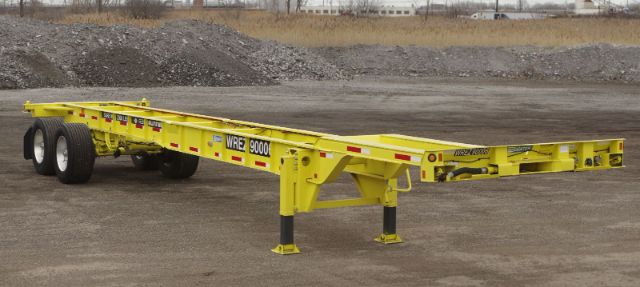
Have used stoughton chassis trailer to sell? List it here to reach thousands of buyers.
About Used Stoughton Chassis Trailers
A buyer should start with frame condition and intended container size. Crossmember integrity, main rail corrosion, twist lock operation, bolster condition, and slider or extendable components all deserve close attention on a used chassis. Suspension type, axle rating, brake setup, wheel-end history, and tire package also affect long-term operating cost. Some Stoughton chassis are equipped with super singles, tire inflation systems, ABS, and aluminum wheels, which can reduce weight and simplify fleet standardization depending on the application. Capacity and tare weight should be evaluated together, especially if the chassis will handle dense cargo, agricultural products, or heavier container loads that push legal weight limits.
Stoughton chassis trailers are also worth comparing by operating environment, not just by year. A chassis used in port drayage may show different wear than one used in private-yard or industrial service. Look closely at kingpin wear, landing gear function, brake chamber condition, lighting and wiring protection, and any signs of previous frame repair. Buyers working outside smooth terminal surfaces should also pay attention to ride height, tire footprint, and how the chassis is spec'd for mud, gravel, or off-pavement travel. Heavy-duty intermodal chassis with higher-capacity running gear can be a strong fit for demanding regional work where container handling is only part of the job.
For many fleets, a used Stoughton chassis is a practical choice because the equipment class is simple, specialized, and easy to inspect when you know the critical points. The best unit is not just the lowest-priced chassis. It is the one matched to the container length, road conditions, maintenance program, and payload profile the operation actually sees. When those factors line up, a used Stoughton chassis can deliver dependable intermodal service with predictable upkeep and solid resale appeal.
Frequently Asked Questions
What are used Stoughton chassis trailers commonly used for?
Used Stoughton chassis trailers are commonly used for intermodal container hauling, including port drayage, rail transfer, private-yard moves, and regional container transport. Heavy-duty versions are also used in industrial and agricultural settings where the chassis may operate on rough pavement, gravel, mud, or jobsite-style surfaces. The main job of a chassis trailer is to provide a stable, legal platform for carrying shipping containers while keeping container securement and weight distribution within spec.
What should I inspect first on a used chassis trailer?
Start with the frame, twist locks, axles, brakes, and tire condition. On a used Stoughton chassis, buyers should inspect the main rails for corrosion, cracks, repairs, or impact damage, then confirm that all twist locks engage and release correctly. Brake system condition, ABS function, suspension wear, wheel-end service history, and tire size should also be checked closely. Kingpin wear, landing gear operation, wiring condition, and lighting reliability are important because chassis trailers often see hard daily use in terminals and drop-yard environments.
Are heavy-duty chassis trailers different from standard intermodal chassis?
Yes. Heavy-duty chassis trailers are generally built for harsher service and higher stress loads than standard intermodal chassis. They may have reinforced frames, higher-capacity running gear, heavier suspension components, and tire setups intended for rougher terrain or dense payloads. A heavy-duty Stoughton chassis can be a better fit for operations that move containers beyond smooth port pavement, especially in agricultural, industrial, or off-road-adjacent applications where durability is more important than the lightest possible tare weight.
Do super single tires make sense on a chassis trailer?
Super single tires can make sense when weight savings, stability, and fleet spec consistency are priorities. On some chassis trailers, super singles help reduce tare weight and can perform well on mixed surfaces when properly matched to the application. They also change tire service strategy, replacement cost, and roadside support considerations compared with duals. Buyers should make sure the tire spec fits the load, operating terrain, and maintenance program before deciding that a super-single chassis is the right choice.
How do I choose the right used chassis for my container operation?
Choose the chassis based on container length, loaded weight, road conditions, and how often the trailer will cycle through terminals, yards, and public roads. A 40-foot intermodal chassis may be ideal for standard container work, but the right choice also depends on axle rating, tare weight, brake configuration, and the condition of the securement hardware. If the chassis will run on uneven lots or in mud and gravel, frame strength, tire footprint, and suspension durability become more important. The goal is to match the chassis to the real operating environment, not just the lowest purchase price.