
Used Wabash Cargo Van Trailers For Sale in Texas
Shop used Wabash cargo van trailers in Texas. Compare 53-foot dry van specs, door types, floors, roof condition, and fleet-ready options.
Learn more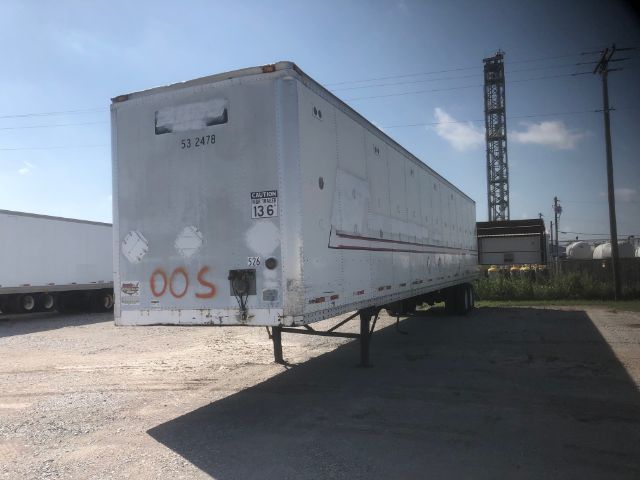
Have used wabash cargo van trailer to sell? List it here to reach thousands of buyers.
About Used Wabash Cargo Van Trailers in Texas
Wabash dry vans are common in large fleets, which helps buyers because parts familiarity, repair knowledge, and resale recognition are strong. Key inspection points include crossmember condition, aluminum roof bows, front wall repairs, logistics post placement, scuff liner wear, and the condition of the hardwood or laminated floor in high forklift traffic zones. On older units, look closely at rivet lines, roof patching, door frame alignment, and evidence of water intrusion near the nose, rear sill, and upper corners. Tire size, wheel type, suspension setup, brake configuration, and axle spread also matter, especially if the trailer will be reassigned to regional routes, drop-and-hook service, or heavier cube-out freight.
Texas buyers often balance highway durability with heat exposure and mixed route conditions. Sun and temperature cycles can accelerate roof seal aging, dry out door seals, and highlight previous repairs, so exterior and interior light checks are worth the time. If the trailer will stay in dense metro freight around Dallas-Fort Worth, Houston, San Antonio, or along I-35 corridors, a roll-up door and sound floor may matter more than cosmetic appearance. For longer runs across Texas and neighboring states, pay attention to aerodynamic fairings, overall tare weight, and maintenance history tied to brakes, hubs, and suspension wear. Registration, FMCSA compliance items, and DOT-ready lighting should also be part of the buying decision.
Used Wabash cargo van trailers are popular because they are straightforward freight tools with broad application and predictable service requirements. The best choice depends less on model year alone and more on structural condition, freight type, and how the trailer fits your loading pattern. A clean 53-foot dry van with a solid floor, square rear frame, dry roof, and well-documented repairs can deliver strong value for private fleets, expediters, warehouse distribution, and general commodity hauling.
Frequently Asked Questions
What should I inspect first on a used Wabash cargo van trailer?
Start with the floor, roof, rear frame, and sidewalls. Floor damage from repeated forklift traffic is one of the most expensive issues because soft spots, delamination, or broken boards affect daily loading and safety. Roof leaks and poor repairs around the front wall, upper rails, and rear door frame can lead to cargo damage. A square rear opening, sound door hardware, usable scuff liners, and solid crossmembers are also important indicators of how much life is left in the trailer.
Are Wabash 53-foot dry van trailers a good fit for general freight?
Yes. A 53-foot Wabash cargo van trailer is one of the most common formats for dry freight, palletized shipments, consumer goods, and distribution work. The 102-inch width supports standard dock operations and maximizes cube for many freight profiles. That commonality also helps with resale, repair familiarity, and replacement parts, which matters when the trailer is being worked hard in regional or over-the-road service.
Is a roll-up door or swing door better on a used cargo van trailer?
It depends on the route and loading pattern. Roll-up doors are useful in multi-stop operations because they are quick to use and do not swing into tight docks or alleys. Swing doors usually provide a full rear opening and can be simpler to maintain over time, but they need clearance behind the trailer. Buyers should inspect either style for frame alignment, hinge wear, seal condition, and signs of impact damage.
What matters most for buyers in Texas when shopping used dry van trailers?
Heat, sun exposure, and long highway miles make condition checks especially important in Texas. Roof sealant, door gaskets, tire age, brake wear, and suspension condition deserve close attention. Many Texas operations also run a mix of urban and long-distance freight, so buyers should match the trailer to the job by looking at tare weight, door configuration, floor condition, and overall structural integrity rather than focusing only on price or model year.
How long can a used Wabash cargo van trailer stay productive in a fleet?
A used Wabash dry van can remain productive for years if the structure is sound and maintenance has been consistent. Service life depends heavily on prior use, freight type, loading frequency, and the quality of repairs. A trailer that has a dry roof, strong floor, straight frame, healthy running gear, and documented maintenance can still be a dependable asset for warehouse distribution, storage support, and regular linehaul work.