
Used Texas Pride Car Carrier Trailers For Sale
Browse used Texas Pride car carrier trailers. Compare common deck layouts, GVWR, ramp design, tie-down setup, and hauling applications.
Learn more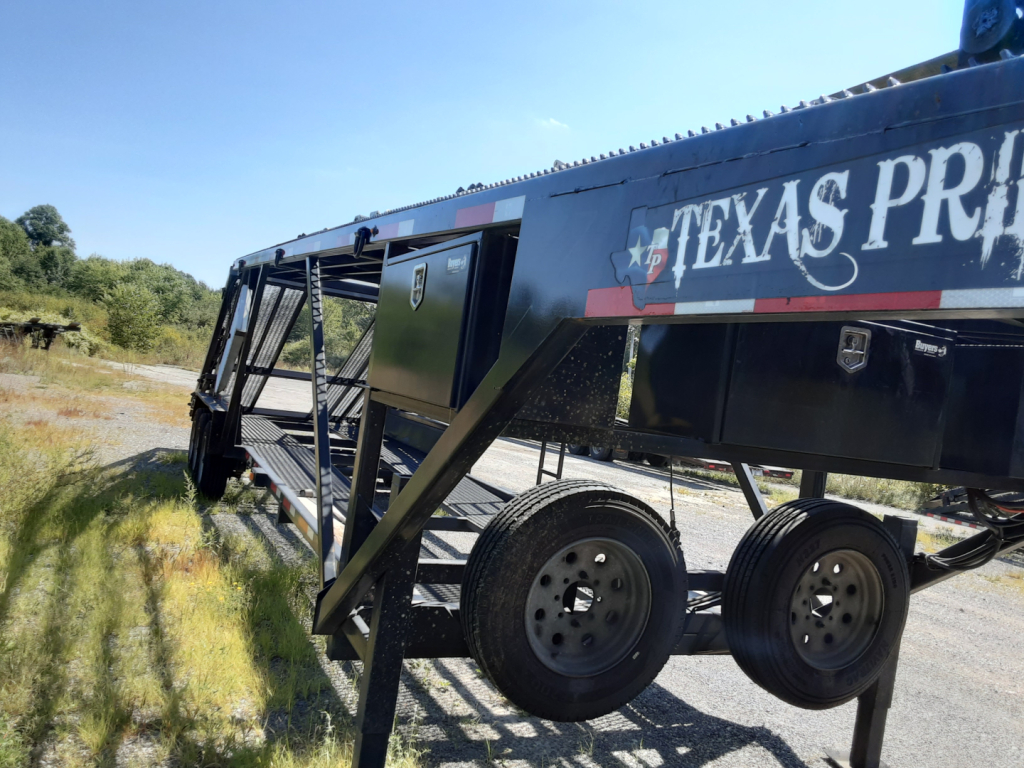
Have used texas pride car carrier trailer to sell? List it here to reach thousands of buyers.
About Used Texas Pride Car Carrier Trailers
Texas Pride trailers are well known in the hotshot and independent transport market for straightforward construction and serviceable designs. On a used car carrier, pay close attention to deck condition, crossmember integrity, hydraulic components if equipped, and wear around dovetails, slide-outs, and ramp pivot points. Tie-down points matter just as much as structure. A good car hauler should have secure, well-placed attachment points for straps or chains, along with enough flexibility to position vehicles safely without fighting the trailer layout. Axle capacity, brake condition, tire age, and suspension wear are also worth close inspection, especially on trailers that have spent time running at or near capacity.
The right trailer depends on the type of vehicles you move most often. A five-car setup can be productive for compact vehicles and dealer transfers, but actual capacity changes fast when the load includes crew cab pickups, full-size SUVs, or units with low front air dams. Buyers should compare overall length, deck spacing, approach angle, and loaded height to make sure the trailer fits state bridge laws, route restrictions, and day-to-day loading conditions. If the trailer will be paired with a dually pickup or medium-duty truck, confirm hitch type, tongue weight expectations, brake controller compatibility, and how the trailer balances when partially loaded.
A used Texas Pride car carrier trailer can be a solid fit for auctions, dealer trades, repossession work, and regional vehicle transport if the layout matches the freight. Look for even tire wear, straight frame lines, clean weld quality, and signs that ramps and moving sections still track correctly under load. Buyers who spend time on load height, deck access, tie-down workflow, and maintenance history usually end up with a trailer that is easier to load, safer to secure, and more profitable over the road.
Frequently Asked Questions
What should I check first on a used Texas Pride car carrier trailer?
Start with the frame, decks, ramps, axles, brakes, and tires. Look closely for cracked welds, bent sections, thin deck material, worn ramp hinges, and uneven tire wear that could point to alignment or suspension problems. On any multi-car trailer, inspect tie-down points, wiring, lights, and brake components because these areas take constant use and directly affect safety and compliance.
How many vehicles can a Texas Pride car carrier trailer haul?
Capacity depends on the specific trailer design, deck length, axle ratings, and the size of the vehicles being loaded. Many Texas Pride wedge-style car haulers are marketed around three to five car capacity, but that number can drop when the load includes long-wheelbase pickups, large SUVs, or taller vehicles that create clearance issues. Legal weight and overall height also limit real-world capacity.
Are Texas Pride car carrier trailers suitable for hotshot auto transport?
Yes, they are commonly used in hotshot-style vehicle transport and independent auto hauling. Their appeal is a simpler trailer design that can be paired with a capable pickup or medium-duty truck for regional runs, auction moves, and dealer transfers. The key is matching trailer GVWR, hitch setup, and deck layout to the tow vehicle and the type of vehicles being transported.
What makes ramp and deck design important on a car carrier trailer?
Ramp angle, deck spacing, and clearance directly affect what you can load without scraping bumpers, rocker panels, or underbody components. Low cars, sports cars, and some crossovers need a gentler approach angle and enough transition space between deck sections. A trailer with poor geometry may technically have enough length but still be slow to load or limiting in the types of vehicles it can handle.
What are common applications for a used Texas Pride car carrier trailer?
Common uses include dealer transfers, auction pickups, private party vehicle deliveries, repossession support, and regional automotive transport. These trailers are especially popular with small fleets and owner-operators who want multi-unit hauling capability without moving into a larger commercial auto transport rig. The best fit is usually short to mid-range hauling where loading speed, flexibility, and operating cost matter.