
Used Peerless Belt Trailers For Sale
Browse used Peerless belt trailers built for clean, controlled bulk unloading with lower maintenance than many live floor applications.
Learn more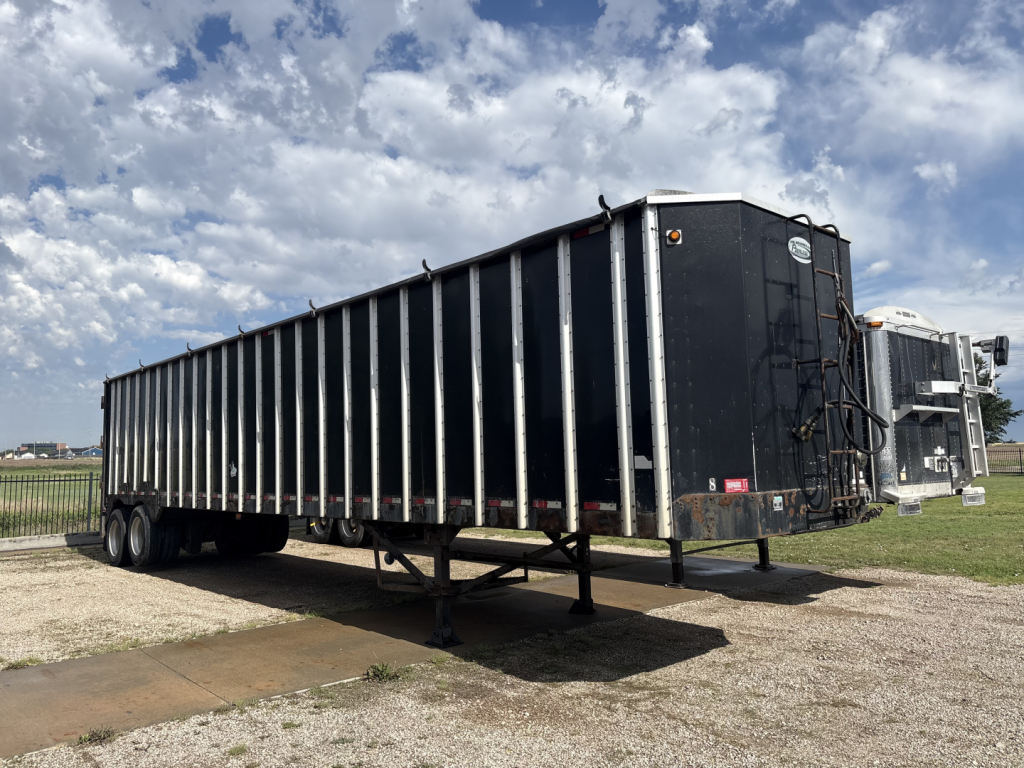
Have used peerless belt trailer to sell? List it here to reach thousands of buyers.
About Used Peerless Belt Trailers
The key buying decision is usually the trailer’s belt system and overall structural condition. On a used Peerless belt trailer, inspect belt tracking, splice condition, slider bed wear, drive components, rear discharge area, and hydraulic plumbing. Pay close attention to the condition of the trailer frame, crossmembers, suspension, landing gear, and gate seals, especially if the trailer has spent time in corrosive fertilizer or salt service. Buyers should also confirm sidewall height, cubic capacity, trailer length, axle configuration, and liner or floor setup because those details directly affect payload, cleanout, and commodity flexibility.
Peerless belt trailers are commonly spec'd in tandem and spread axle layouts, with air ride suspensions, aluminum wheels, electric tarp systems, and rear gates designed for metered unloading. In day-to-day operation, belt trailers are valued for steady product flow and better placement control than a traditional dump trailer. That matters when unloading into trenches, under conveyors, inside buildings, or at job sites where material needs to be laid out evenly. If the application involves dense material, verify the trailer’s weight profile and legal payload expectations. If the freight is sticky or abrasive, look closely at belt wear, side sealing, and the condition of any liners or discharge components.
A used Peerless belt trailer can make sense for fleets that want bulk-hauling versatility with simpler unloading in tight or safety-sensitive environments. The best unit for the job is usually the one with a documented maintenance history, a straight frame, healthy hydraulics, and a belt system that runs true under load. Matching commodity type, unload environment, and axle spread to the work is more important than model year alone, because belt trailer performance depends heavily on how the trailer was spec'd and maintained.
Frequently Asked Questions
What is a Peerless belt trailer used for?
A Peerless belt trailer is used to haul bulk materials that need controlled, low-clearance unloading. Common applications include feed, fertilizer, grain byproducts, mulch, salt, aggregates, and wood pellets. Because the product is discharged by a moving belt instead of raising the body, belt trailers are often chosen for uneven ground, indoor unload points, and locations where dump trailer rollover risk is a concern.
What should I inspect on a used belt trailer before buying?
Start with the belt, belt splice, tracking, and floor or slider bed wear, since those components directly affect unloading performance and repair cost. Then inspect the hydraulic motor, hoses, pump compatibility, rear discharge gate, seals, frame rails, crossmembers, suspension, brakes, tires, and wheel ends. If the trailer worked in fertilizer, salt, or other corrosive service, corrosion around the rear frame, gate area, and understructure deserves close attention.
How does a belt trailer compare to a dump trailer?
A belt trailer unloads by moving material out the rear on a conveyor-style belt, while a dump trailer lifts the body to discharge the load. Belt trailers offer better stability on uneven surfaces, lower overhead clearance requirements, and more controlled material placement. Dump trailers can be simpler for some applications and may suit certain bulk materials well, but belt trailers are often preferred where safety, clearance, and metered unloading matter most.
What specs matter most when choosing a used Peerless belt trailer?
Length, side height, cubic capacity, axle spacing, suspension type, trailer tare weight, and gate design are the first specs to confirm because they determine payload and application fit. Belt width, hydraulic requirements, tarp type, and discharge opening also matter, especially if the trailer will run different commodities. Buyers should match the trailer’s spec to material density, unloading method, and state bridge law requirements rather than focusing only on year or appearance.
Are belt trailers a good choice for fertilizer and feed hauling?
Yes, belt trailers are commonly used in fertilizer and feed service because they unload cleanly and can meter product more precisely than a dump body. They also reduce the need to raise a trailer in windy conditions or on uneven surfaces. The tradeoff is that these commodities can accelerate wear or corrosion, so a used trailer from fertilizer or feed service should be checked carefully for belt condition, residue buildup, gate sealing, and understructure corrosion.