
Trailers For Sale in Missouri
Shop trailers for sale in Missouri, including dry vans, reefers, dump trailers, chassis, and more with specs that fit regional freight needs.
Learn morePopular Trailers Categories
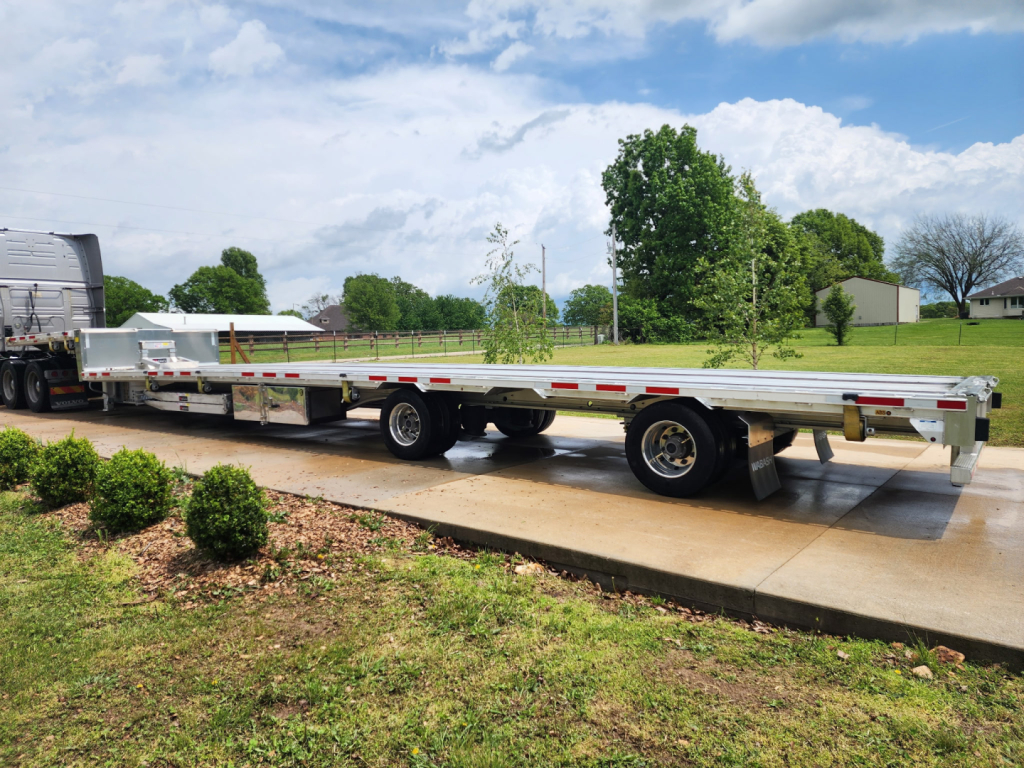
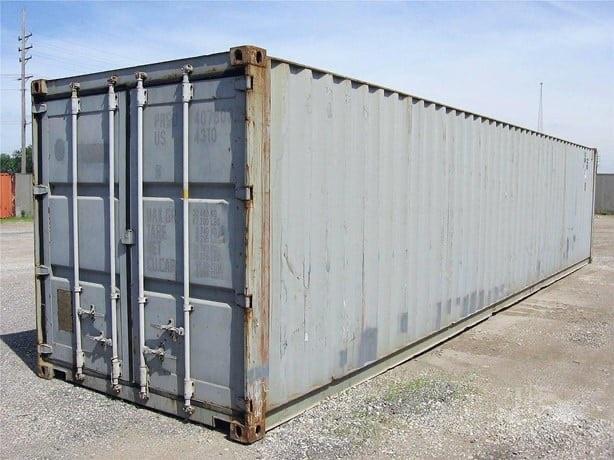
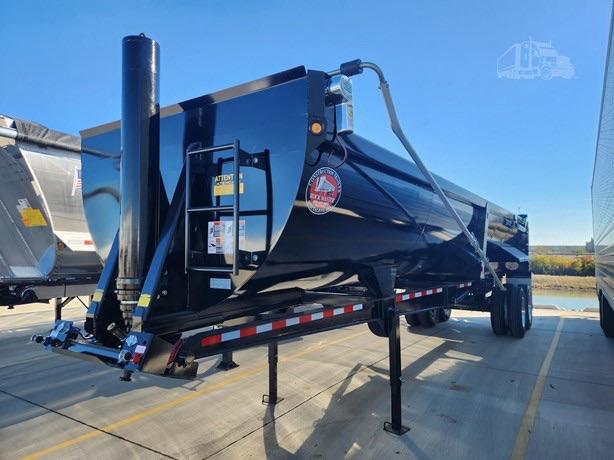
Have trailer to sell? List it here to reach thousands of buyers.
About Trailers in Missouri
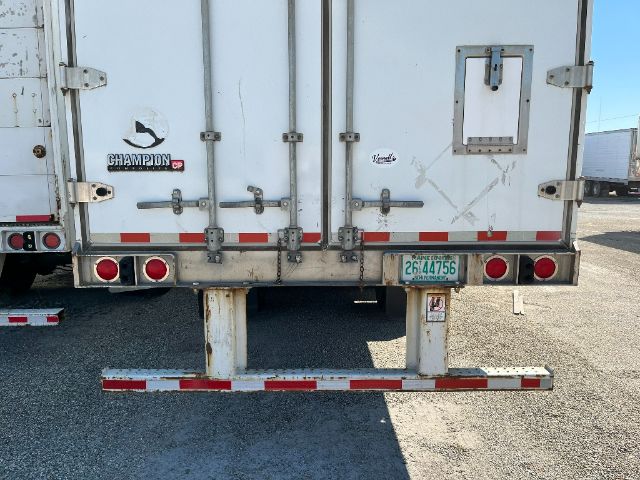
For general freight, dry van trailers remain one of the most common choices, especially 53-foot by 102-inch units with swing doors, air ride suspension, and logistics-friendly specs like aerodynamic skirts, tire inflation systems, and composite or sheet-and-post construction. Reefer trailers add another layer of decision-making because the refrigeration unit, fuel tank size, insulation condition, and door seal integrity matter as much as the trailer body itself. Buyers running grocery, produce, frozen freight, or pharmaceutical lanes should pay close attention to reefer unit hours, temperature recovery, chute condition, and the serviceability of the Carrier or Thermo King platform. In long-haul service, features like low-pro 22.5 tires, spare tire carriers, and air ride can make a noticeable difference in uptime and cargo protection.
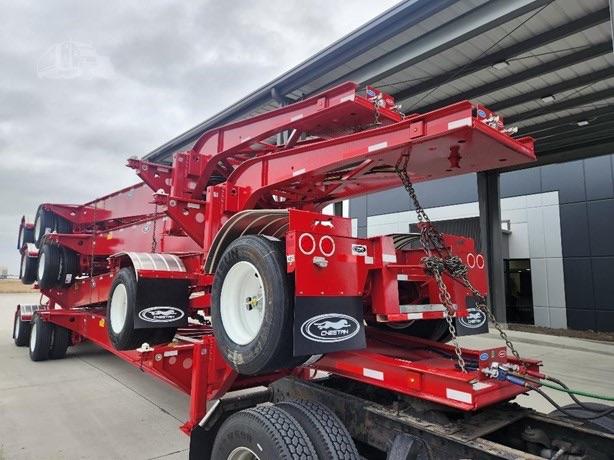
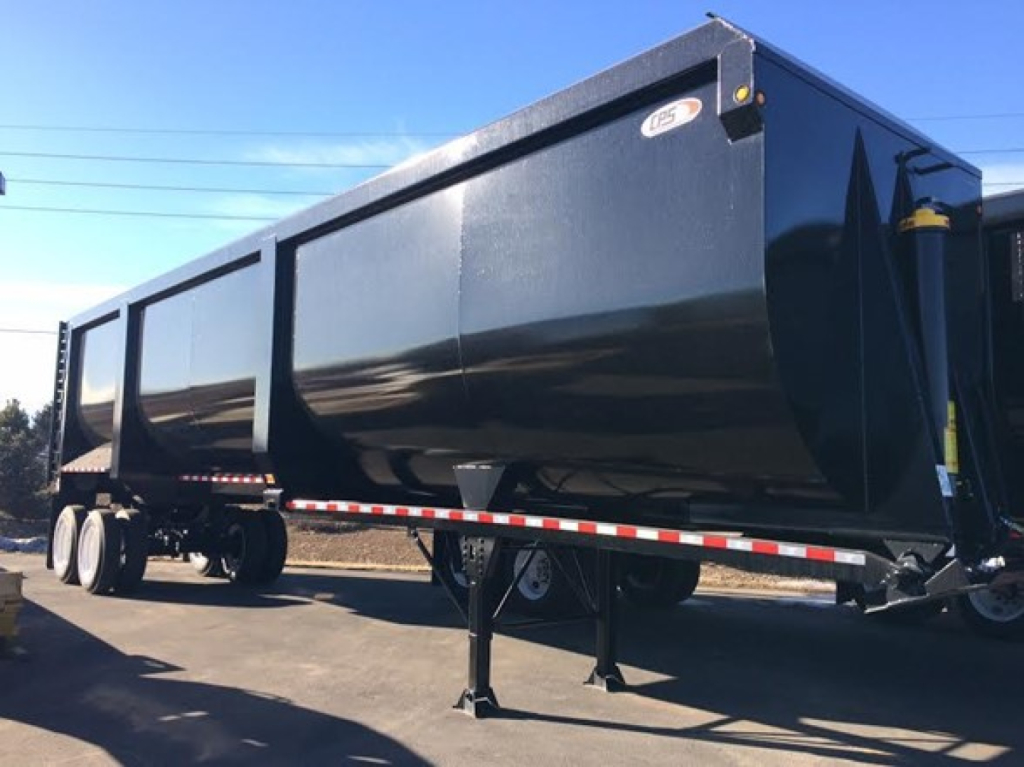
Vocational trailer buyers in Missouri often focus on dump trailers and chassis for heavier-duty work. Steel end dumps and scrap trailers are common for demolition, aggregate, and recycling applications, where cubic yard capacity, side height, tub design, and frame style directly affect production. A frameless half-round dump trailer can offer favorable weight characteristics and clean discharge for materials that flow, while a frame-type build may appeal to operators prioritizing durability in punishing off-road environments. Suspension choice, gate style, tarp system, ladder placement, liner material, and tire setup all deserve a close look because they influence cycle time, cleanout, and repair costs. Chassis buyers, especially those moving ISO tanks or containers, should verify length compatibility, kingpin setting, ride type, tire inflation systems, and intended terminal or plant use.
The best trailer choice comes down to matching the trailer to the freight, route, and loading environment instead of buying on category name alone. A buyer comparing trailers for sale in Missouri should look closely at axle spread, GVWR, brake configuration, flooring, crossmember spacing, roof construction, scuff liners, swing or roll doors, and signs of structural repair or corrosion. For refrigerated and van applications, dock compatibility and interior condition matter. For dump and chassis applications, inspect suspension wear points, landing gear condition, frame integrity, and any evidence of tub cracking or hard use. A well-matched trailer improves payload consistency, loading speed, compliance, and total operating cost over the long term.
Frequently Asked Questions
What types of trailers are commonly used in Missouri?
Missouri supports a broad mix of trailer applications, so the most common trailer types include dry vans, reefers, dump trailers, flatbeds, chassis, and vocational specialty trailers. Dry vans and reefers are heavily used in manufacturing, retail, food distribution, and regional freight, while dump trailers are common in construction, scrap, aggregate, and demolition work. Chassis are also important around intermodal and tank-container operations. The right category depends on the freight, loading method, route density, and how much payload versus durability matters in your operation.
What should I inspect first when buying a used trailer?
Start with structural condition and the components that are expensive to repair. On most trailers, that means checking the frame or rails, crossmembers, floor condition, roof, suspension, brakes, hubs, tires, wheels, landing gear, and door seals. On dump trailers, inspect the tub, hinge points, gate hardware, hoist area, and signs of cracking or distortion. On reefers, add reefer unit hours, operating condition, fuel system, insulation, and interior liner condition to the list. A trailer with the right specification but poor structural integrity can become a much more expensive purchase than a higher-priced unit with documented maintenance and solid understructure.
How do I choose between air ride and spring ride on a trailer?
Air ride is generally preferred for ride quality, cargo protection, and highway service, especially on dry vans, reefers, and many over-the-road applications. It helps reduce shock transfer to the load and is widely favored in freight that is palletized, temperature-sensitive, or damage-prone. Spring ride is simpler and can be a practical choice in some vocational applications where ease of service and lower complexity matter. The decision should reflect the freight, terrain, maintenance program, and how often the trailer operates on rough job sites versus paved highway routes.
What matters most on a dump trailer specification?
The key dump trailer decisions are material type, frame design, capacity, suspension, and gate configuration. Steel bodies are common for scrap, demolition, and abrasive materials because they stand up well to impact and wear, while aluminum is often chosen when payload is the top priority. Frameless designs can save weight and are popular in many bulk hauling applications, while frame-type trailers may be preferred for severe-duty use. Side height, cubic yard rating, half-round versus square body shape, tarp system, and gate style all affect loading, unloading, cleanout, and the types of material the trailer can handle efficiently.
Why are tire inflation systems and trailer options important?
Options like automatic tire inflation systems, aerodynamic skirts, electric tarps, scuff liners, spare tire carriers, and aluminum components can materially affect operating cost and uptime. A tire inflation system helps maintain proper pressure across long haul cycles and can reduce irregular wear, heat buildup, and roadside service events. On dump trailers, tarp systems improve load security and compliance. On vans and reefers, interior protection features and aerodynamic equipment can help with cargo condition and fuel economy. These options are not just convenience items, because they often influence maintenance intervals, driver acceptance, and long-term cost per mile.