
Van Trailers For Sale in Missouri
Shop van trailers for sale in Missouri. Compare 53-foot dry vans, specs, door types, suspension, roof construction, and fleet-ready options.
Learn moreBrowse Van Trailers by Make
Have van trailer to sell? List it here to reach thousands of buyers.
About Van Trailers in Missouri
A buyer comparing van trailers should pay close attention to body construction and floor condition first. Composite side panels, sheet-and-post construction, aluminum roofs, hardwood floors, and logistic post spacing all affect durability, repair cost, and load securement flexibility. Rear swing doors remain common and are simple to maintain, but roll-up doors can help in tight dock environments at the expense of some interior clearance and added maintenance. Scuff liners, duct floors, nose design, roof bows, and sidewall repairs are worth inspecting closely, especially on used dry vans that have spent years in high-cycle distribution service.
Running gear matters just as much as the box. Air ride suspension is widely preferred for ride quality and cargo protection, while tire size, wheel type, brake spec, and axle configuration should match the lane and maintenance program. Many fleet-oriented trailers include practical features such as tire inflation systems, aerodynamic skirts, LED lighting, and trailer tracking provisions. Buyers in Missouri often look for equipment that can handle a mix of highway miles, drop-and-hook service, and seasonal temperature swings, so it makes sense to evaluate roof integrity, door seals, floor fasteners, and suspension wear with those conditions in mind.
For most operations, the right van trailer comes down to freight type, loading pattern, and total lifecycle cost. A lighter trailer may improve payload on weight-sensitive freight, while a heavier-spec build may hold up better in multi-stop distribution or slip-seat fleet use. Good van trailers are easy to load, easy to seal, and predictable to maintain. If the trailer will spend most of its life at docks, focus on floor rating, rear frame condition, and door hardware. If it will run linehaul, pay closer attention to aerodynamics, rolling resistance, and structural condition across the roof, sidewalls, and suspension.
Frequently Asked Questions
What is the most common size for a van trailer?
The most common dry van trailer size is 53 feet long and 102 inches wide. That configuration has become the standard for general freight because it balances cargo capacity, dock compatibility, and availability of replacement parts and service. Buyers should still verify interior height, door opening dimensions, and floor rating, since those details can affect cube utilization and what freight the trailer can legally and practically haul.
Is air ride suspension better on a van trailer?
Air ride suspension is usually preferred on van trailers because it provides better ride quality and helps protect freight from shock and vibration. That matters for palletized consumer goods, packaged foods, electronics, and other cargo that can shift or sustain damage on rough roads. It can also improve driver acceptance and reduce cargo claims, but buyers should inspect airbags, shocks, bushings, and height control components because suspension condition directly affects performance.
What should I inspect on a used dry van trailer before buying?
The key inspection points are the floor, roof, sidewalls, rear frame, doors, suspension, brakes, and tires. Look for soft spots in the floor, patched roof sections, delamination or buckling in the walls, worn door seals, and signs of impact around the rear threshold and corner posts. Underneath, check crossmembers, slider operation if equipped, brake wear, and axle alignment. A dry van can look clean from the outside and still need expensive structural or floor work, so condition under load surfaces matters most.
What door type is best on a van trailer, swing doors or roll-up doors?
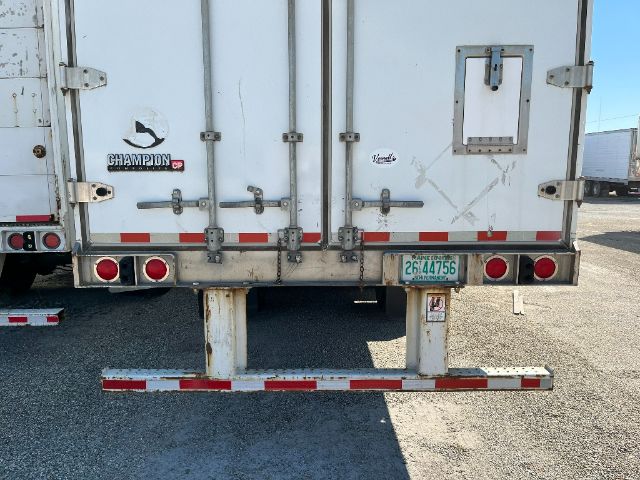
Swing doors are the most common choice on dry vans because they are durable, relatively simple, and preserve full rear opening height. Roll-up doors can be useful in urban or tight dock operations where door clearance is limited behind the trailer, but they typically reduce interior clearance and introduce more moving parts. The better option depends on loading environment, maintenance priorities, and the type of freight being handled.
Are aerodynamic options worth it on a van trailer?
Aerodynamic options like side skirts, nose treatments, and low-rolling-resistance tire setups can be worthwhile on linehaul and high-mileage van trailers. The fuel savings become more meaningful when the trailer spends most of its time at highway speed with consistent routing. In lower-mileage local work, the payback may be less dramatic, so buyers should weigh the expected fuel benefit against repair exposure, operating terrain, and the trailer's annual miles.