
Great Dane Van Trailers For Sale in Missouri
Shop Great Dane van trailers for sale in Missouri. Compare dry van specs, body construction, door options, suspension, and fleet-ready features.
Learn more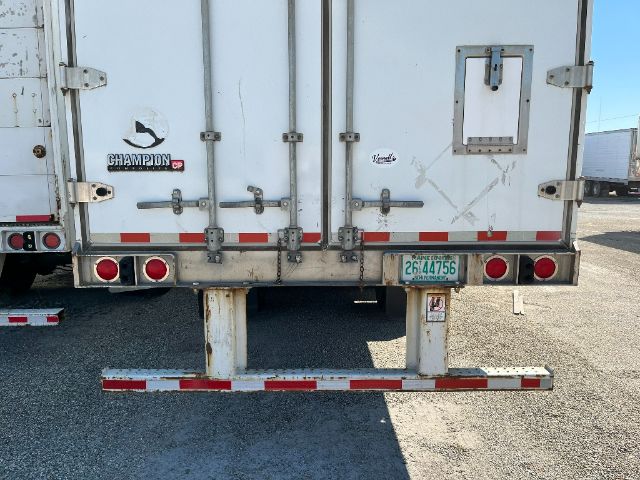
Have great dane van trailer to sell? List it here to reach thousands of buyers.
About Great Dane Van Trailers in Missouri
Within the Great Dane lineup, models such as the Champion are well known in fleet service. Key spec decisions usually include composite versus sheet-and-post construction, air ride versus spring ride, swing doors versus roll-up doors, and steel versus aluminum wheel setups. Composite-side vans are popular for general freight because they can save weight and present a clean interior wall, while traditional post-and-panel construction can appeal to buyers focused on repair familiarity. Other details matter in daily use, including logistic post spacing, scuff liners, duct floors, hardwood floor rating, roof bows, and rear impact guard condition. Trailers equipped with tire inflation systems, aerodynamic skirts, and well-maintained air systems can offer lower operating costs over the road.
A buyer comparing used Great Dane van trailers should pay close attention to the areas that drive long-term expense. Floor wear from forklifts, sidewall repairs, roof leaks, door frame alignment, crossmember corrosion, suspension bushing condition, slider function, and brake system history all deserve a close inspection. In Missouri, seasonal weather and road treatment can make undercarriage condition especially important, particularly on older units that have seen heavy regional service. Tire size, wheel type, axle configuration, and remaining brake and tire life affect true acquisition cost just as much as purchase price. If the trailer will be dropped regularly at docks, landing gear condition and frame integrity around the upper coupler should also be part of the evaluation.
For buyers running dry van freight, Great Dane trailers generally fit a wide range of applications, from dedicated contract freight to spot-market lanes. The category is also commonly referred to as a dry van trailer or enclosed van trailer. The right unit depends on how hard the trailer will be loaded, how often it will be live-loaded or cross-docked, and whether fuel economy features matter in the operation. A lighter-spec van may make sense for high-cube retail freight, while a heavier-duty configuration can be the better long-term choice for dense palletized goods and frequent forklift traffic. The best comparisons come down to structure, maintenance history, and how the trailer’s spec matches the freight.
Frequently Asked Questions
What should I look for when buying a used Great Dane van trailer?
Focus first on structural and wear items that are expensive to correct. Check the floor for forklift damage, soft spots, patches, and excessive wear at common pallet lanes. Inspect sidewalls and the roof for repairs or leaks, confirm the rear frame and door hardware are straight and sealing properly, and look underneath at crossmembers, slider rails, suspension components, brakes, and corrosion. Maintenance history, tire condition, and working air systems often tell you more about the trailer’s value than appearance alone.
Are Great Dane Champion trailers good for general dry freight?
Yes. Great Dane Champion dry vans are widely used in fleet and over-the-road service for packaged freight, consumer goods, and palletized shipments. They are popular because the platform is familiar to drivers, shops, and carriers, and many units are spec'd with practical features such as air ride suspension, composite sidewalls, swing doors, and tire inflation systems. The exact fit still depends on floor rating, body construction, and the weight profile of the freight being hauled.
Is air ride suspension worth it on a dry van trailer?
For many operations, yes. Air ride helps reduce shock and vibration, which can be important for retail freight, food products, paper goods, and other damage-sensitive loads. It also tends to be preferred in fleet applications because it supports ride quality and can help with cargo protection over rough stretches of highway. A buyer should still inspect air bags, valves, shocks, and the overall suspension condition, because neglected air ride can become a maintenance expense.
What trailer dimensions are most common for Great Dane van trailers?
The most common dry van size is 53 feet long and 102 inches wide, which fits standard over-the-road freight requirements and dock compatibility across most of the market. Height, interior cubic capacity, and door opening dimensions can vary by spec, so those details should be confirmed if the freight is light but bulky or if loading equipment requires a certain clearance. Buyers handling regional or specialized freight may also see shorter lengths, but 53-foot vans dominate the category.
What features improve operating cost on a dry van trailer?
The most useful cost-saving features are the ones that reduce tire wear, aerodynamic drag, and unplanned shop time. Tire inflation systems can help maintain proper pressure across long runs, side skirts can improve fuel economy in the right duty cycle, and air ride can reduce cargo damage claims. Strong maintenance records, good brakes, straight body panels, and a sound floor usually have the biggest effect on long-term ownership cost because they reduce downtime and prevent major repairs.