
Drop Deck Trailers For Sale in Missouri
Shop drop deck trailers for hauling tall equipment, palletized freight, and mixed loads. Compare deck length, axle setup, ramps, and GVWR.
Learn moreBrowse Drop Deck Trailers by Make
Have drop deck trailer to sell? List it here to reach thousands of buyers.
About Drop Deck Trailers in Missouri
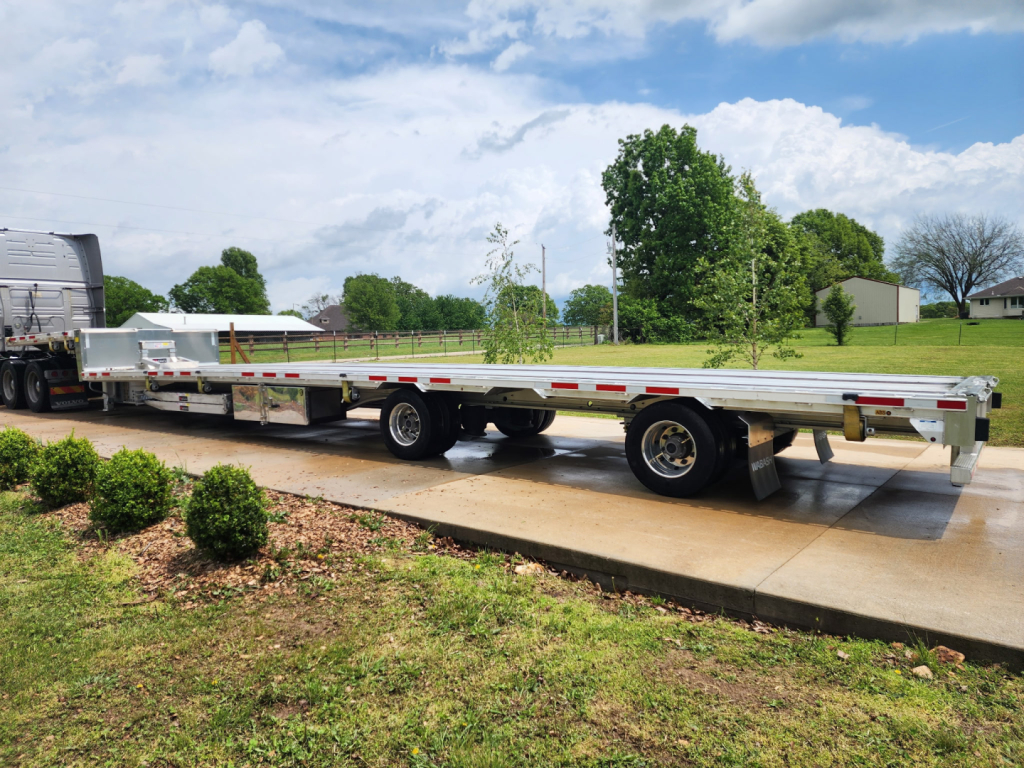
The specs that usually drive the buying decision are overall length, top deck length, lower deck length, trailer width, axle spacing, suspension, and frame material. Common configurations include 48-foot and 53-foot trailers, with many 53-foot units using an 10 to 11-foot upper deck and roughly 37 to 42 feet of lower deck. Aluminum drop deck trailers reduce tare weight and help maximize payload, while steel or combo construction can appeal to buyers who prioritize durability and repair familiarity. Air ride suspension is common for protecting sensitive freight, and spread axle setups can improve weight distribution and loading flexibility, though bridge law and turning radius should always be part of the evaluation.
Loading style matters as much as raw dimensions. Many buyers look for ramps, ramp stands, and load levelers for moving forklifts, skid steers, compact construction equipment, or other wheeled and tracked machines. Floor type is another key detail. Aluminum floors save weight, while wood floors can be easier and less expensive to replace over time depending on your operation. Tie-down points, chain pull-outs, winches, sliding winches, toolboxes, and tire size also affect day-to-day usability. A lower deck height can make the difference when you are trying to stay legal on taller loads, especially on freight that regularly pushes height limits.
When comparing drop deck trailers for sale, focus on the freight mix you actually haul. A trailer set up for palletized freight and light equipment may not be ideal for dense machinery or frequent ramp loading. Check GVWR, concentrated load capacity, axle rating, brake condition, tire condition, wheel material, and deck condition. If you run multi-state lanes, verify how the axle configuration fits your permitting and bridge needs. The best drop deck trailer is the one with the right deck dimensions, tare weight, securement package, and axle layout for your freight, not simply the newest unit on the page.
Frequently Asked Questions
What is the difference between a drop deck trailer and a flatbed trailer?
A drop deck trailer has two deck levels, a raised front deck and a lower main deck, while a flatbed trailer has one continuous deck height. The lower deck on a drop deck gives you more legal load height, which is the main reason buyers choose it for taller freight. That makes a drop deck a strong fit for equipment, crated machinery, and other loads that would exceed height limits on a standard flatbed.
What freight is a drop deck trailer best suited for?
Drop deck trailers are commonly used for construction equipment, forklifts, palletized freight, lumber, steel products, agricultural equipment, and oversized items that need extra height clearance. They are especially useful when freight is too tall for a flatbed but does not justify a specialized lowboy. With ramps and load levelers, they can also handle a wide range of self-loading equipment.
Is an aluminum or steel drop deck trailer better?
An aluminum drop deck trailer typically offers lower tare weight, which can translate into more legal payload and better fuel efficiency over time. A steel trailer may offer a lower upfront cost and can be preferred in operations where repair access and heavy-duty familiarity are priorities. The better choice depends on your payload targets, maintenance practices, and how hard the trailer will be used in daily loading conditions.
Why do axle configuration and spread axles matter on a drop deck trailer?
Axle configuration affects weight distribution, bridge compliance, ride quality, and maneuverability. Spread axle drop deck trailers can improve weight carrying flexibility and are common in open-deck work, but they may also increase tire scrub and require more room to turn in tight areas. Buyers should match the axle setup to their freight density, lane profile, and any state-specific permit or bridge considerations.
What should I inspect first on a used drop deck trailer?
Start with the frame, crossmembers, deck condition, axle alignment, suspension, brakes, tires, and wheels. Then inspect the ramps, load levelers, securement points, toolboxes, lighting, and any signs of deck damage from concentrated loads. It is also smart to confirm VIN information, title status, maintenance history, and any repairs to the neck, main deck, or rear structure before making a buying decision.