
Tow Trucks For Sale in New Jersey
Browse tow trucks for sale in New Jersey, including rollback carriers, self-loaders, and heavy wreckers for recovery, transport, and repo work.
Learn moreBrowse Tow Trucks by Make
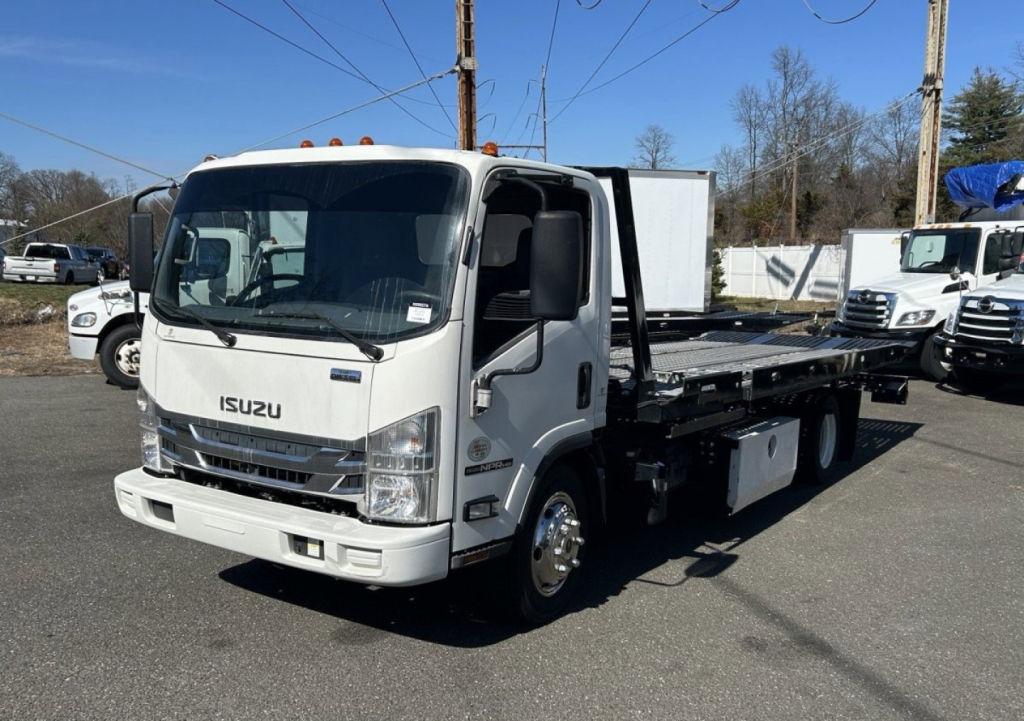
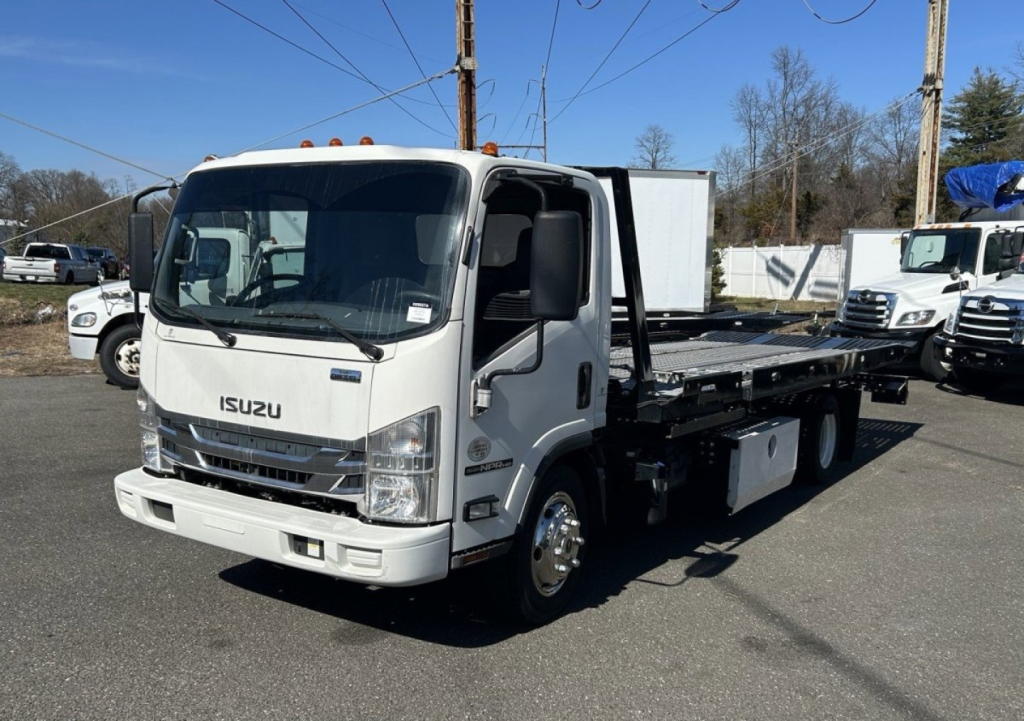
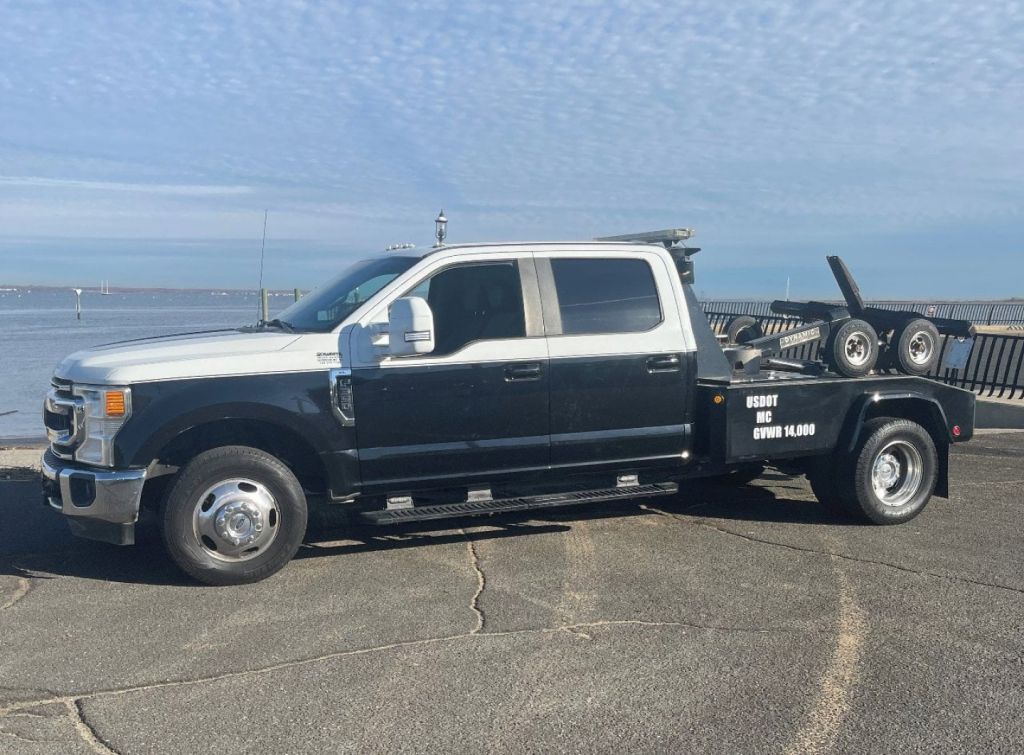
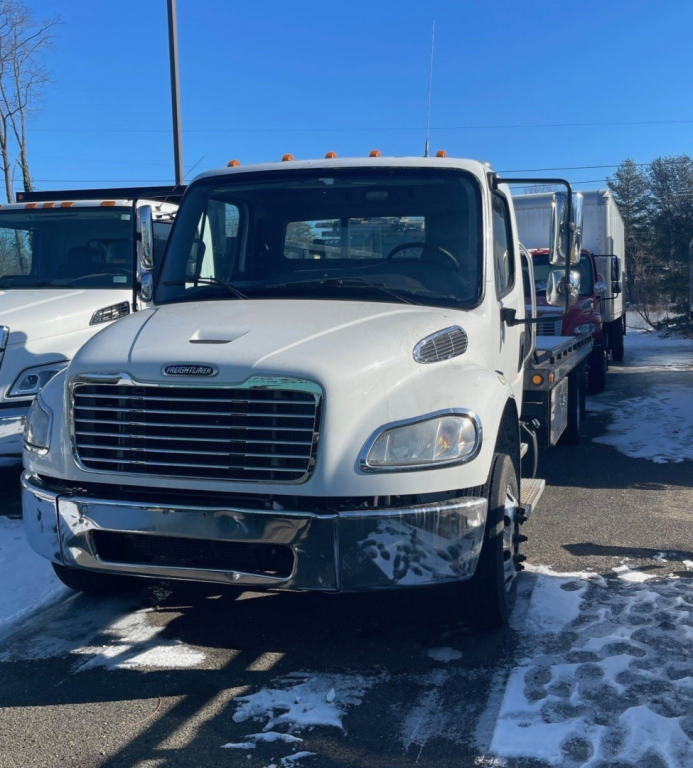
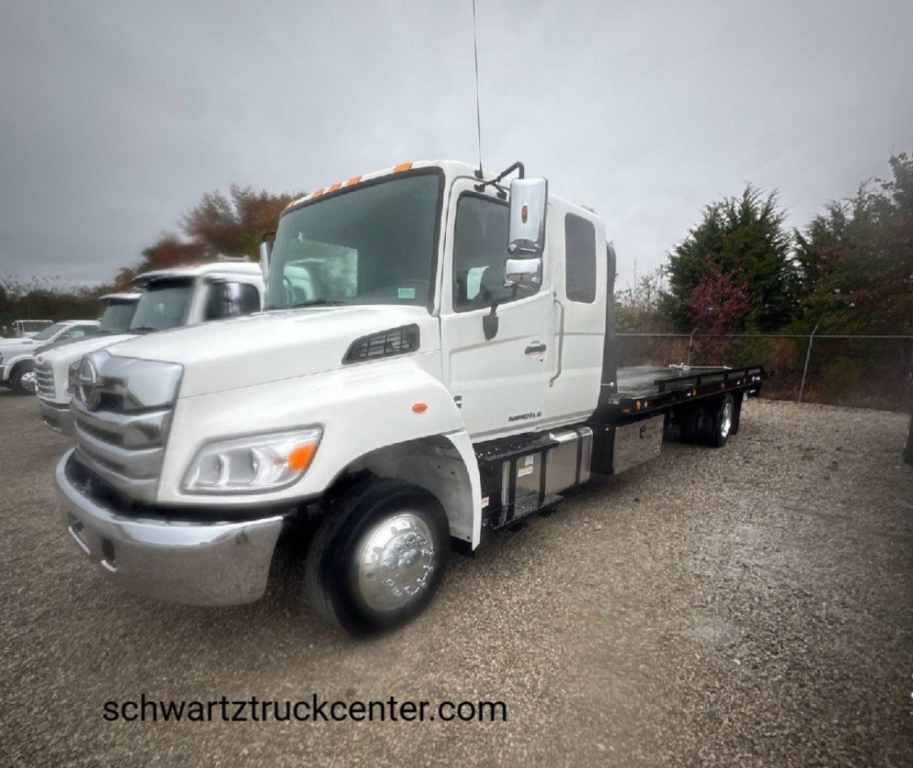
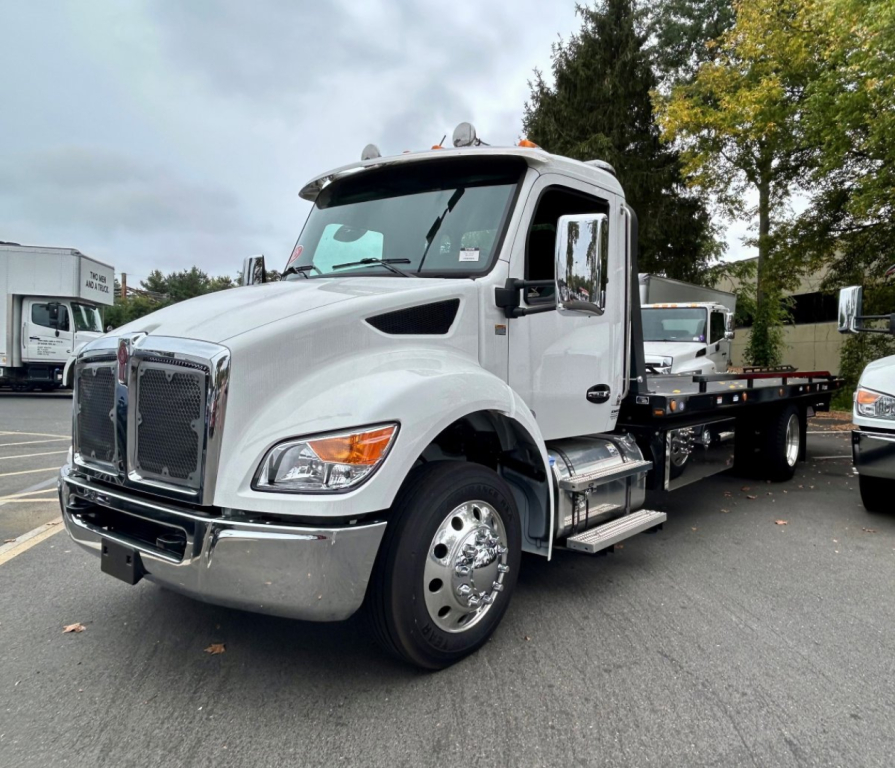
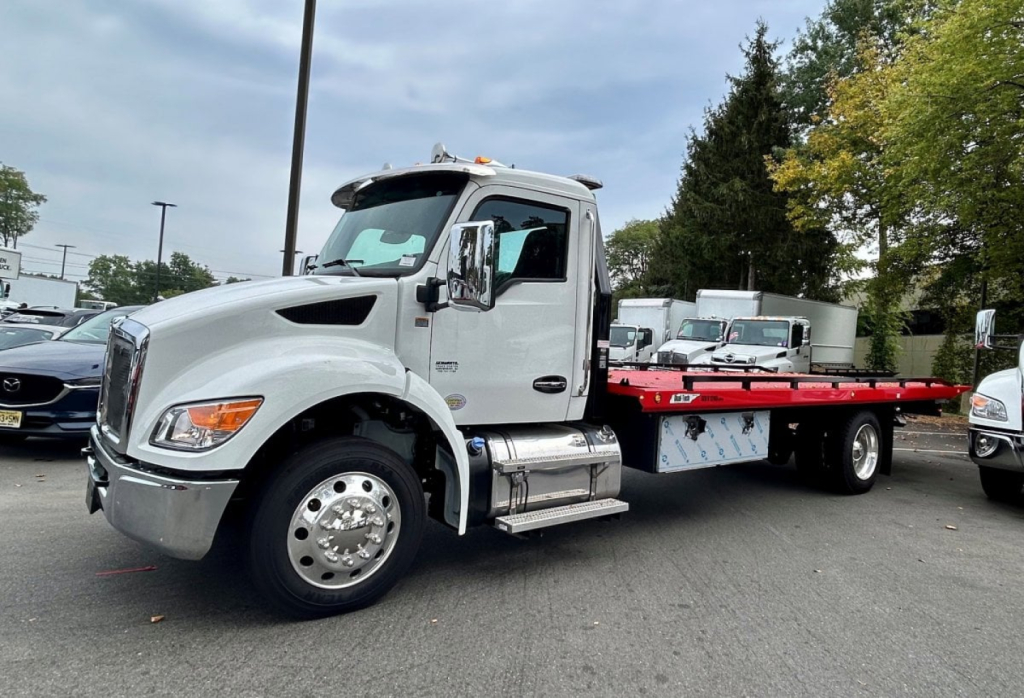
Have tow truck to sell? List it here to reach thousands of buyers.
About Tow Trucks in New Jersey
Capacity, GVWR, and chassis choice matter more than badge alone. Medium-duty rollback units are often built on Class 6 or Class 7 chassis in the 19,500 to 26,000 GVWR range, with diesel engines, automatic transmissions, and 21 to 22 foot beds being common. A 26,000 GVWR carrier can be attractive because it may fit certain operational and driver qualification needs while still offering solid payload for passenger vehicles, light trucks, and equipment. Buyers comparing wreckers should look closely at wheel-lift rating, boom rating, winch capacity, frame reinforcement, rear axle ratio, and suspension spec. On heavy units, front axle capacity, pusher or tag axle configuration, and counterweight design all affect stability and real-world recovery performance.
The body details determine how productive a tow truck will be on the street. On rollback carriers, pay attention to deck length and width, bed angle, approach angle, subframe design, tie-down points, and hydraulic system performance. On wreckers, common features include tunnel boxes, fork packages, sling options, dollies, work lights, and wireless winch controls. If the truck will spend time on highways like the Turnpike, Garden State Parkway, or in dense local traffic, visibility, wheelbase, turning radius, and lighting layout become important. Stainless steel hardware, corrosion protection, and clean wiring runs also matter in Northeast service where winter road salt can shorten body life.
Used tow trucks should be evaluated as both a truck and a piece of hydraulic equipment. Engine hours, PTO operation, winch function, cylinder condition, bed rails, crossmembers, boom structure, wheel-lift wear points, and signs of frame stress all deserve close inspection. On a carrier, uneven deck wear or slow slide function can point to heavy use or hydraulic issues. On a wrecker, missing forks, incomplete rigging, or worn underlift components can add significant replacement cost. The right tow truck is the one that matches your call mix, licensing requirements, and service area, with enough capacity and body durability to handle daily work without overbuying into a larger class than the business actually needs.
Frequently Asked Questions
What is the difference between a rollback tow truck and a wrecker?
A rollback tow truck uses a tilting, sliding bed to load the entire vehicle onto the deck. That makes it a strong choice for damaged vehicles, all-wheel-drive units, low-clearance cars, and equipment transport. A wrecker typically tows with a wheel-lift or underlift and is better suited to quick hook-ups, short tows, impounds, and recovery work where speed and maneuverability matter. Heavy wreckers are designed for commercial truck recovery and have much higher boom, winch, and underlift ratings than light-duty wreckers.
Is a 26,000 GVWR tow truck a good fit for light-duty towing?
A 26,000 GVWR tow truck is a common sweet spot for light-duty and medium-duty work because it offers useful carrying or towing capacity without stepping into a heavier chassis class. Many rollback carriers in this range can handle passenger vehicles, pickups, vans, and some small equipment. The actual payload still depends on body weight, wheelbase, axle ratings, and installed options, so buyers should verify the completed truck's ratings rather than relying only on the chassis spec.
What should I inspect first on a used tow truck?
Start with the hydraulic and recovery systems, then move to the chassis. Check PTO engagement, winch operation, hydraulic cylinders, hoses, bed or boom movement, wheel-lift wear, and any cracking or repairs on the body structure. After that, inspect engine condition, transmission operation, frame rails, suspension, brakes, tires, and electrical systems. Missing accessories such as forks, chains, dollies, or rigging can change the real purchase cost quickly, especially on a heavy wrecker.
What specs matter most on a heavy wrecker?
The most important heavy wrecker specs are underlift rating, boom rating, winch capacity, front and rear axle ratings, outrigger design, wheelbase, and overall chassis stability. These determine what the truck can safely recover and transport. Buyers should also look at transmission type, engine horsepower and torque, rear suspension, and whether the truck has the proper forks and rigging for the type of tractors, trailers, buses, or vocational trucks it will handle.
Are self-loader tow trucks practical for repo and parking enforcement work?
Yes. A self-loader is built for fast hook-and-go operation, which makes it practical for repossession, parking enforcement, and dense urban towing. The main advantages are speed, reduced operator effort, and the ability to work in tighter spaces than a rollback. The tradeoff is that a self-loader is not as versatile as a carrier for damaged vehicles, low-clearance units, or all-wheel-drive vehicles that should be fully loaded onto a deck.