
Hino Tow Trucks For Sale in New Jersey
Shop Hino tow trucks for sale, including rollback and carrier setups with diesel power, medium-duty specs, and non-CDL options.
Learn more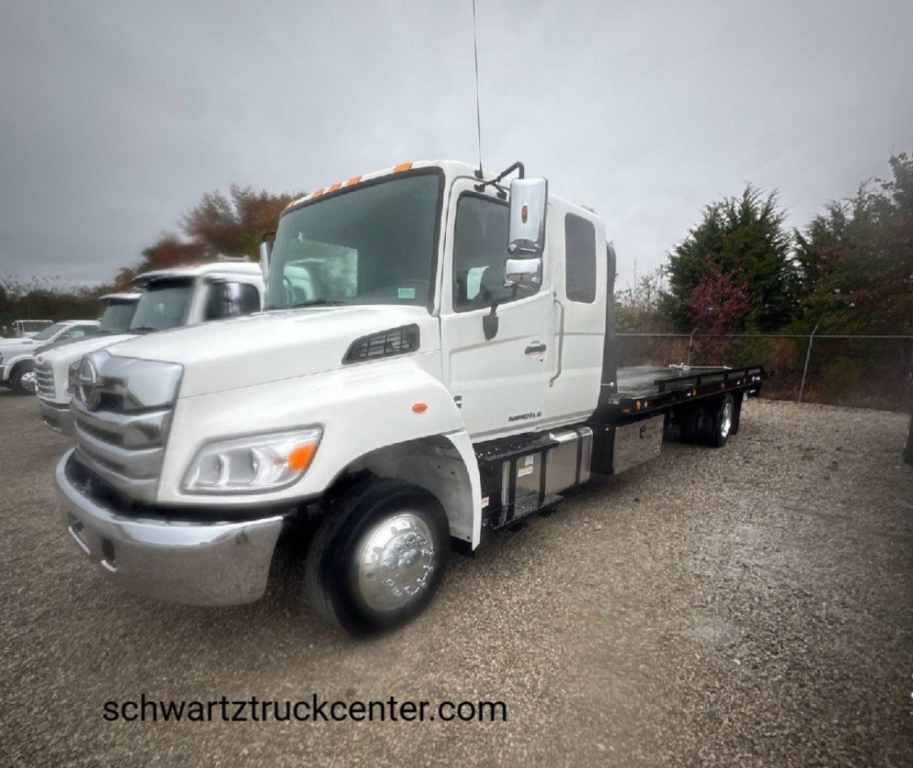
Have hino tow truck to sell? List it here to reach thousands of buyers.
About Hino Tow Trucks in New Jersey
On the chassis side, Hino tow trucks are typically powered by a 6-cylinder diesel in the medium-duty class, commonly paired with an Allison automatic transmission. Buyers should focus on GVWR, wheelbase, cab configuration, and body length first, because those choices determine what the truck can actually haul and how it will maneuver in tight New Jersey streets, service lanes, and impound lots. Extended cab layouts add room for straps, chains, and gear, while air brake versus hydraulic brake spec can affect maintenance practices, driver preference, and fleet standardization.
The body and recovery equipment deserve just as much attention as the chassis. A 21-foot to 22-foot rollback is a popular range for hauling passenger vehicles, light trucks, and small equipment. Look closely at deck rating, winch capacity, wheel-lift rating, tie-down points, and bed material. Steel decks tend to be durable and familiar in hard-use service, while aluminum can reduce curb weight and help preserve payload. Features like wireless remote controls, self-loading wheel-lifts, LED work lighting, underbody toolboxes, and adjustable tie-down systems can make a noticeable difference in daily productivity and driver safety.
For buyers comparing Hino tow trucks for sale, the right choice usually comes down to route profile and job mix. Local repossession, municipal support, dealer delivery, and general light-duty recovery all call for slightly different specs. Pay attention to front axle capacity, rear axle ratio, suspension setup, and frame strength, especially if the truck will see repeated loads near its rated limits. A well-matched Hino tow truck can offer a practical balance of operator comfort, serviceability, and medium-duty towing performance for regional fleets and independent operators alike.
Frequently Asked Questions
Are Hino tow trucks commonly available as non-CDL units?
Yes, many Hino tow trucks are built with a GVWR under 26,000 pounds, which can make them attractive for non-CDL applications. The exact legal requirement depends on total truck rating, body configuration, towed load, and state or federal rules. Buyers should verify the completed truck's GVWR, GCWR, and intended use before assuming non-CDL compliance.
What should I look for first when comparing Hino rollback tow trucks?
Start with GVWR, wheelbase, body length, and deck rating. Those specs determine legal capacity, vehicle fit, and how the truck performs in real service. After that, compare winch capacity, wheel-lift rating, storage layout, brake type, and cab style. A tow truck that looks similar on paper can be very different in usable payload and recovery capability once fully equipped.
What jobs are Hino tow trucks best suited for?
Hino tow trucks are commonly used for light-duty vehicle recovery, dealer transfers, auction transport, repossession work, municipal support, and general roadside service. They are well suited for passenger cars, SUVs, light pickups, and some small commercial vehicles, depending on the body and axle ratings. The best fit depends on how often the truck will carry versus tow, and the weight of the vehicles being moved.
Is a steel or aluminum rollback bed better on a Hino tow truck?
Steel beds are typically favored for durability and long-term toughness in heavy daily use. Aluminum beds reduce weight, which can improve payload margin and may help on trucks built to stay under non-CDL thresholds. The better choice depends on operating conditions, corrosion exposure, repair preferences, and how important curb weight is to your business model.
Why does wheelbase matter on a Hino tow truck chassis?
Wheelbase affects body fitment, deck length, turning radius, ride quality, and weight distribution. A truck that is too short for the intended body can limit fitment options, while a longer wheelbase can improve load placement but reduce maneuverability in dense urban areas. Matching wheelbase to rollback length and expected vehicle mix is one of the most important decisions in the buying process.