
New Isuzu Cab and Chassis Trucks For Sale in Washington
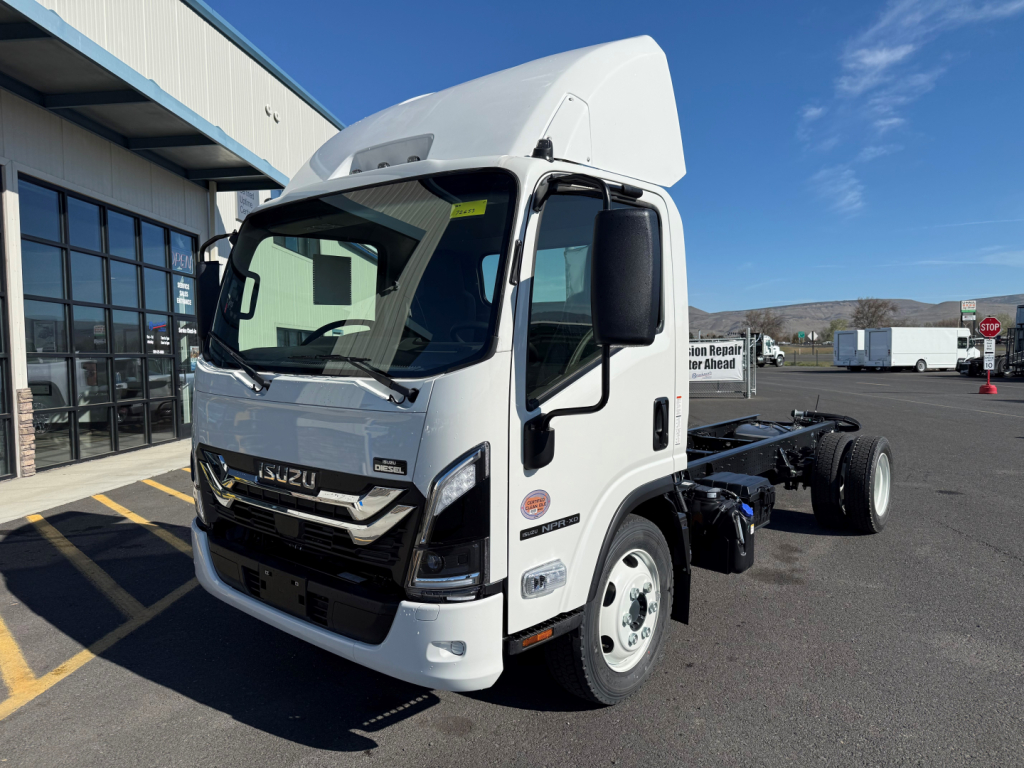
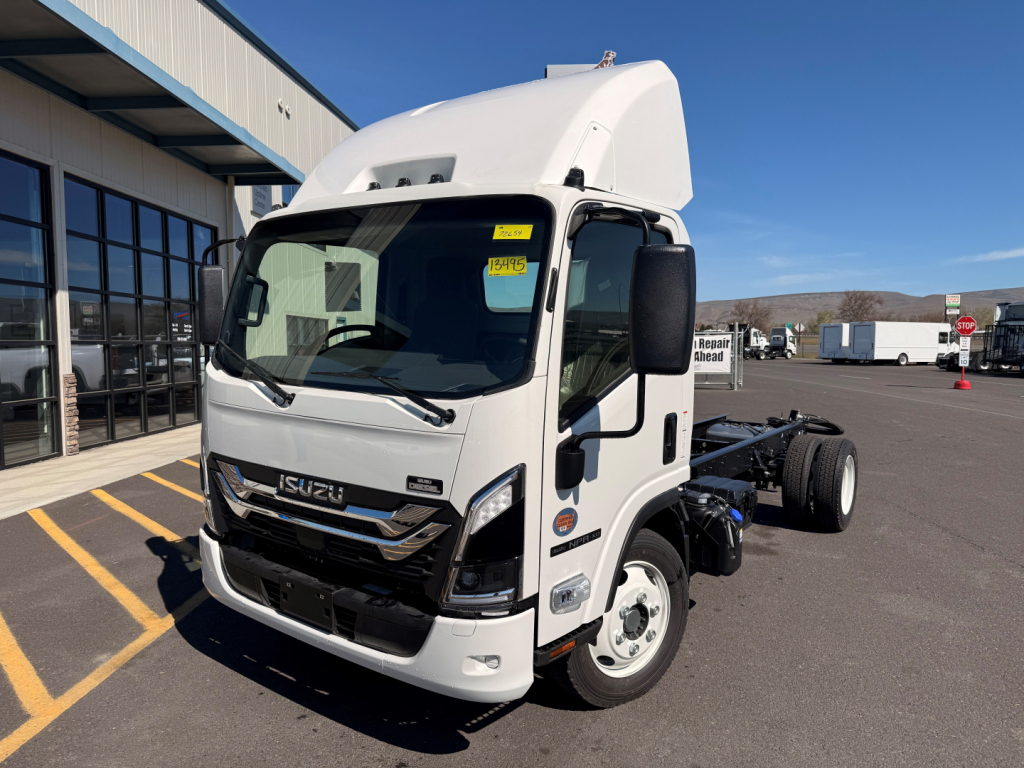
Shop new Isuzu cab and chassis trucks for sale in Washington. Low-cab-forward designs, diesel or gas power, and upfit-ready frames for many jobs.
Learn more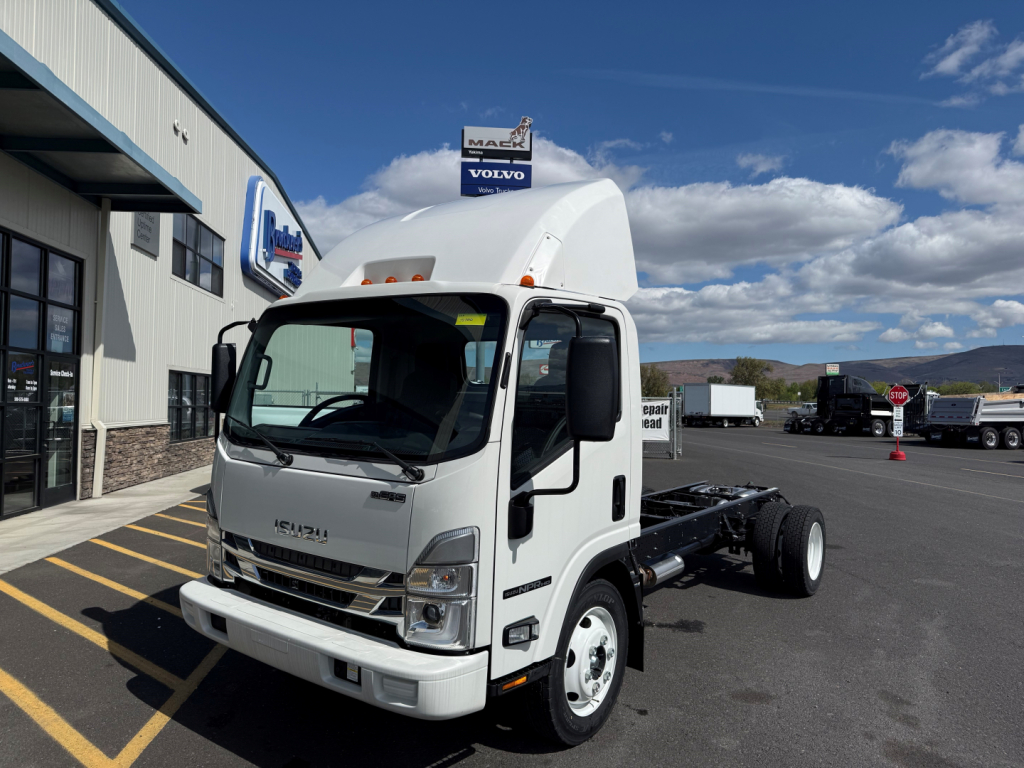
Have new isuzu cab and chassis truck to sell? List it here to reach thousands of buyers.
About New Isuzu Cab and Chassis Trucks in Washington
A buyer usually starts with GVWR, wheelbase, and powertrain. Common Isuzu cab and chassis configurations in this range include gas and diesel models such as the NPR series, often set up around 14,500 to 16,000 lb GVWR depending on model and spec. Diesel variants are popular when higher annual miles, fuel economy, and long service life are priorities, while gas models can be a strong fit for local routes with simpler maintenance needs and lower upfront cost. Wheelbase selection drives what body can be installed, with many medium-duty Isuzu chassis commonly accommodating box bodies, reefer bodies, landscape dumps, stake beds, utility bodies, and dry freight bodies in the 16 to 18 foot range. Frame strength, axle ratings, cab-to-axle measurement, and body-builder compatibility should all be confirmed before ordering an upfit.
Cab ergonomics and serviceability are also major reasons buyers stay with Isuzu. The tilt-cab layout gives technicians direct engine access, which can reduce downtime for routine maintenance and repairs. Inside the cab, the driving position is upright and visibility is wide, which helps on stop-and-go routes and in crowded loading areas. Many fleets also like Isuzu for its straightforward vocational adaptability. A clean chassis layout, commercial body mounting flexibility, and proven medium-duty driveline components make these trucks a practical base for bakery delivery, parcel work, beverage distribution, mobile service, and refrigerated delivery.
For Washington buyers, it is smart to match the truck to terrain, emissions requirements, and route density. A diesel cab and chassis may make more sense for higher payloads and longer distances across regional corridors, while a gas chassis can be efficient for local service work with frequent starts and stops. Pay close attention to payload after the body and equipment are installed, not just published chassis ratings. Body weight, liftgates, shelving, compressors, and refrigeration units can change the usable payload quickly. The best Isuzu cab and chassis truck is the one spec'd around the finished application, with enough capacity in reserve for real-world work cycles and long-term durability.
Frequently Asked Questions
What is an Isuzu cab and chassis truck used for?
An Isuzu cab and chassis truck is an incomplete truck built to receive a vocational body or equipment package. Common uses include box trucks, refrigerated delivery bodies, flatbeds, stake beds, utility service bodies, dump bodies, and specialty commercial upfits. Buyers choose this type of truck when they need a purpose-built vehicle instead of a factory-completed cargo body.
Should I choose a gas or diesel Isuzu cab and chassis?
The right choice depends on route length, annual miles, payload demands, and maintenance strategy. Gas Isuzu models are often attractive for local fleets that want lower initial cost and simpler operation. Diesel models are commonly preferred for higher mileage applications, heavier work cycles, and buyers focused on fuel efficiency and engine longevity over time.
What body length can an Isuzu NPR cab and chassis handle?
Body length depends on the exact wheelbase, cab-to-axle dimension, frame specification, and intended body type. Many Isuzu NPR and similar medium-duty chassis are commonly matched with 16 to 18 foot bodies, but the correct fit must be verified with the body builder. Axle placement, weight distribution, rear overhang, and final mounted equipment all affect the proper body length.
Why do buyers prefer Isuzu’s low-cab-forward design?
The low-cab-forward layout puts the driver farther ahead and shortens the truck’s overall footprint relative to usable body length. That usually improves maneuverability in alleys, loading zones, and city streets while also giving the driver a broader field of view. For delivery and service fleets making frequent stops, that design can improve productivity and reduce driver fatigue in tight operating environments.
What should I check before buying a new Isuzu cab and chassis for an upfit?
Start with GVWR, front and rear axle ratings, wheelbase, cab-to-axle measurement, and engine choice. Then verify the finished body weight, any liftgate or auxiliary equipment, fuel type, and expected payload so the completed truck stays within legal and practical limits. It is also important to confirm body-builder requirements, frame compatibility, and how the final truck will perform on the actual routes it will run in Washington.